
Horse Breed: Bavarian Warmblood
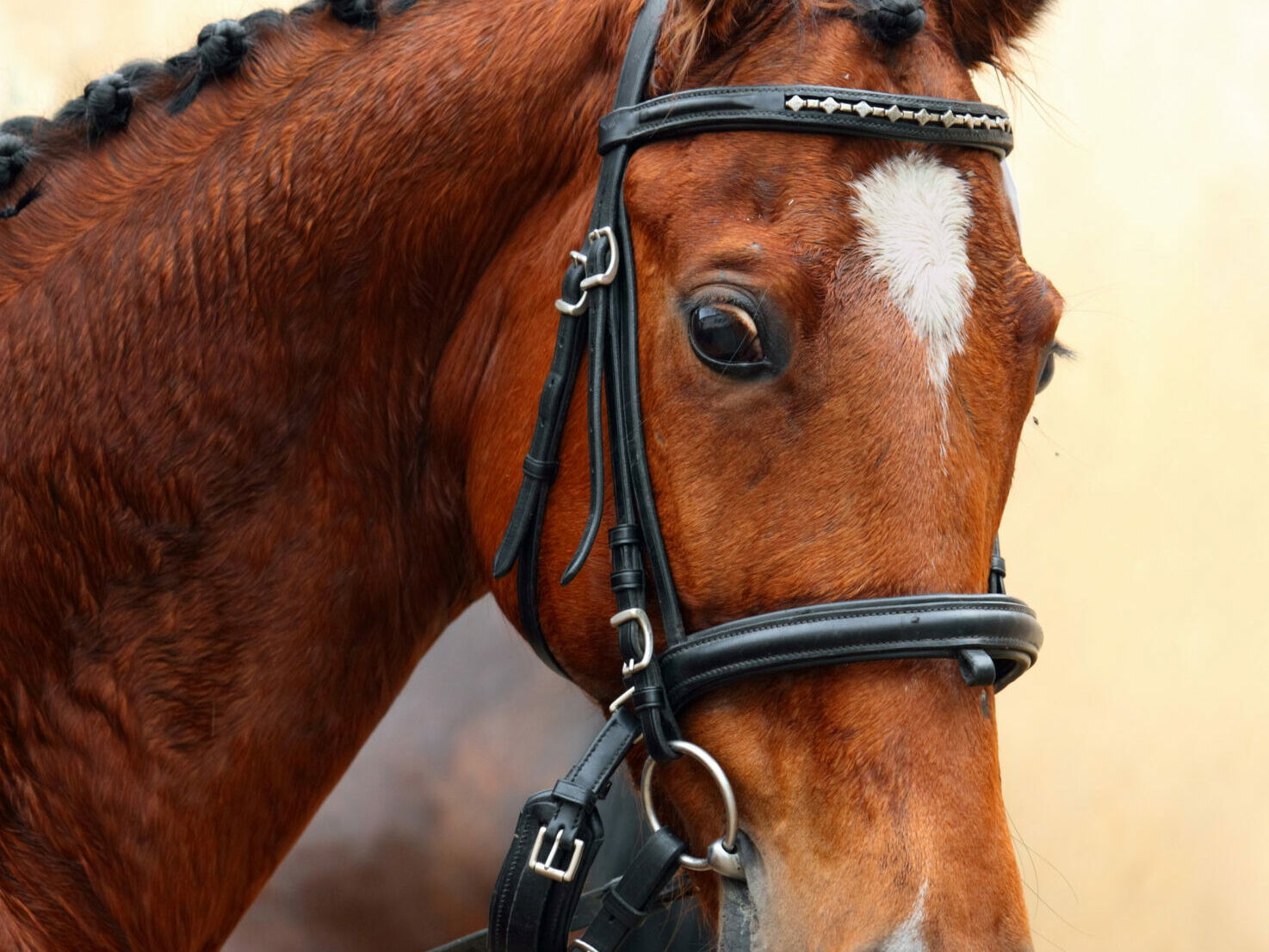
Name of breed: Bavarian Warmblood, or Bayerisches Warmblut
Country of origin: Germany
Breed origin: The Bavarian Warmblood developed from an ancient Bavarian breed called the Rottaler. The best Rottalers were calm, substantial, all-purpose horses used for everything from carriage driving to plowing to riding. A registry for Rottalers was founded in 1907, but when the breeding focus turned to competitive riding in 1963, they were renamed ‘Bavarian Warmbloods’. From the start, they have been developed as an Olympic-quality sport horse. To this end, the Rottaler bloodlines were mixed with those of the Hanoverian, Holsteiner, Rhinelander, Westphalian, Württemberger, Saxony-Thuringian Warmblood, Trakehner, Oldenburg, Cleveland Bay, Norman, Budyonny, Dutch Warmblood and Thoroughbred. The studbook is still open today, although careful breeding regulations ensure that pure Bavarian Warmblood stallions make up no less than 42% of the total breeding roster, and the Hosteiner (the oldest warmblood breed) contributes a further 42%. The breed is highly valued thanks to its incredible talent for eventing, show jumping and dressage. This was never clearer than in 1997, when a stallion called Lord Sinclair was sold for a total of 2.8 million francs in a German auction, making him the most expensive horse on earth at the time!
Distinguishing features: Bavarian Warmbloods have typical sport horse conformation, with a clean, dry head and limbs and an overall appearance of refinement and athleticism. They typically stand between 15.2 and 16.2 hands high, and all colours are permitted, although darker, solid colours are preferred. Unlike breeds with a closed studbook, the Bavarian Warmblood doesn’t have one set ‘type’; athletic ability and temperament, rather than a specific appearance, are the breeding aims. Bavarian Warmbloods are branded on their left thigh with a crowned shield outside the letter B. Their gaits are rhythmic and energetic, with a long, elastic stride. They are excellent jumpers and also have the natural self-carriage required of a dressage horse. They are docile, willing, adaptable and intelligent.
Modern day Bavarian Warmblood: The Bavarian Warmblood is seen competing internationally in the Olympic disciplines of dressage, show jumping and eventing. The breed is also a popular choice for combined driving and show hunting.
References: Wikipedia, Horse Breeds Pictures.
Image credits: feature image by Jacques Bopp on Unsplash, preview image by horsemen/Shutterstock.com.
Discover more
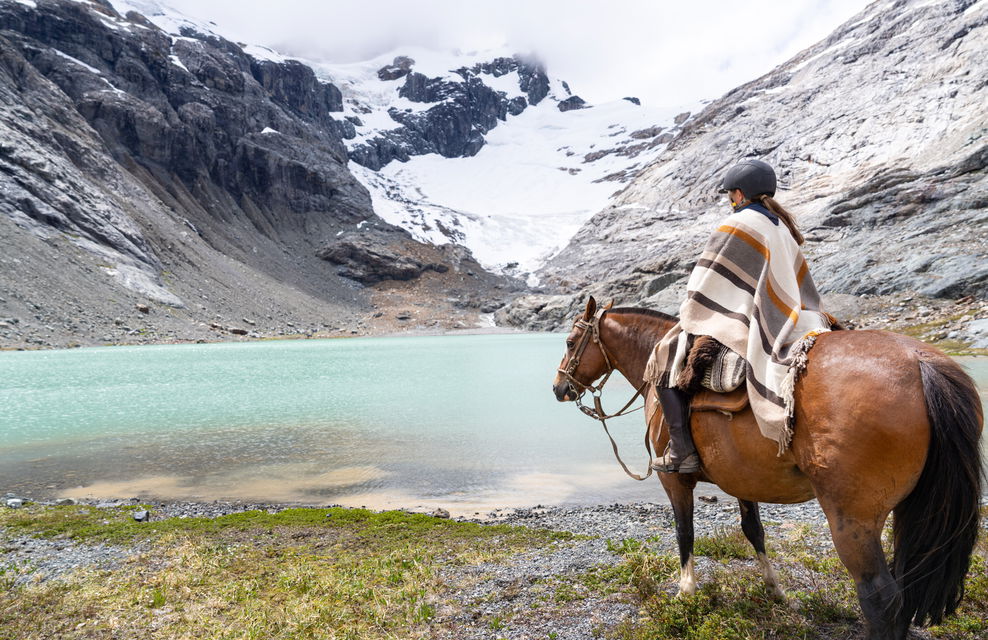
Why We Love Riding in Ponchos | Horse Riding Holidays
Have you ever ridden in a poncho? When I visit a new country I try to immerse myself in the horse culture choosing to ride in the traditional tack (even if a English saddle is available) and dress in the clothing that is inherent to that region. It makes sense that the horsemen have perfected their…
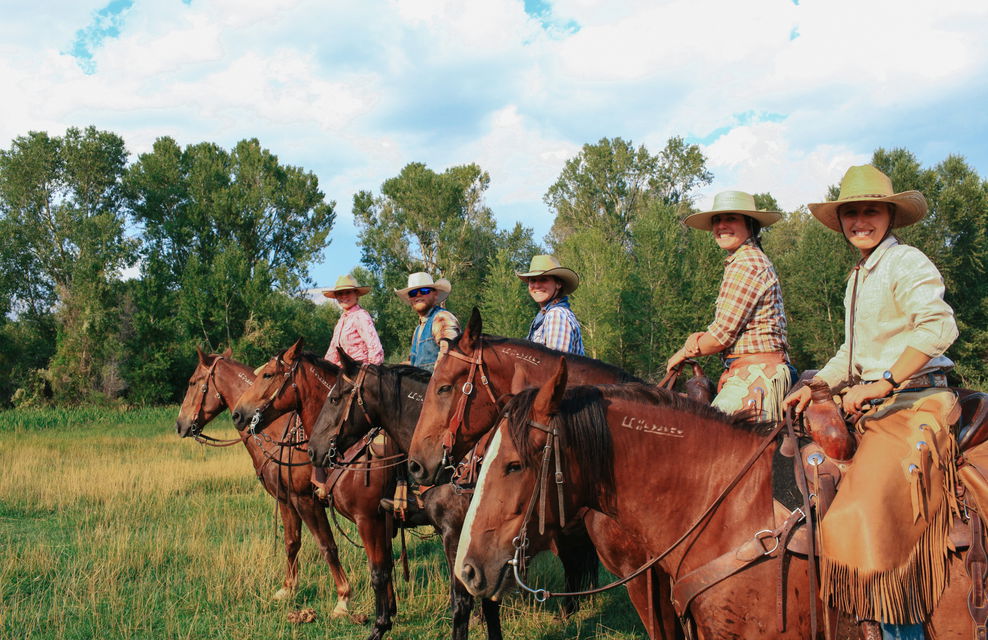
Horse Breed: Mustang
Few horses capture the spirit of the American West quite like the American Mustang. Descended from Spanish horses and shaped by life on the open range, the Mustang is known for its intelligence, stamina, and sure-footed nature. While often associated with wild herds roaming the western plains, these remarkable horses also make exceptional partners on…
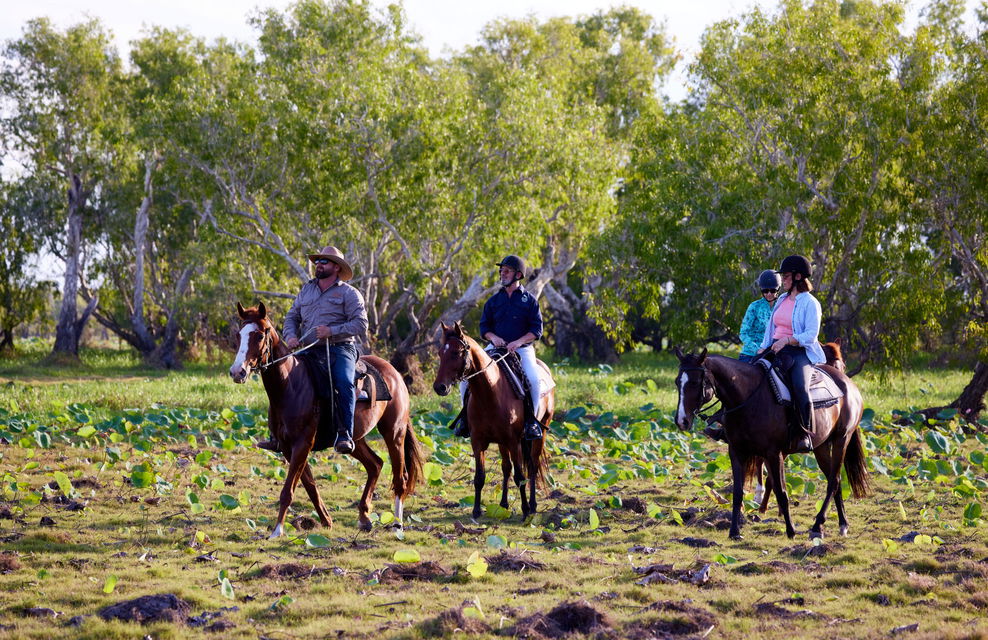
Horse Breed: Australian Stock Horse
Name of breed: Australian Stock Horse Country of origin: Australia Breed origin: The roots of the Australian Stock Horse date back to the arrival of the First Fleet in 1788, which brought nine horses of Thoroughbred and Spanish blood to the continent. These were shortly followed by more importations of Thoroughbreds, Arabians, Welsh Mountain Ponies…
