
Horse Breed: Exmoor Pony
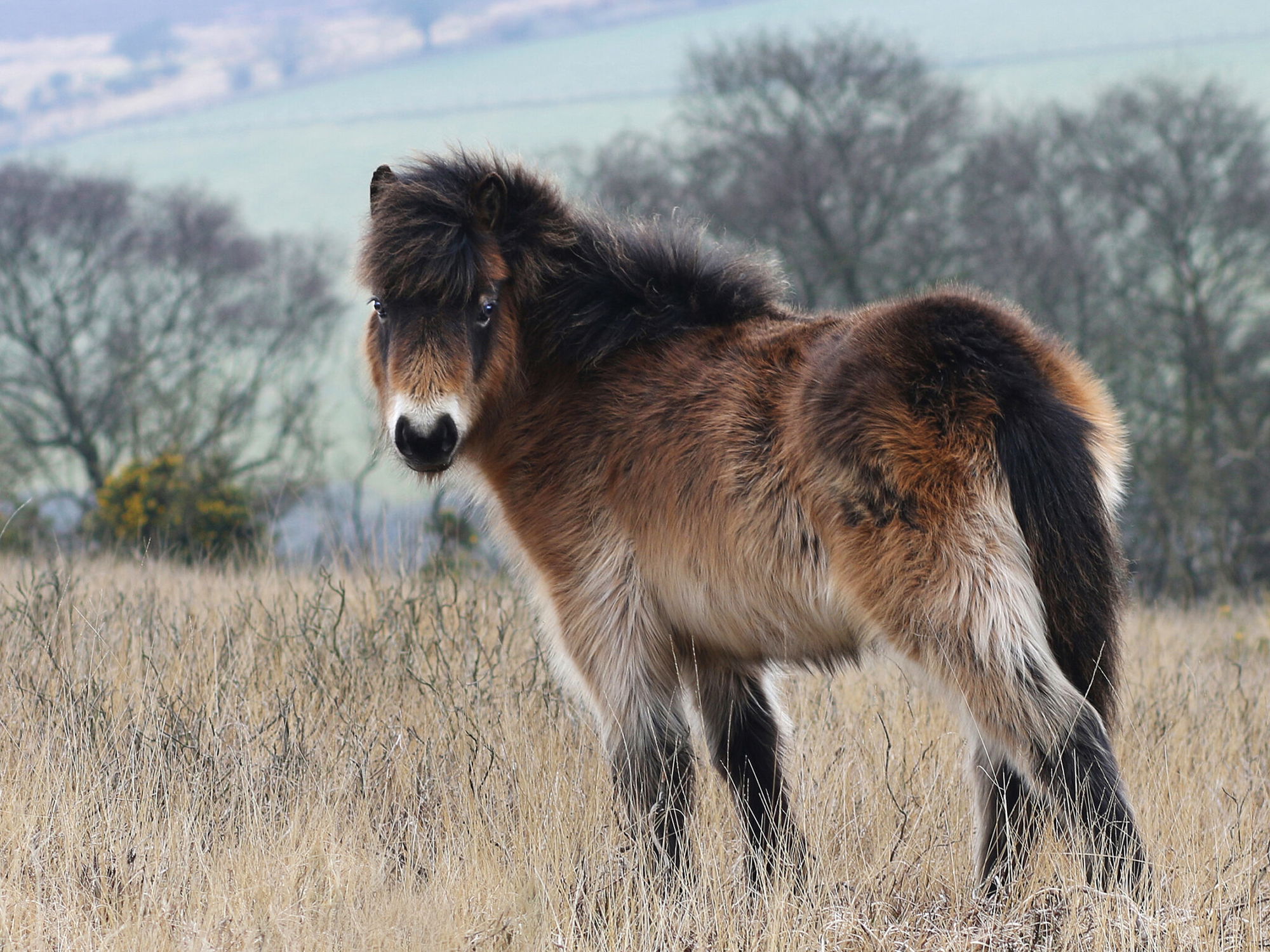
Name of breed: Exmoor Pony (also known as the Celtic pony)
Country of origin: United Kingdom
Breed origin: Horses have been present in Britain since 700,000 BC and fossil remains have been found in the area of Exmoor dating back to about 50,000 BC. Some people claim the Exmoor pony has been purebred since the last Ice Age, while others claim this is unsupported by modern DNA research. However, the breed bears a close resemblance to the primitive wild horse.
The Domesday Book records ponies on Exmoor in 1086, and descendants of ponies removed from the moor in 1818 form the foundation bloodstock of today’s Exmoor pony. The breed nearly became extinct after WWII due to soldiers using them for target practice and others killing them for meat.
Distinguishing features: Exmoor ponies are usually a dark bay or ‘brown’ colour with markings around the eyes, muzzle, flanks and underbelly. They usually stand between 11.1 to 12.3 hands high, but some have been known to reach 13.2hh. With a stocky, powerful build, the Exmoor pony is strong for its height and known for its hardiness and endurance. They have a deep chest and broad back, short legs and hard hooves. Exmoor ponies’ heads are somewhat larger than the proportion of their bodies, and have a unique feature called a ‘toad eye’ caused by extra fleshiness of the eyelids, which helps to deflect water and provide extra insulation.
To survive the cold winters in the UK, the Exmoor grows a winter coat consisting of a highly insulating woolly underlayer and a topcoat of longer, oily hairs that prevent the undercoat from becoming waterlogged by diverting water down the sides of their bodies to fall from just a few drip areas. The dock of their tail has coarse hairs, called a ‘frost cap’, that deflects rainwater away from the groin and underbelly areas to fall from the long hairs on the back of the hind legs.
Modern day Exmoor pony: Exmoor ponies are used for a variety of equestrian activities including showing, long distance riding, driving and agility. The breed’s hardiness makes it suitable for conservation grazing, and it contributes to the management of many natural pasture habitats and grasslands. In January 2015, a heard of 14 Exmoors from Exmoor National Park were moved to the former military base of Milovice, Czech Republic, in an effort to save biodiversity.
Reference: Wikipedia
Image credits: feature image by Rebekka D on Pixabay, preview image by Paul Steven/Shutterstock.com.
Discover more
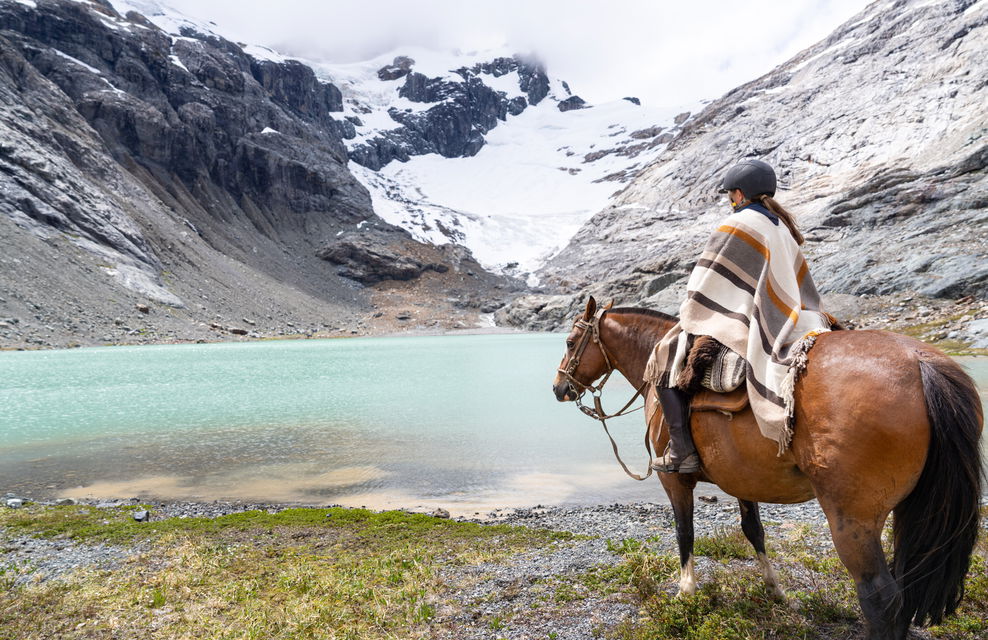
Why We Love Riding in Ponchos | Horse Riding Holidays
Have you ever ridden in a poncho? When I visit a new country I try to immerse myself in the horse culture choosing to ride in the traditional tack (even if a English saddle is available) and dress in the clothing that is inherent to that region. It makes sense that the horsemen have perfected their…
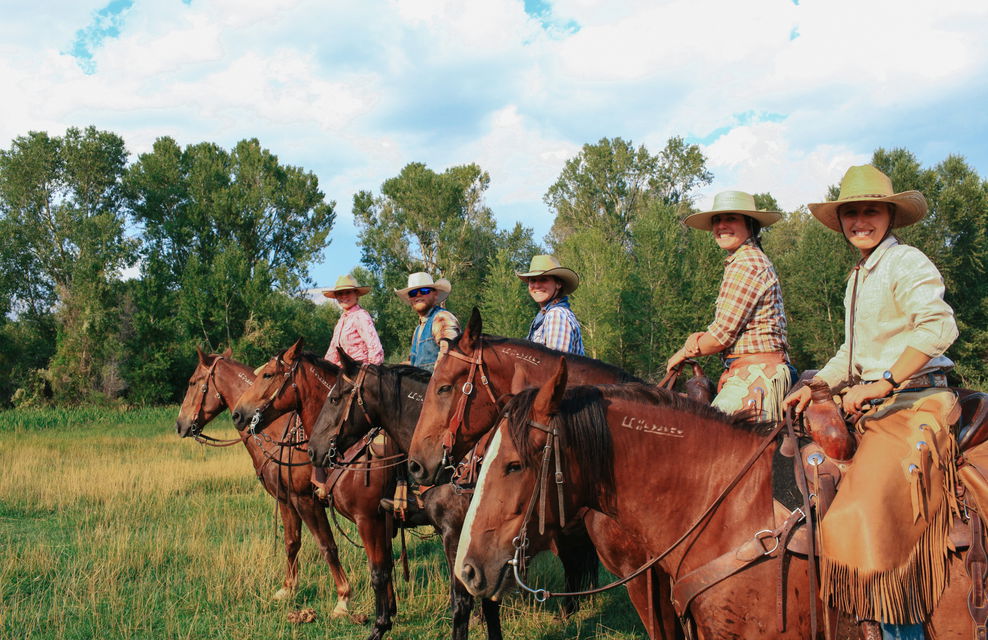
Horse Breed: Mustang
Few horses capture the spirit of the American West quite like the American Mustang. Descended from Spanish horses and shaped by life on the open range, the Mustang is known for its intelligence, stamina, and sure-footed nature. While often associated with wild herds roaming the western plains, these remarkable horses also make exceptional partners on…
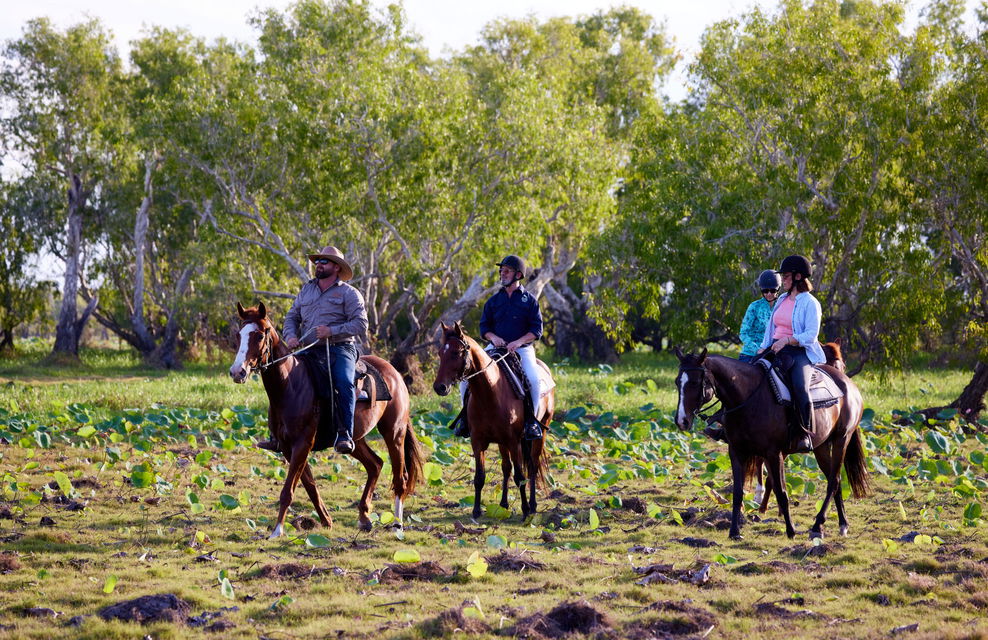
Horse Breed: Australian Stock Horse
Name of breed: Australian Stock Horse Country of origin: Australia Breed origin: The roots of the Australian Stock Horse date back to the arrival of the First Fleet in 1788, which brought nine horses of Thoroughbred and Spanish blood to the continent. These were shortly followed by more importations of Thoroughbreds, Arabians, Welsh Mountain Ponies…
