
Horse Breed: Morgan
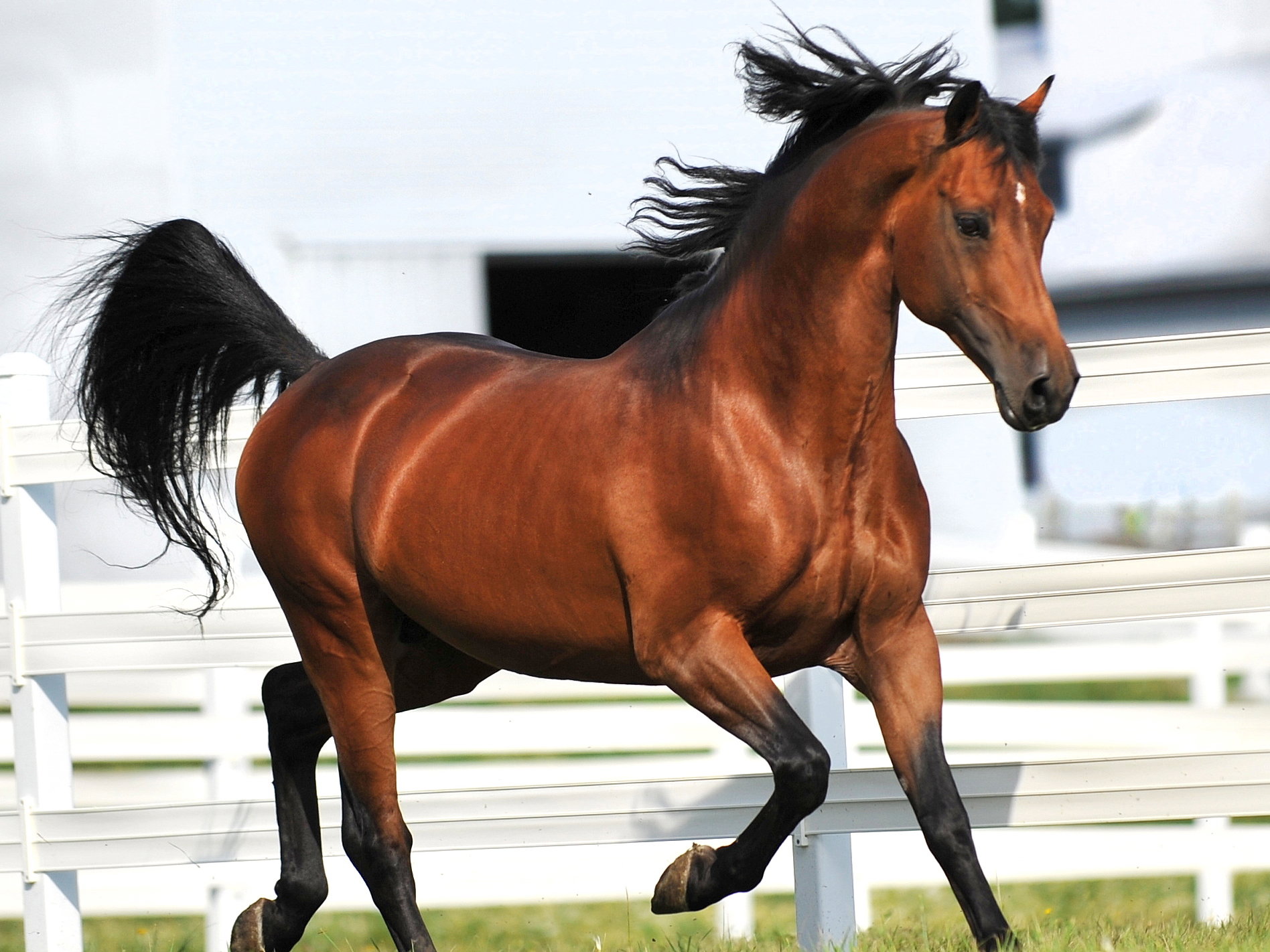
Name of breed: Morgan
Country of origin: United States of America.
Breed origin: All Morgan horses trace back to a single foundation sire, a stallion named Figure, who was born in Massachusetts in 1789. As a three year old, Figure was given to a man named Justin Morgan as payment for a debt. A dark bay with a shapely head, prominent eyes, a deep and compact body, slender, straight legs, sloping shoulders and a proud bearing, Figure is believed to have carried Thoroughbred and Arabian bloodlines, though he stood just 14 hands high. He was symmetrical, stylish, smooth to ride, and could put on incredible bursts of speed. He was used for everything from racing to parades to pulling to driving. Figure later came to be identified by the name of his owner, and the ‘Justin Morgan horse’ evolved into the Morgan horse breed as his offspring inherited his conformation, athleticism and temperament.
During the 19th century, Morgans were used extensively for harness racing and pulling coaches, due to their speed and endurance. They were also used for farm work, cattle work, general riding and east-west migration. The Morgan was indispensable to miners in the California Gold Rush, along with both the Northern and Southern armies during the American Civil War. The most famous of these was Stonewall Jackson’s Morgan, Little Sorrel, who possessed such endurance that he could march 40 miles a day without tiring.
Around the beginning of the 20th century, purebred Morgans fell out of fashion as the practicalities on which they had been developed began to be less vital to everyday life and taller, more slender horses became desirable. Morgan horses were still used as foundation stock for developing breeds, but little care was given to ensure the survival of the original Morgan breed. Recognising the risk that the breed would die out, leaving military stocks severely depleted and degraded, the U.S. government founded a Morgan breeding programme, the core of which was the U.S. Morgan Horse Farm. The programme aimed to produce sound, well-mannered, sturdy and versatile horses, and in doing so saved the Morgan breed. In the 1940s, the government considered its job done and the breeding stock was dispersed around the U.S.
Today, there are four main bloodlines within the Morgan breed. The Brunk family traces back to Illinois and is known for its soundness and athleticism; the Government family comes from the U.S. Morgan Horse Farm and is the largest; the Lippitt family owes its existence to Robert Lippitt Knight and is considered the purest line; and the Western Working family is especially adept at stock and cattle work.
Distinguishing features: Morgan horses are strong, agile and powerful, with incredible stamina. They have an expressive head with small ears, large eyes and a small muzzle. Their neck is well-arched and held high, leading to sloping shoulders and well-defined withers. They have a short back, well-sprung ribs, muscular chest and hindquarters, strong legs and a high-set, flowing tail. Many colours can be seen, including almost all solid colours, sabino, frame overo and splashed white. Bay, chestnut and black are the most common. Morgan horses usually stand between 14.2 and 15.2 hands high, although some individuals are taller or shorter than this. Some Morgans are gaited, meaning they can perform another intermediate-speed gait as well as the trot, such as the rack, fox trot, or pace. Regardless, they are known for their very comfortable yet flashy action. Morgans have a reputation for intelligence, courage and gentleness.
Modern day Morgan: Today, there are around 180,000 Morgan horses worldwide, with the majority in the U.S. The Morgan breed has influenced countless others, including the Hackney, Tennessee Walking Horse, American Saddlebred, Spotted Saddle Horse, Missouri Fox Trotter, Camarillo, Blazer and the Standardbred. Due to their versatility, Morgans are used for a variety of disciplines including dressage, show jumping, cutting, endurance riding, Western pleasure, driving and pleasure riding. They are frequently seen in driving competitions and were the first American breed to compete in the World Pairs Driving competition. Their gentle disposition also sees them used in therapeutic riding programs and as pony club mounts.
References: Wikipedia, Wide Open Pets, Horsy Land, Morgan Horse Association of Australia.
Image credits: feature image by Lisa Kolbenschlag/Shutterstock.com, preview image by Christopher Crosby Morris/Shutterstock.com.
Discover more
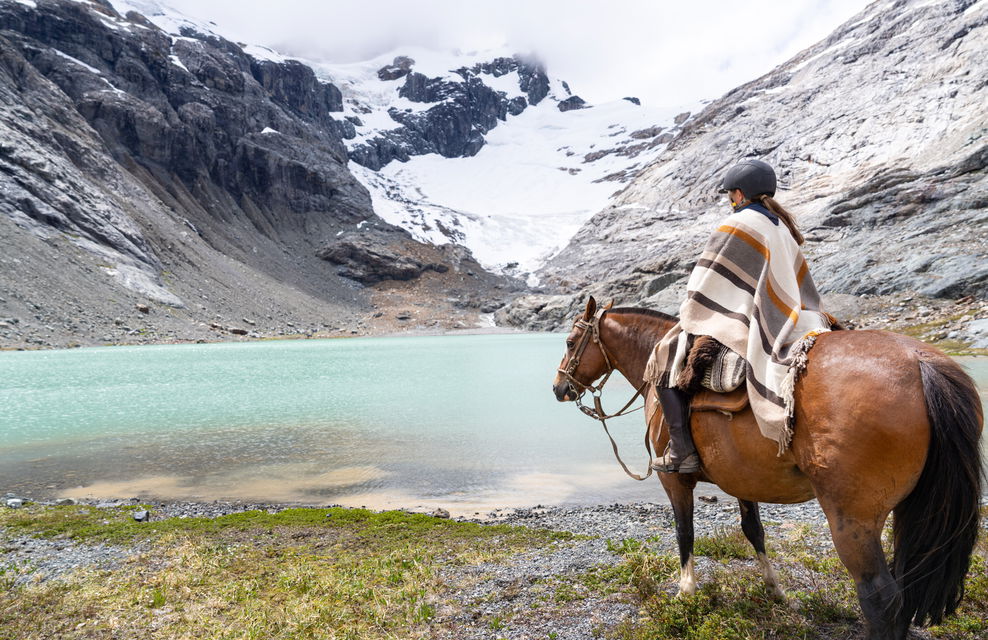
Why We Love Riding in Ponchos | Horse Riding Holidays
Have you ever ridden in a poncho? When I visit a new country I try to immerse myself in the horse culture choosing to ride in the traditional tack (even if a English saddle is available) and dress in the clothing that is inherent to that region. It makes sense that the horsemen have perfected their…
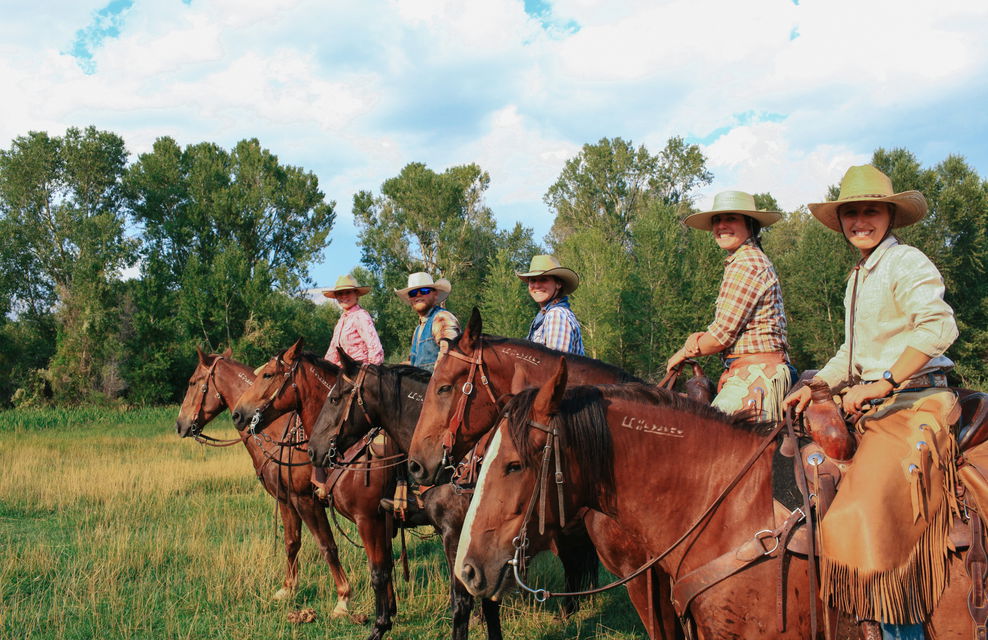
Horse Breed: Mustang
Few horses capture the spirit of the American West quite like the American Mustang. Descended from Spanish horses and shaped by life on the open range, the Mustang is known for its intelligence, stamina, and sure-footed nature. While often associated with wild herds roaming the western plains, these remarkable horses also make exceptional partners on…
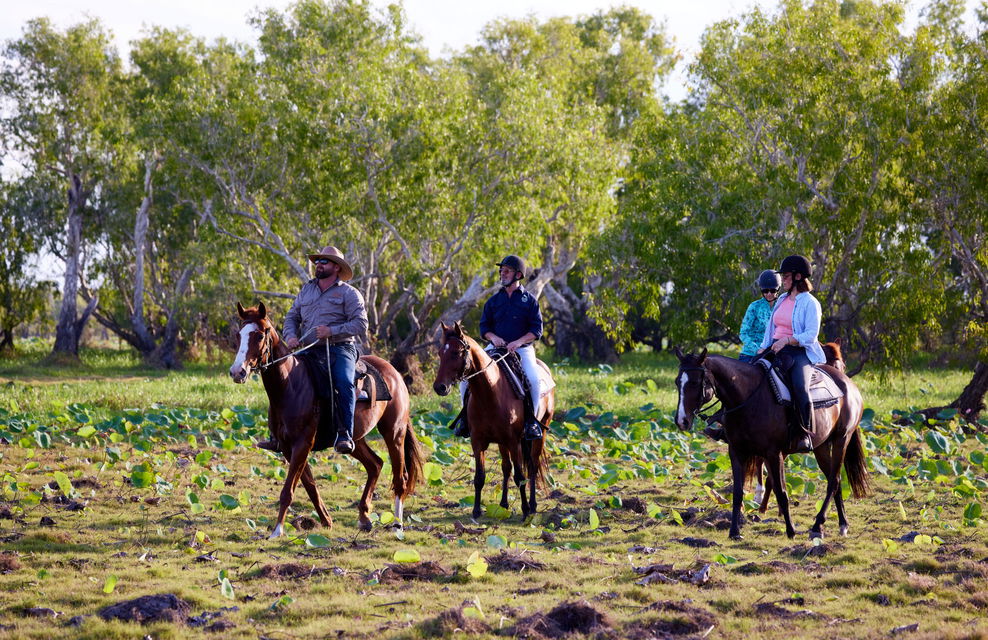
Horse Breed: Australian Stock Horse
Name of breed: Australian Stock Horse Country of origin: Australia Breed origin: The roots of the Australian Stock Horse date back to the arrival of the First Fleet in 1788, which brought nine horses of Thoroughbred and Spanish blood to the continent. These were shortly followed by more importations of Thoroughbreds, Arabians, Welsh Mountain Ponies…
