
Horse Breed: Shetland Pony
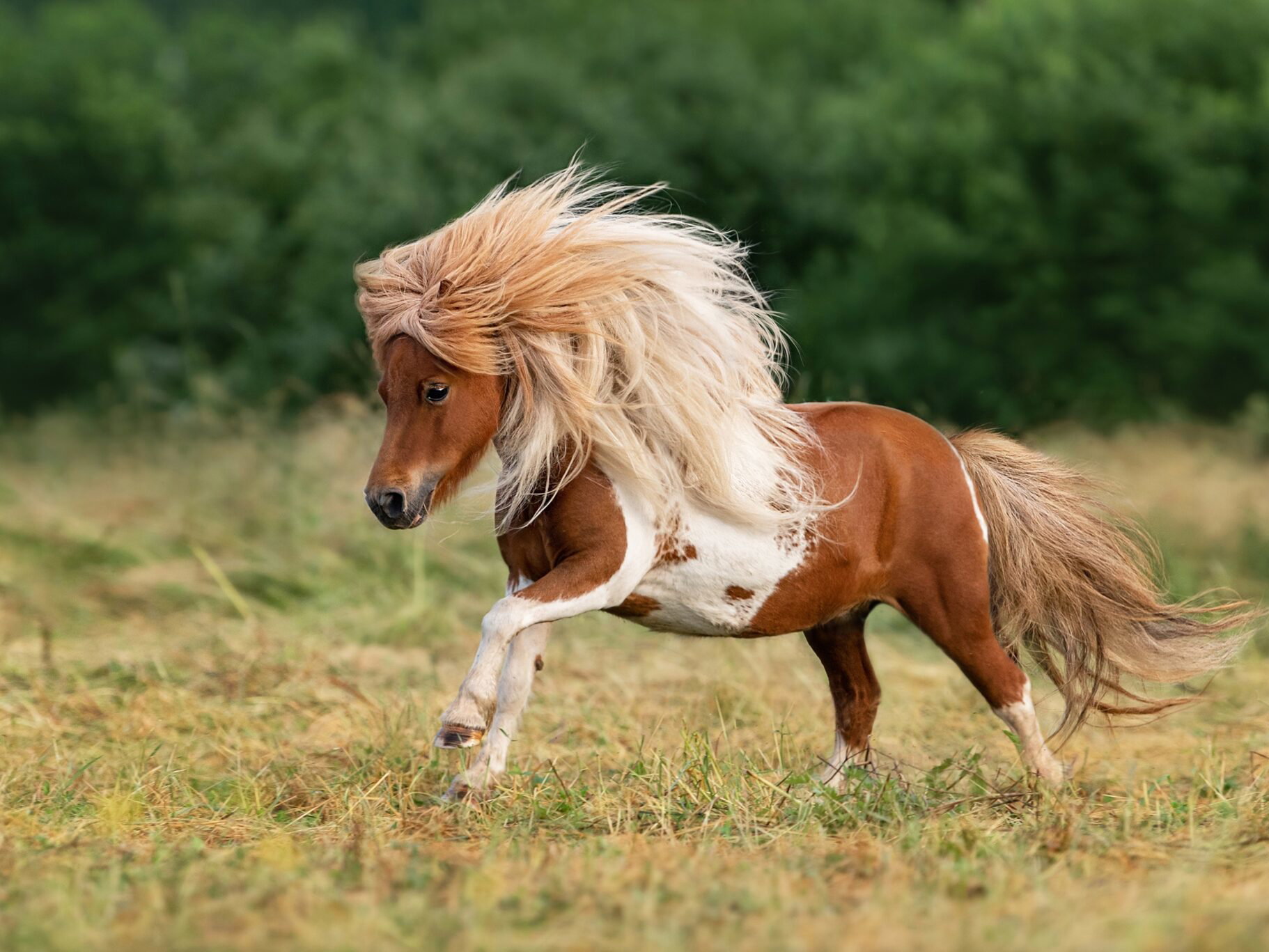
Name of breed: Shetland Pony
Country of origin: Shetland Isles, Scotland
Breed origin: Shetland ponies originated in the Shetland Isles, northeast of mainland Scotland. Small horses have been kept on the Shetland Isles since the Bronze Age. People who lived on the islands probably later crossed the native stock with ponies imported by Norse settlers. Shetland ponies also were probably influenced by the Celtic Pony, brought to the islands by settlers between 2000 and 1000 BCE. The harsh climate and scarce food developed the ponies into extremely hardy animals.
Shetland ponies were first used for pulling carts, carrying peat, coal and other items, and plowing farm land. Then, as the Industrial Revolution increased the need for coal in the mid-19th century, thousands of Shetland ponies traveled to mainland Britain to be pit ponies, working underground hauling coal, often for their entire (often short) lives. Coal mines in the eastern United States also imported some of these animals. The last pony mine in the United States closed in 1971.
Distinguishing features: Shetlands range in size from a minimum height of approximately 7 hands to an official maximum height of 11 hands. Shetland ponies have heavy coats, short legs and are considered quite intelligent. They are a very strong breed of pony, used for riding, driving, and pack purposes. Shetland Ponies are hardy and strong, in part because the breed developed in the harsh conditions of the Shetland Isles – pictured below, a pony in his full winter woollies on his native isle.
In appearance, Shetlands have small heads, sometimes with dished faces, widely spaced eyes and small and alert ears. The original breed has a short, muscular neck; a compact, stocky body; short, strong legs; and a shorter-than-normal cannon bone in relation to its size. A short broad back and deep girth are universal characteristics, as is a springy stride. Shetlands have long, thick manes and tails and dense double winter coats to withstand harsh weather.
Shetland ponies are generally gentle, good-tempered, and very intelligent by nature. They make good children’s ponies, and are sometimes noted for having a brave character. However, they can also be very opinionated and cheeky, and due in part to their intelligence and size, they are easily spoiled and can be very headstrong if not well-trained.
Modern day Shetland pony: Today, Shetland ponies are ridden by children at horse shows, in riding schools and for pleasure, and are shown by both children and adults in harness driving classes as well as for pleasure driving outside of the show ring. They are seen working in commercial settings such as fairs or carnivals to provide short rides for visitors. They are also seen at petting zoos and sometimes are used for therapeutic horseback riding purposes. In the United Kingdom, Shetlands are also featured in the Shetland Pony Grand National, galloping around a racecourse with young jockeys.
References: Wikipedia, Australian Pony Stud Book Society.
Photo Credit: Rita Kochmarjova via Shutterstock
Discover more
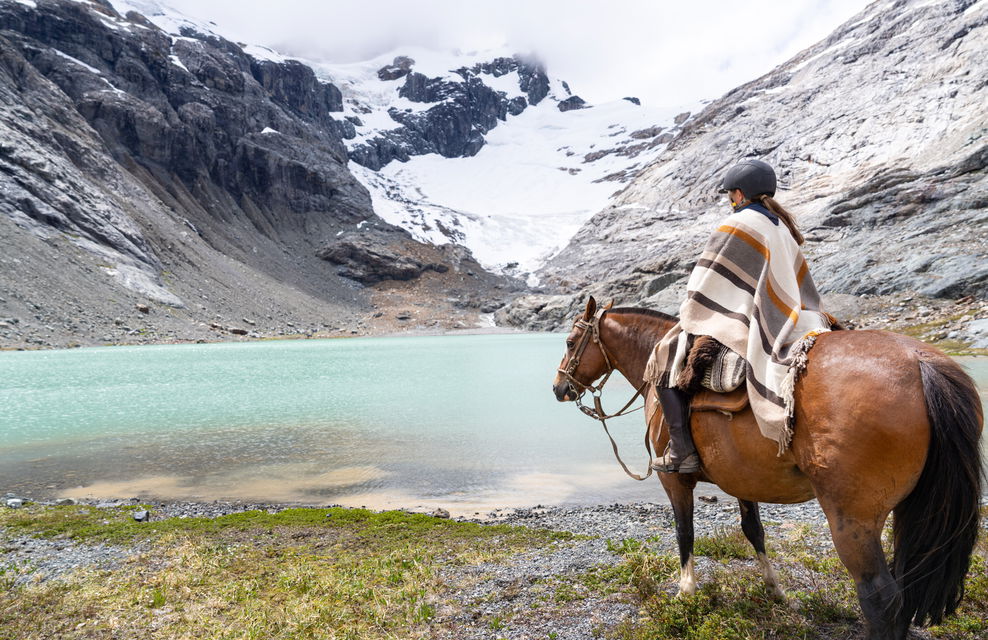
Why We Love Riding in Ponchos | Horse Riding Holidays
Have you ever ridden in a poncho? When I visit a new country I try to immerse myself in the horse culture choosing to ride in the traditional tack (even if a English saddle is available) and dress in the clothing that is inherent to that region. It makes sense that the horsemen have perfected their…
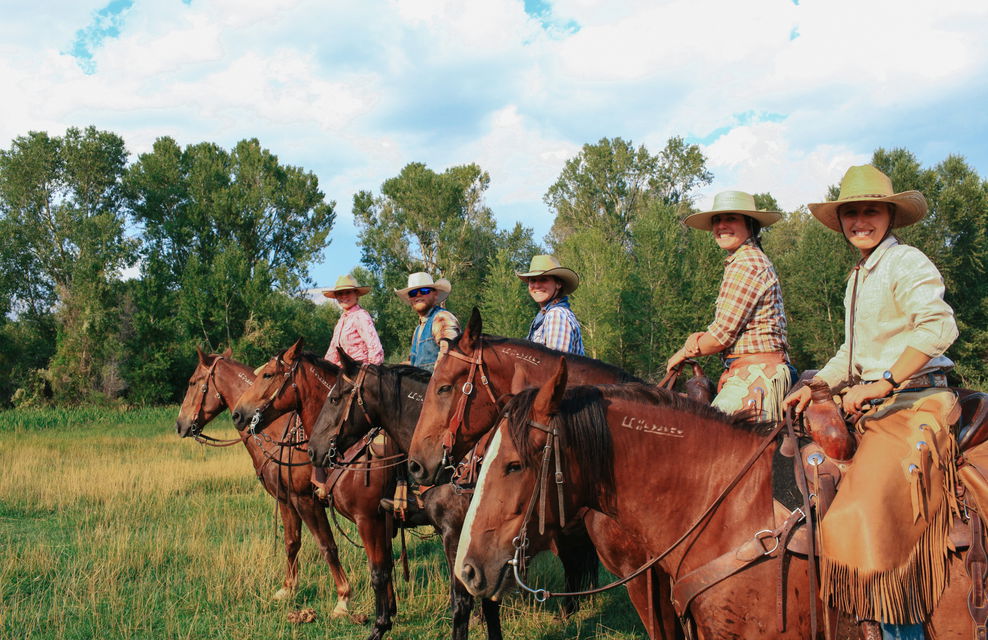
Horse Breed: Mustang
Few horses capture the spirit of the American West quite like the American Mustang. Descended from Spanish horses and shaped by life on the open range, the Mustang is known for its intelligence, stamina, and sure-footed nature. While often associated with wild herds roaming the western plains, these remarkable horses also make exceptional partners on…
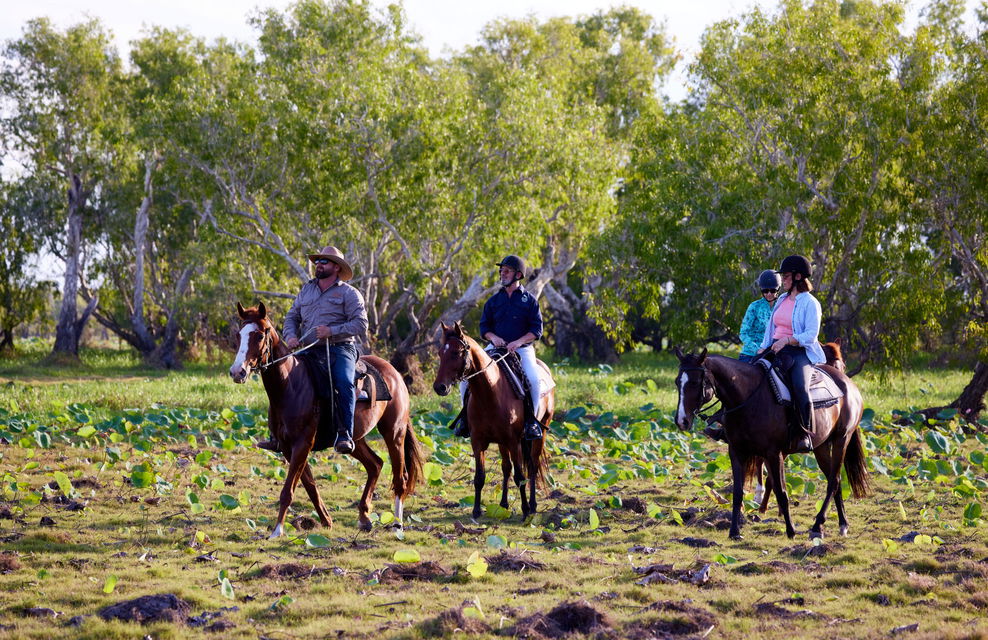
Horse Breed: Australian Stock Horse
Name of breed: Australian Stock Horse Country of origin: Australia Breed origin: The roots of the Australian Stock Horse date back to the arrival of the First Fleet in 1788, which brought nine horses of Thoroughbred and Spanish blood to the continent. These were shortly followed by more importations of Thoroughbreds, Arabians, Welsh Mountain Ponies…
