
Experience Patagonia the Gaucho Way
You truly won’t be able to find a better itinerary that encompasses the rough and rugged beauty of Argentina’s Patagonia region while being brought to life with the local gaucho culture.
Trip Highlights
-
Drinking maté with the gauchos
-
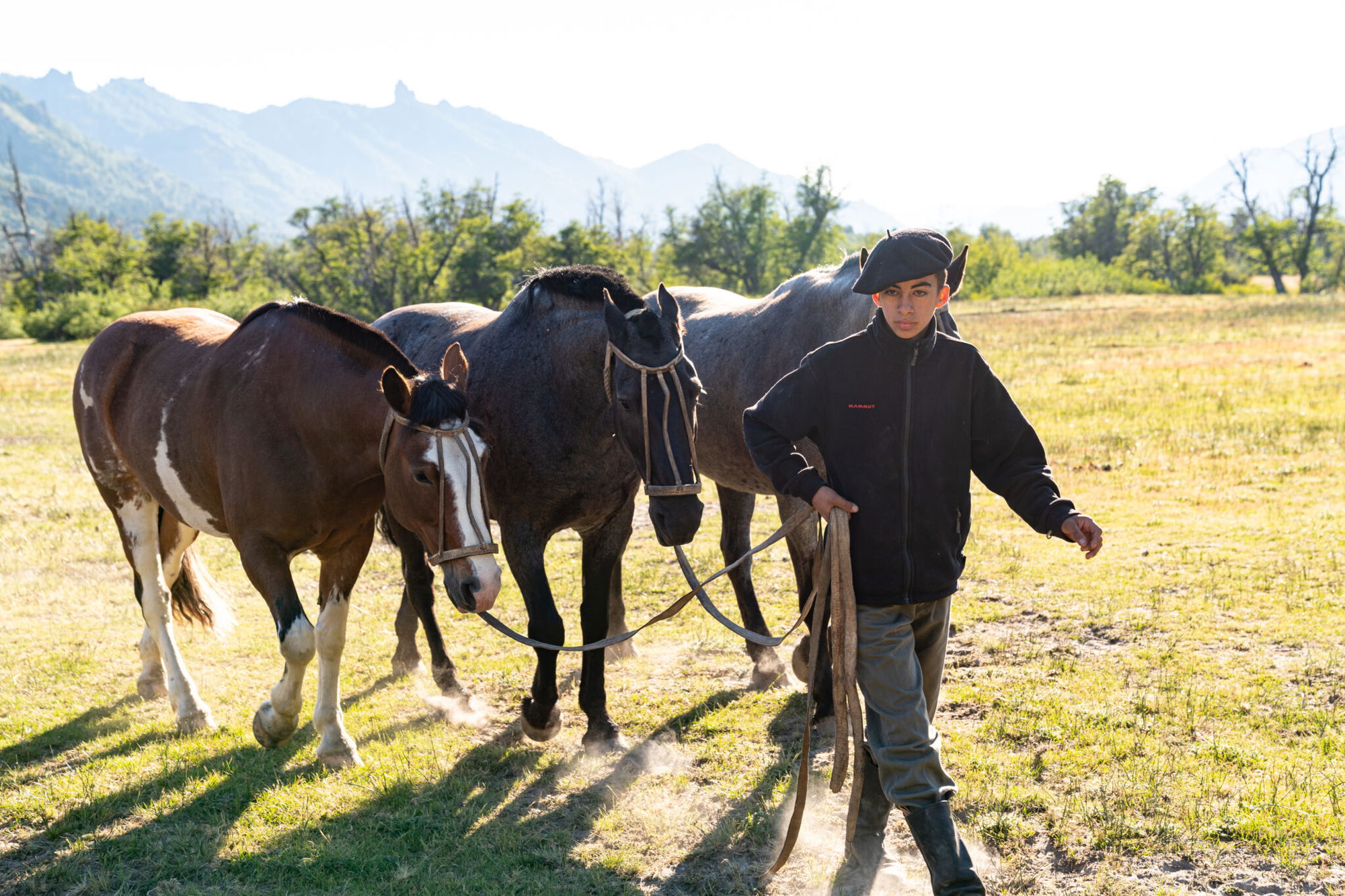
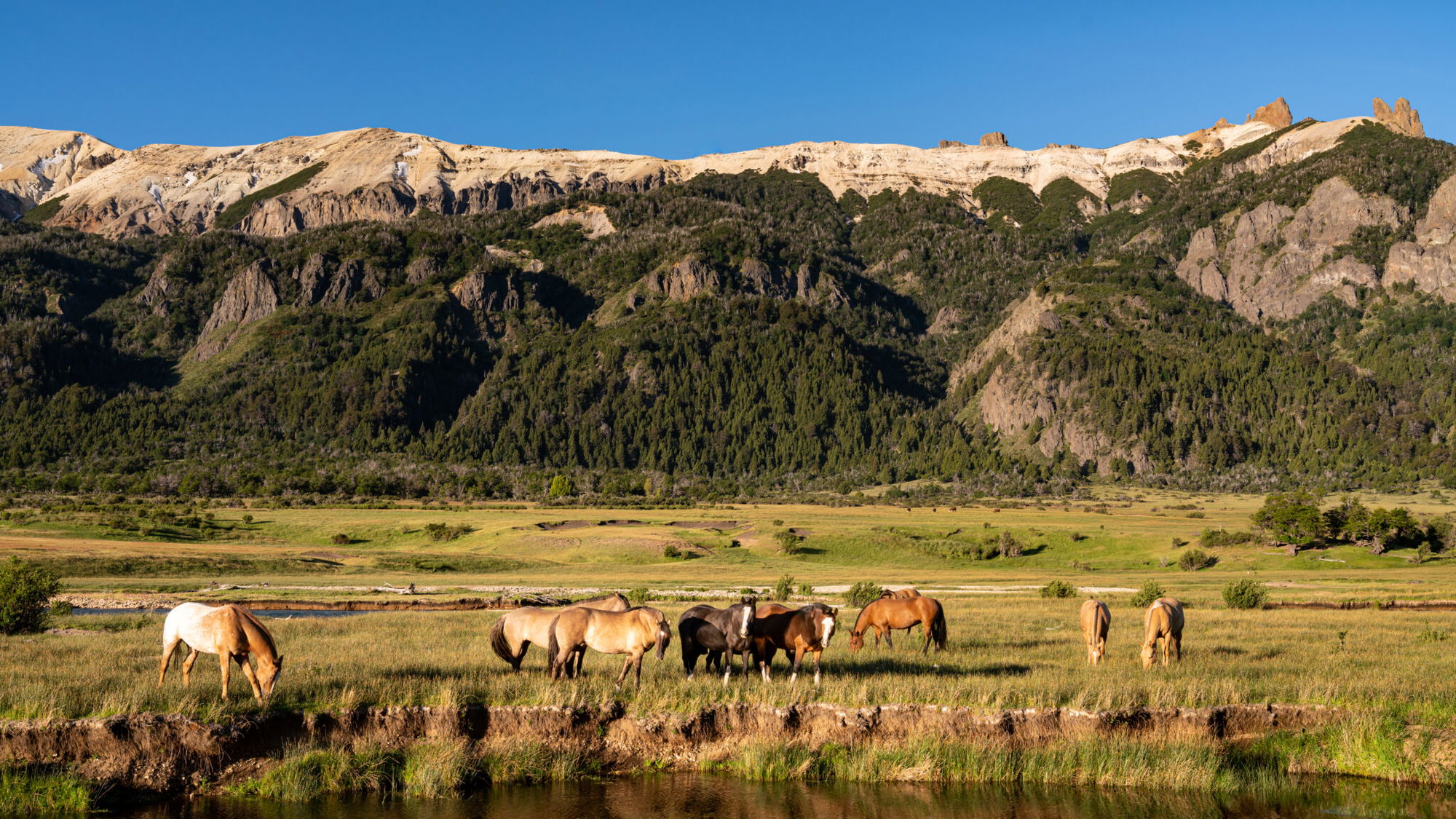
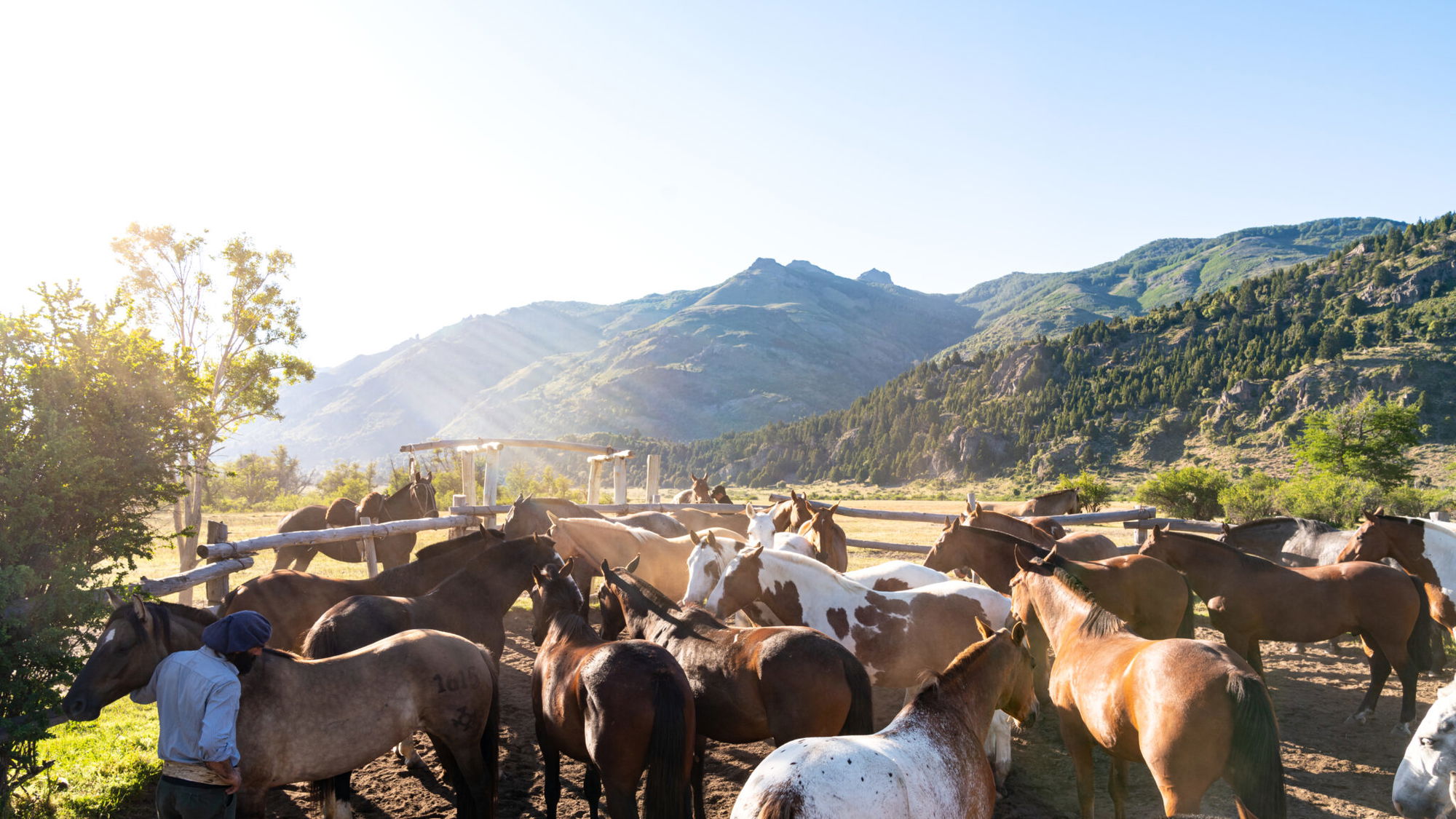
Falling in love with the trusting, loyal Criollo horses
-
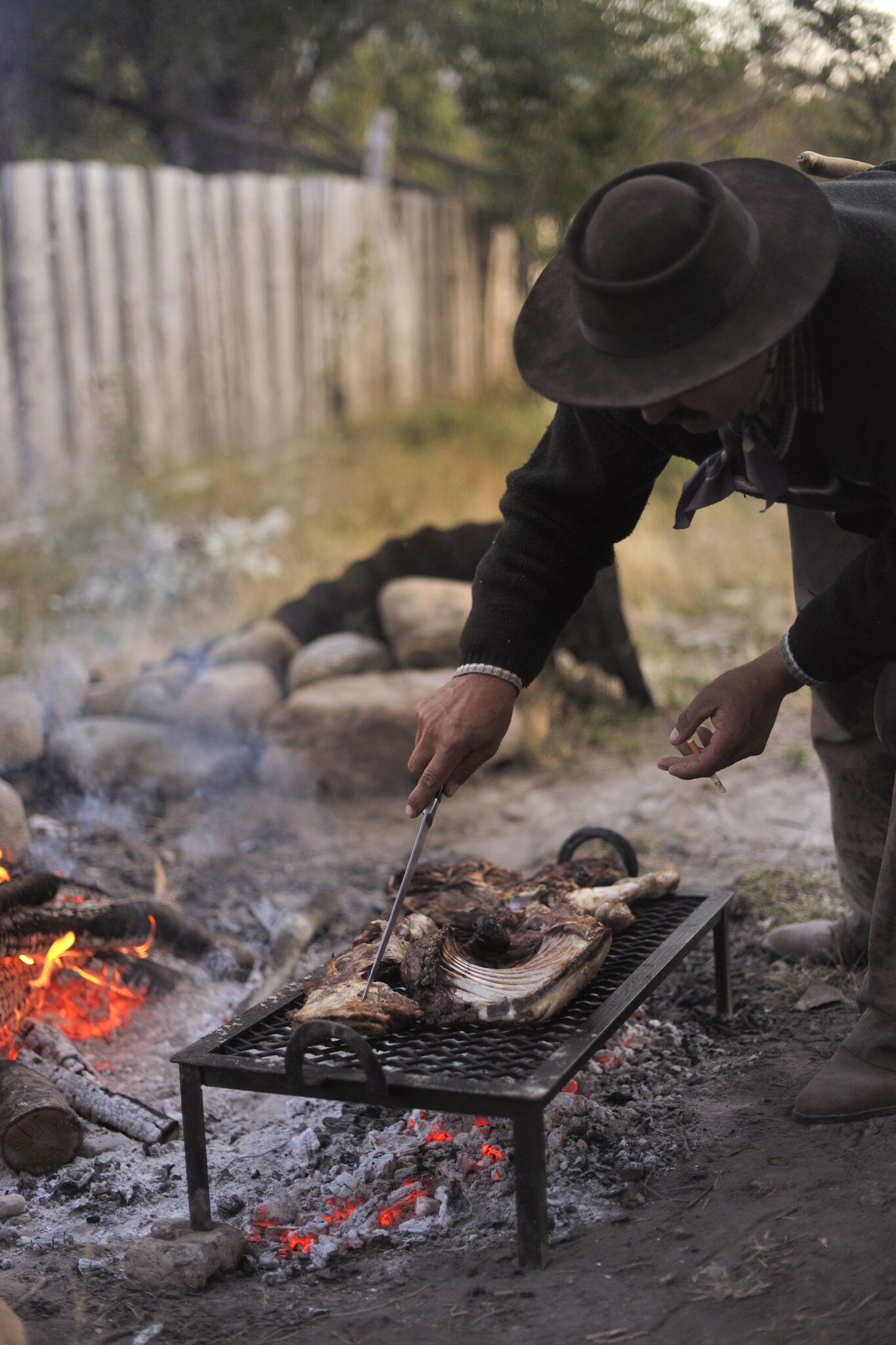
Chowing down on Argentina’s famous asado
-
Swimming the horses in a refreshing river fed from the Andes
-
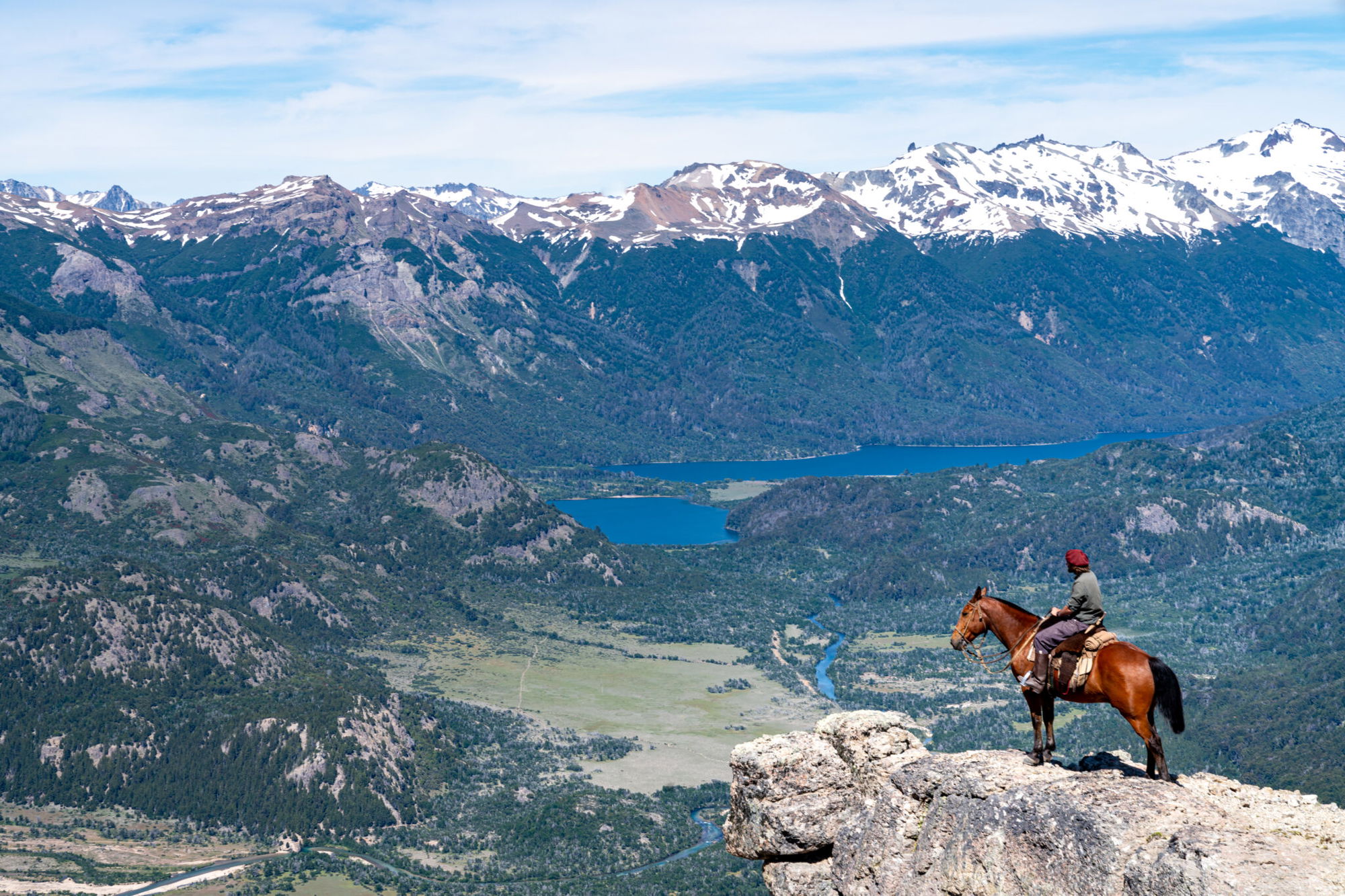
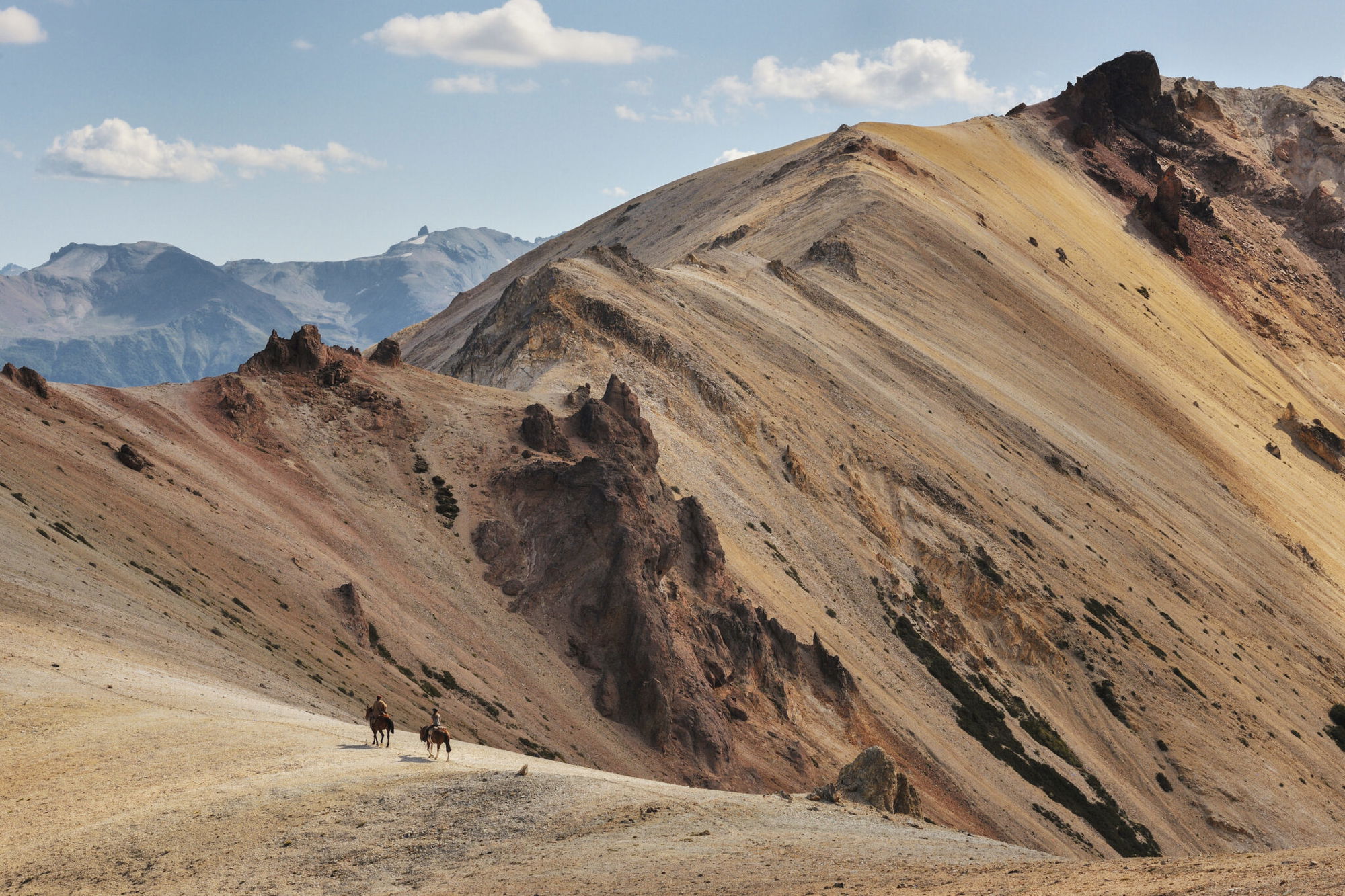
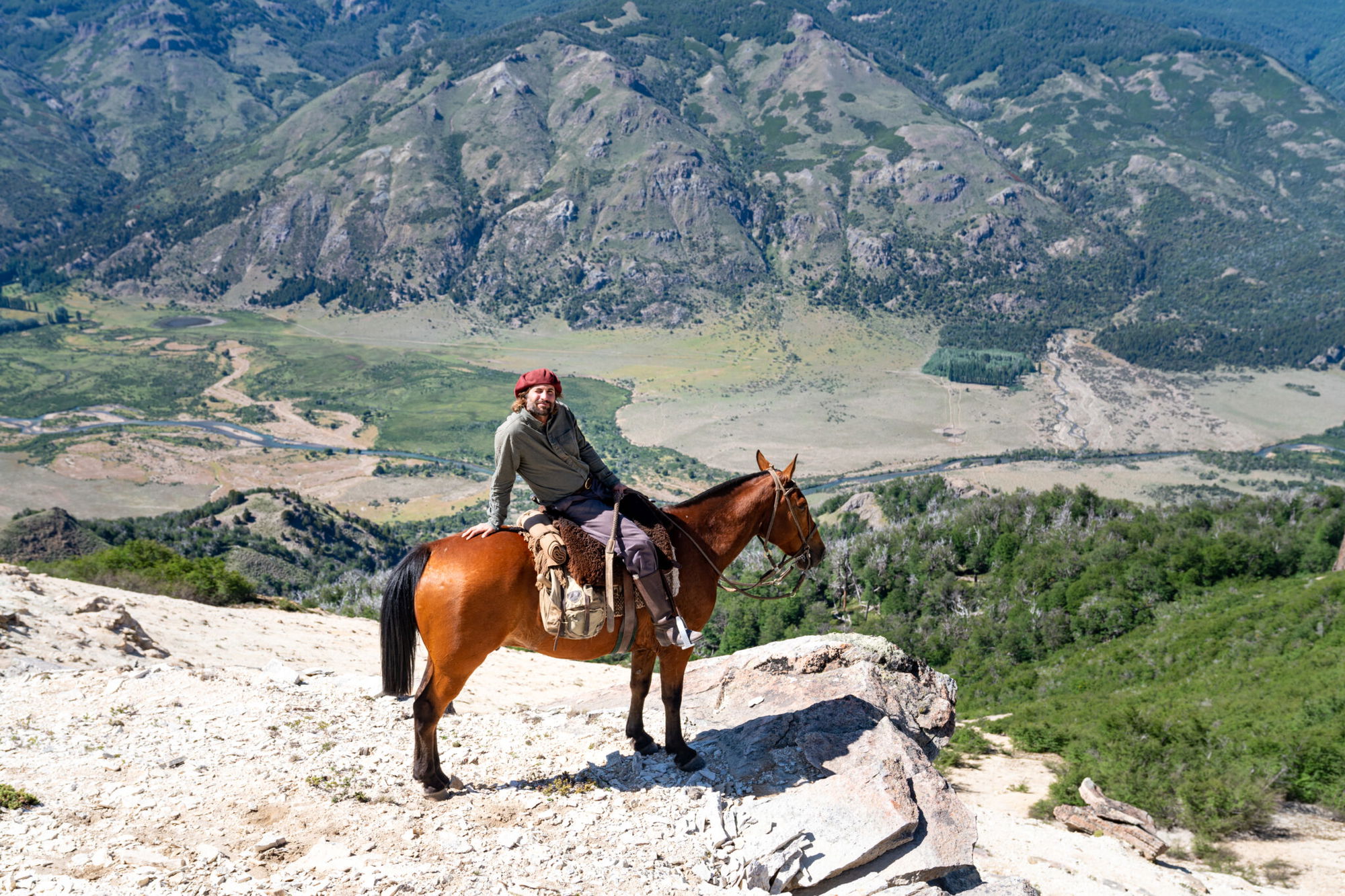
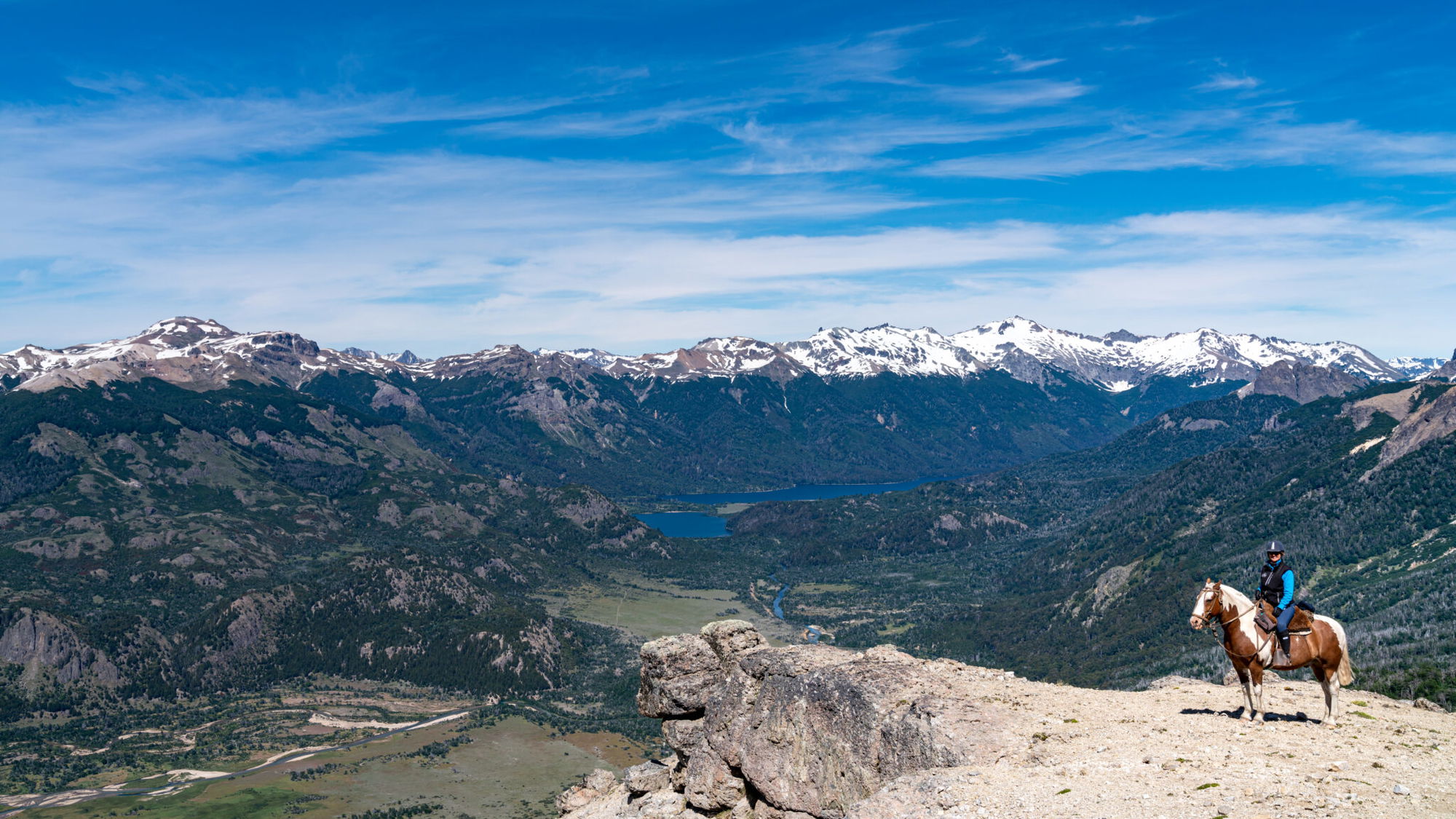
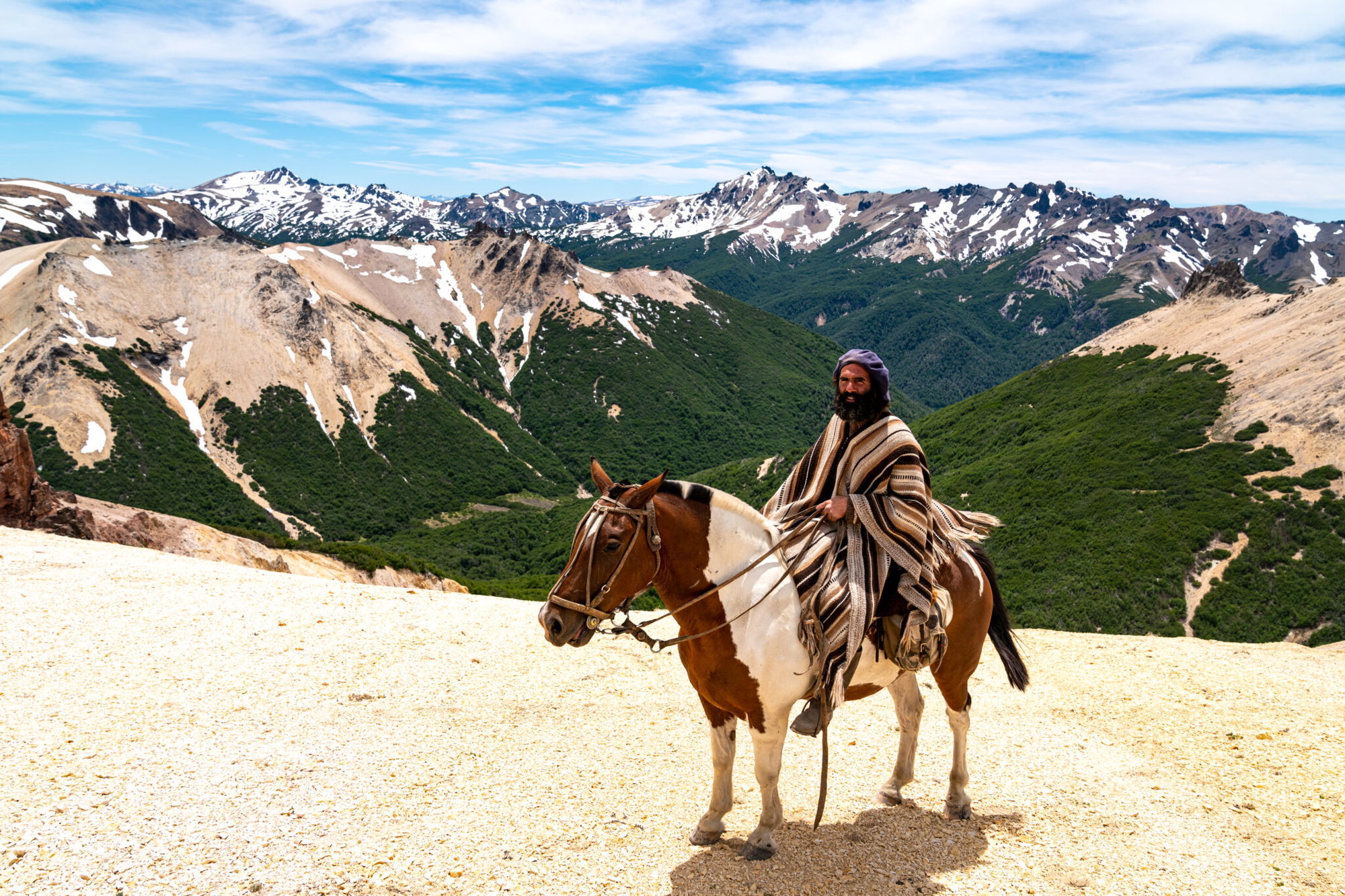
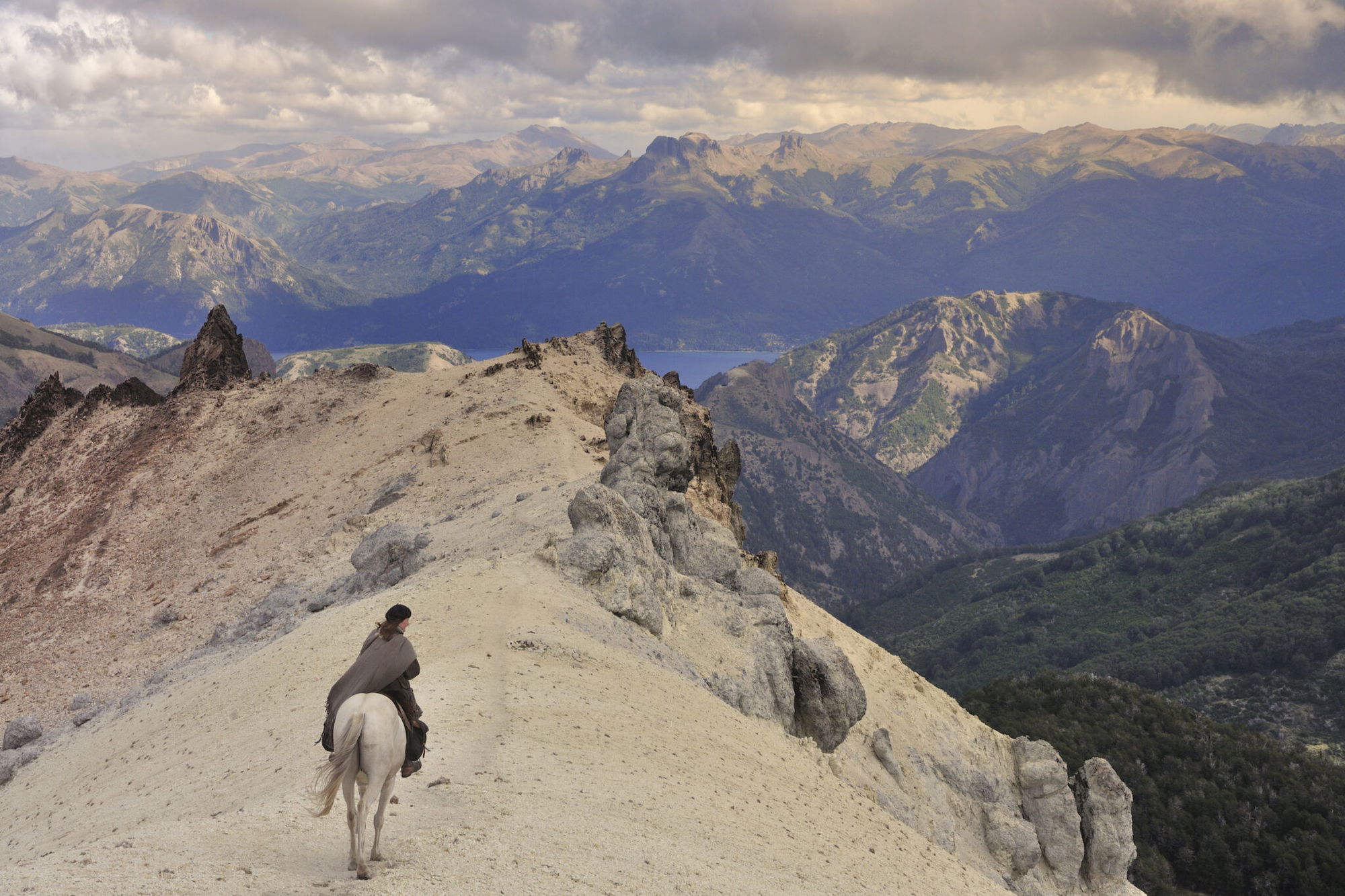
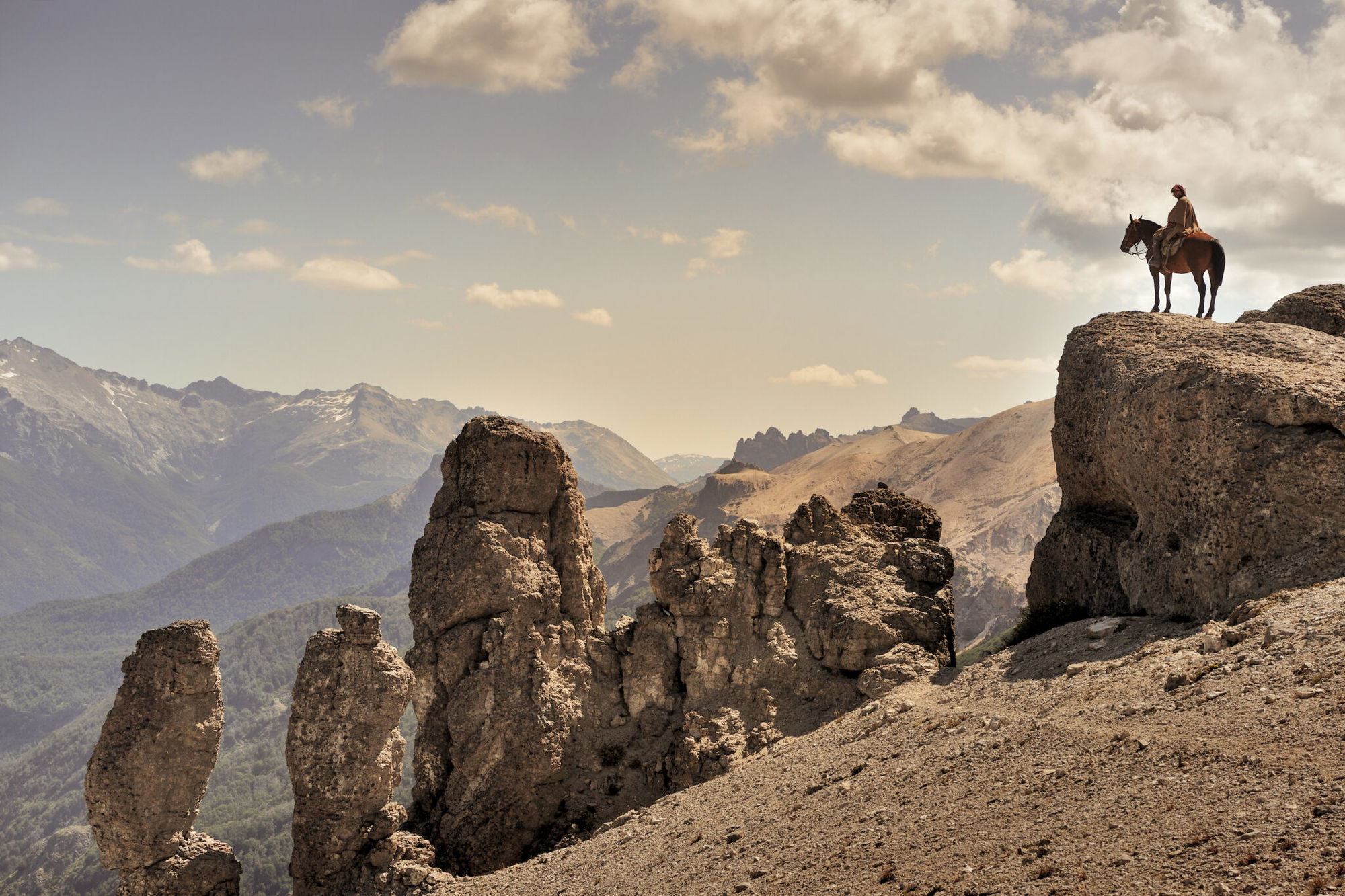
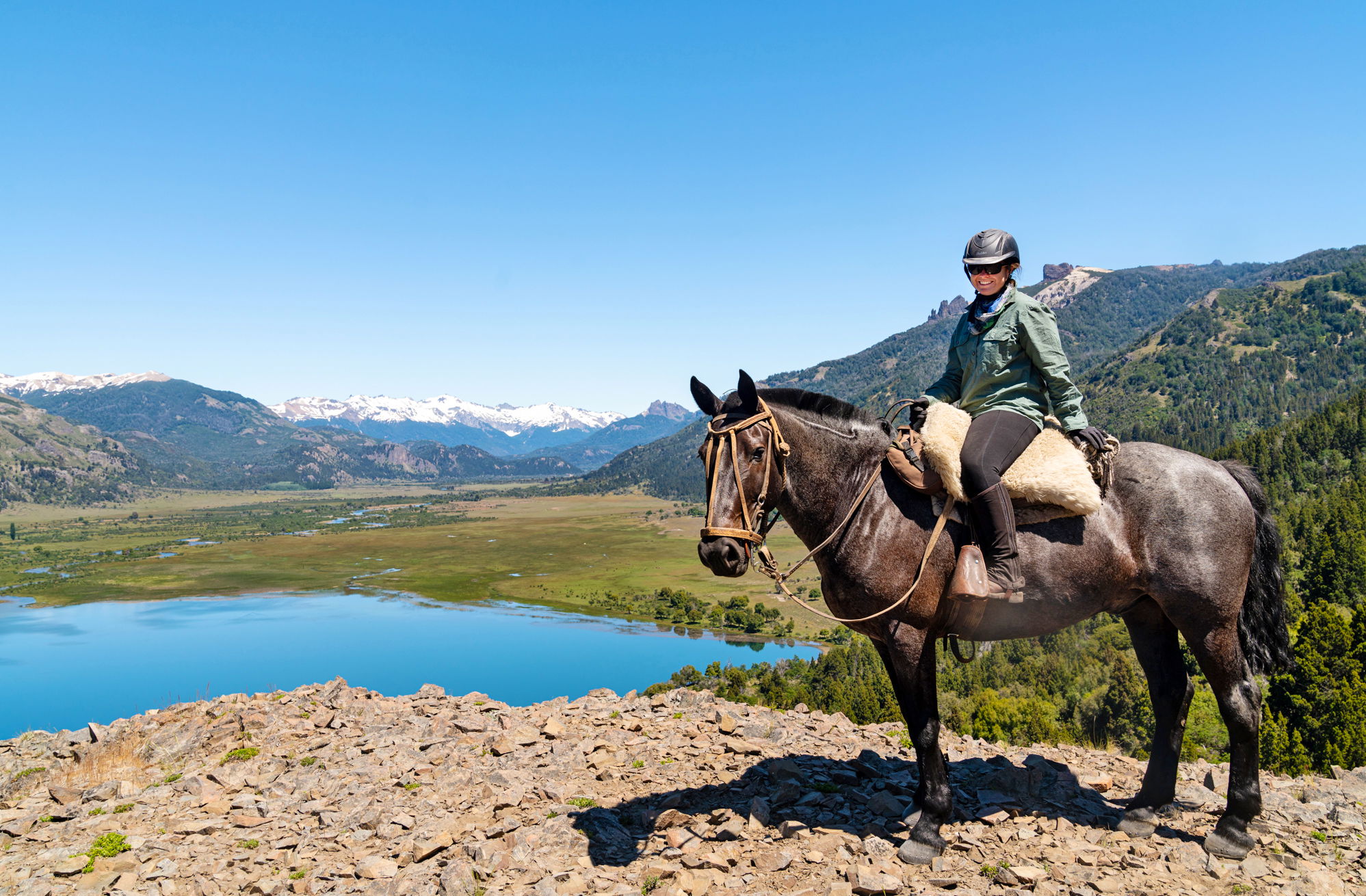
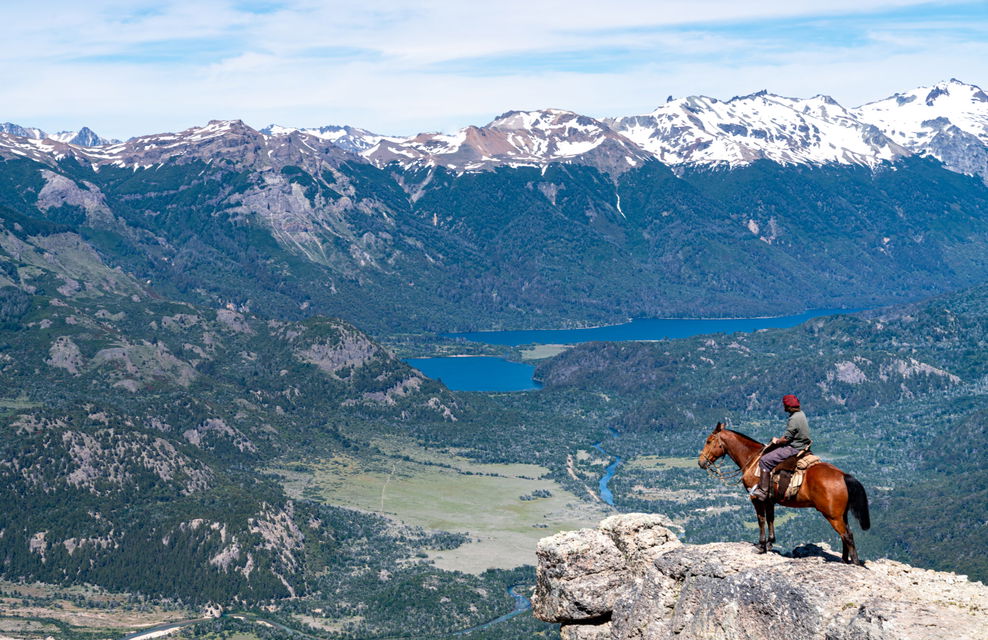
Taking in the breathtaking vistas you’re presented with as you summit a rugged mountain
-
Holding your breath as you ride across the Pass of Tears
-
Watching in awe as a condor circles above
Details
-
Riding levels
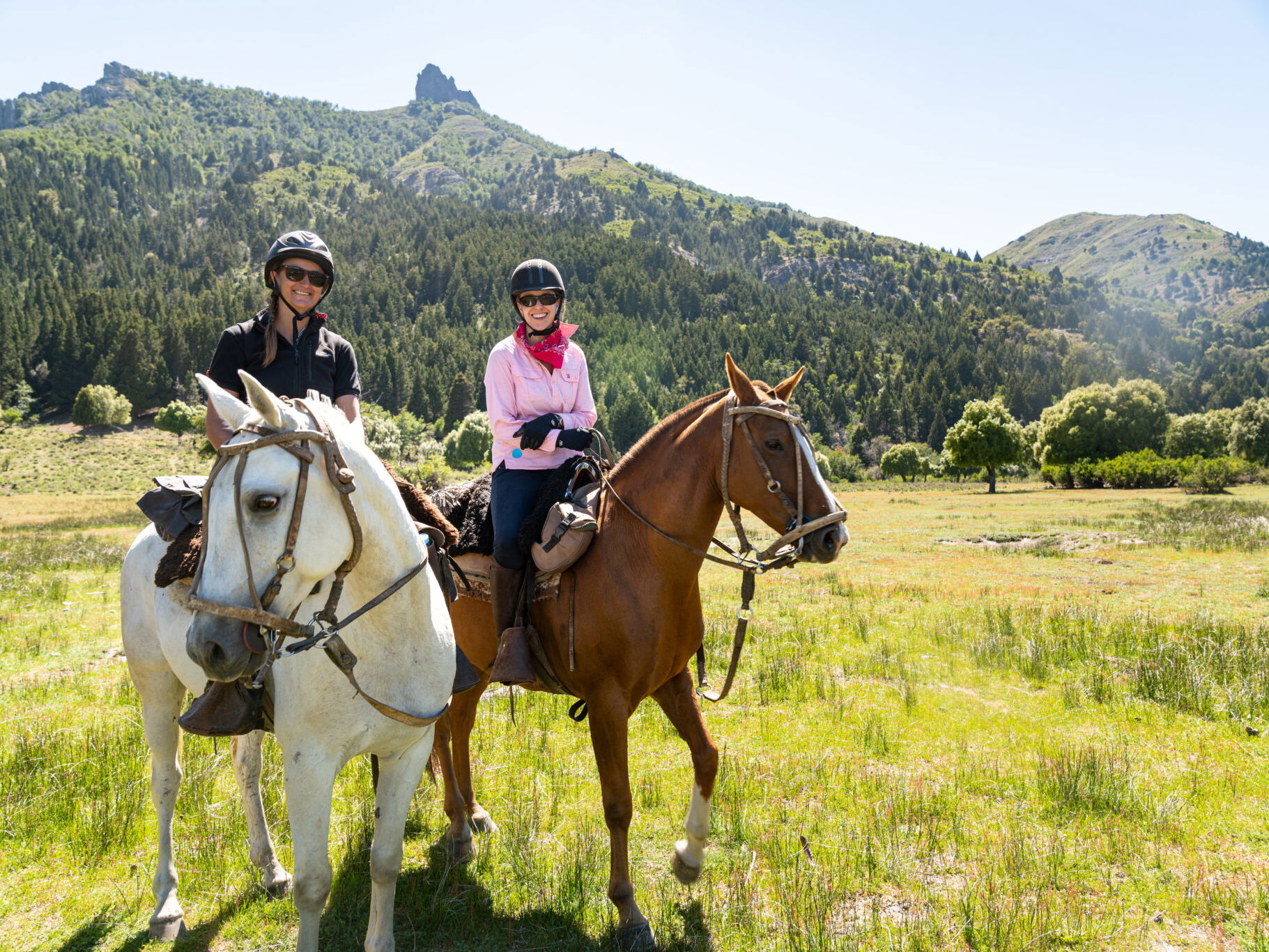
Suitable for intermediate to advanced riders. You should be comfortable at all paces, but please note, the majority of the ride will be completed at a walk due to the terrain.
*Please be aware, if you suffer from vertigo you will find parts of this ride VERY challenging.Not sure what your riding ability is? See the definitions below.
- Type of tack
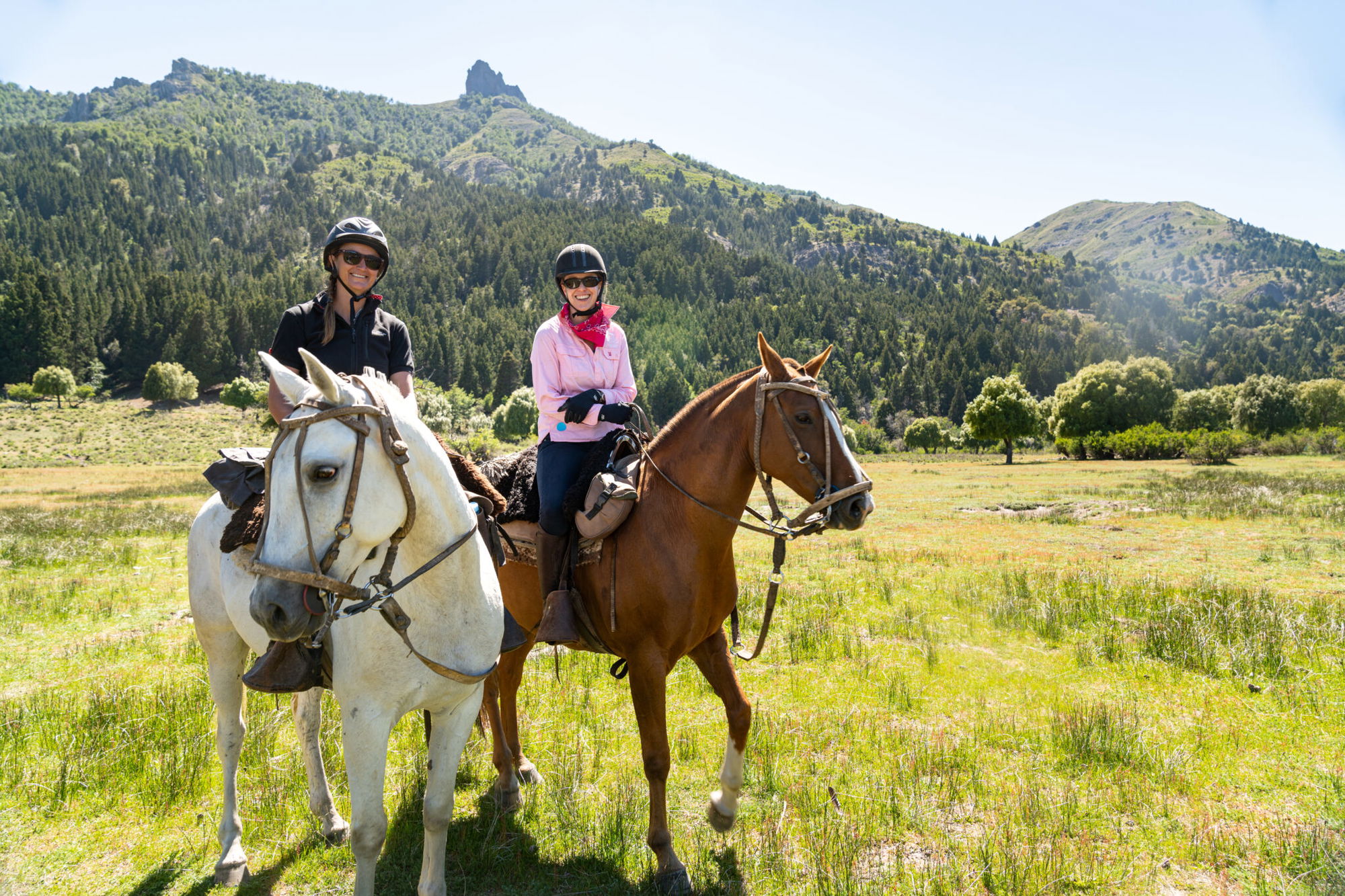
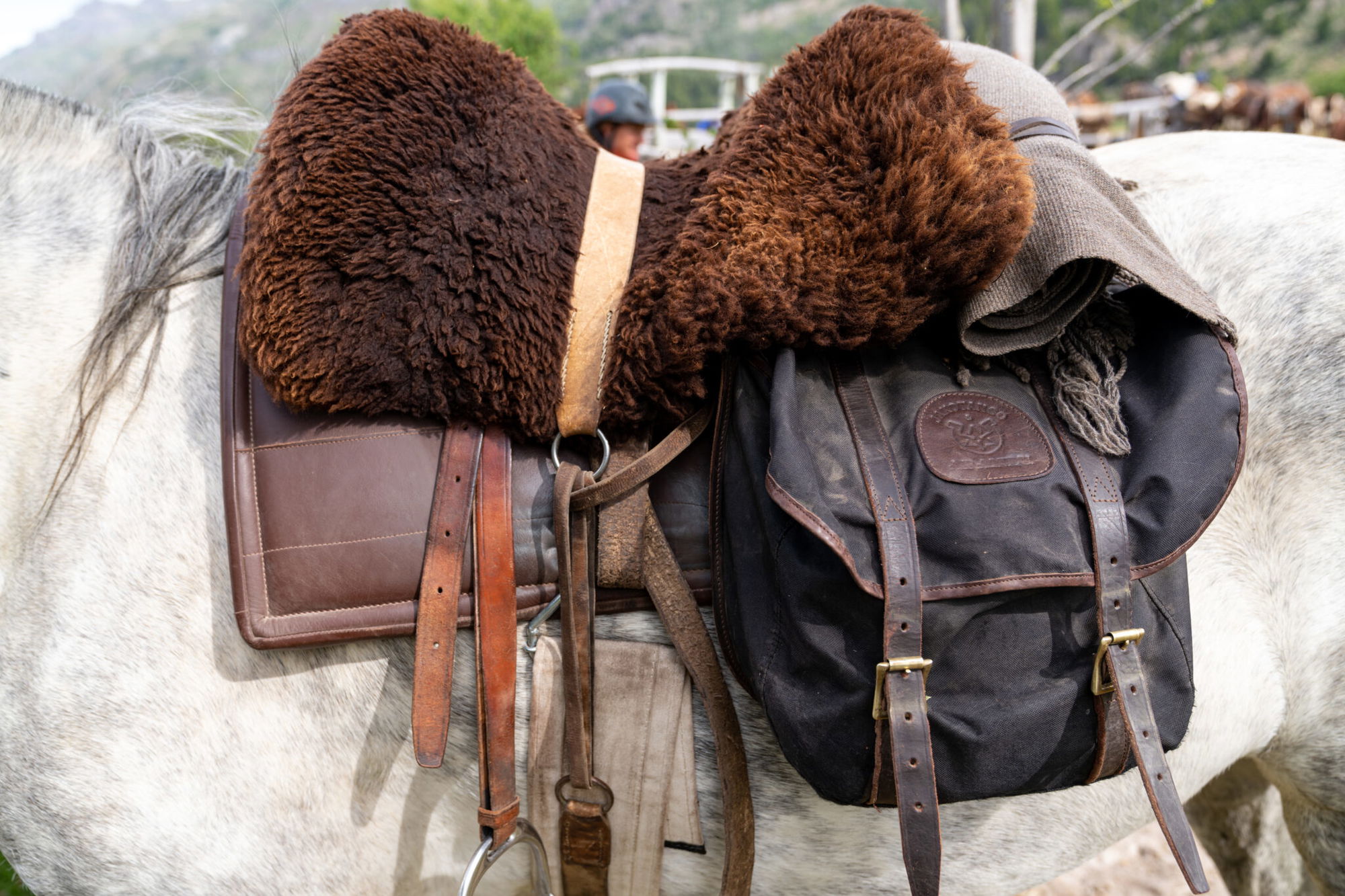
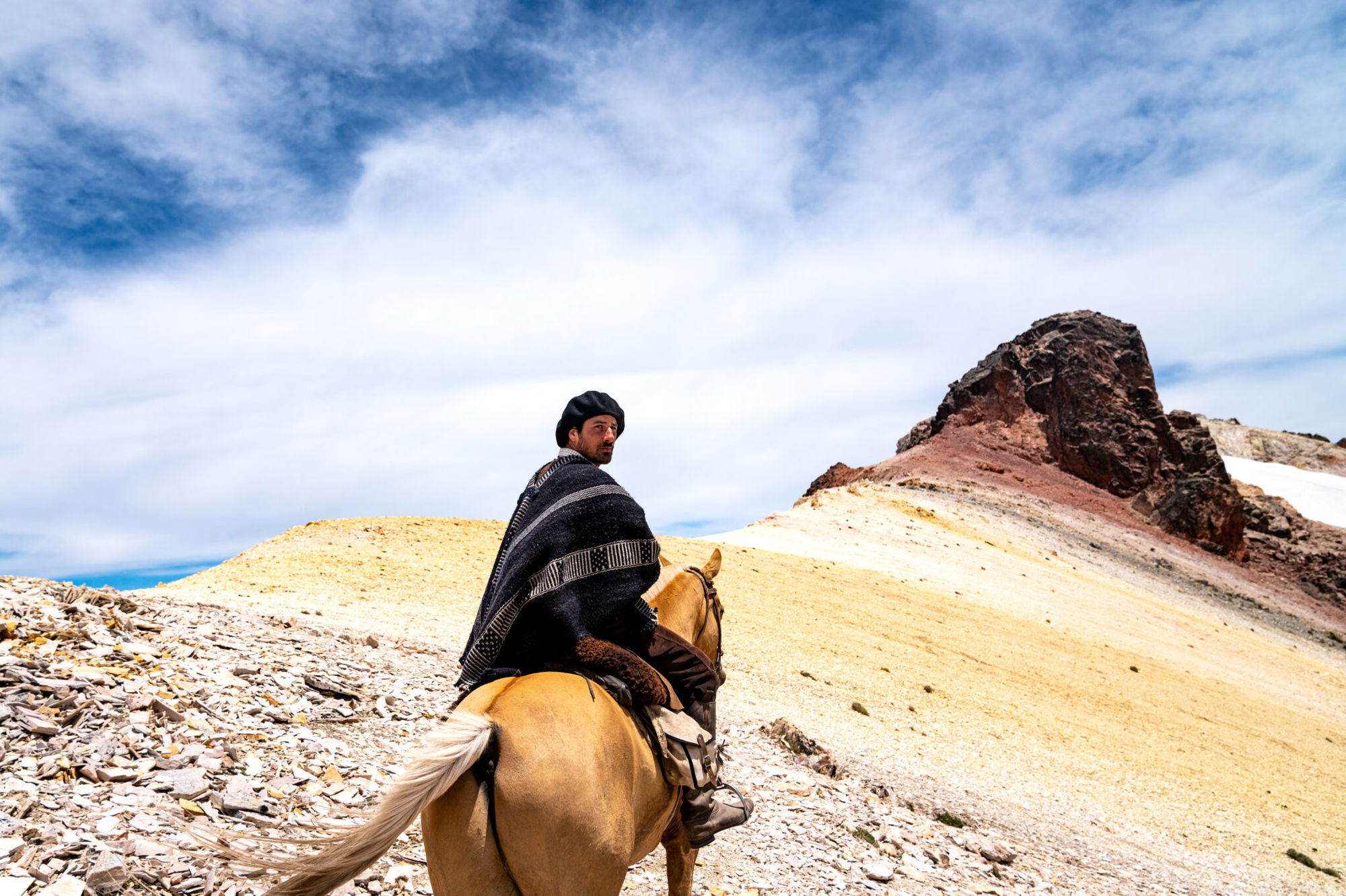
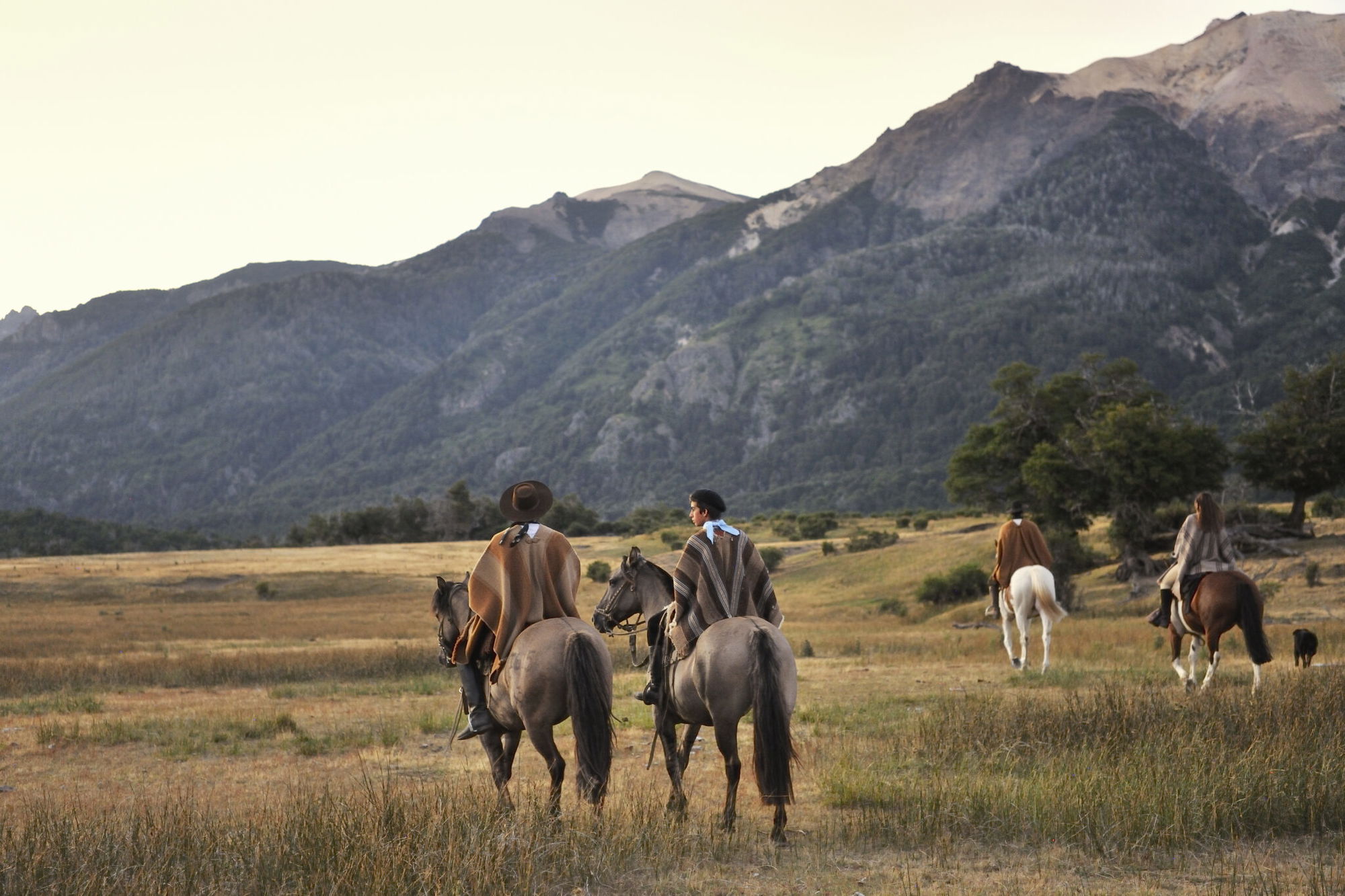
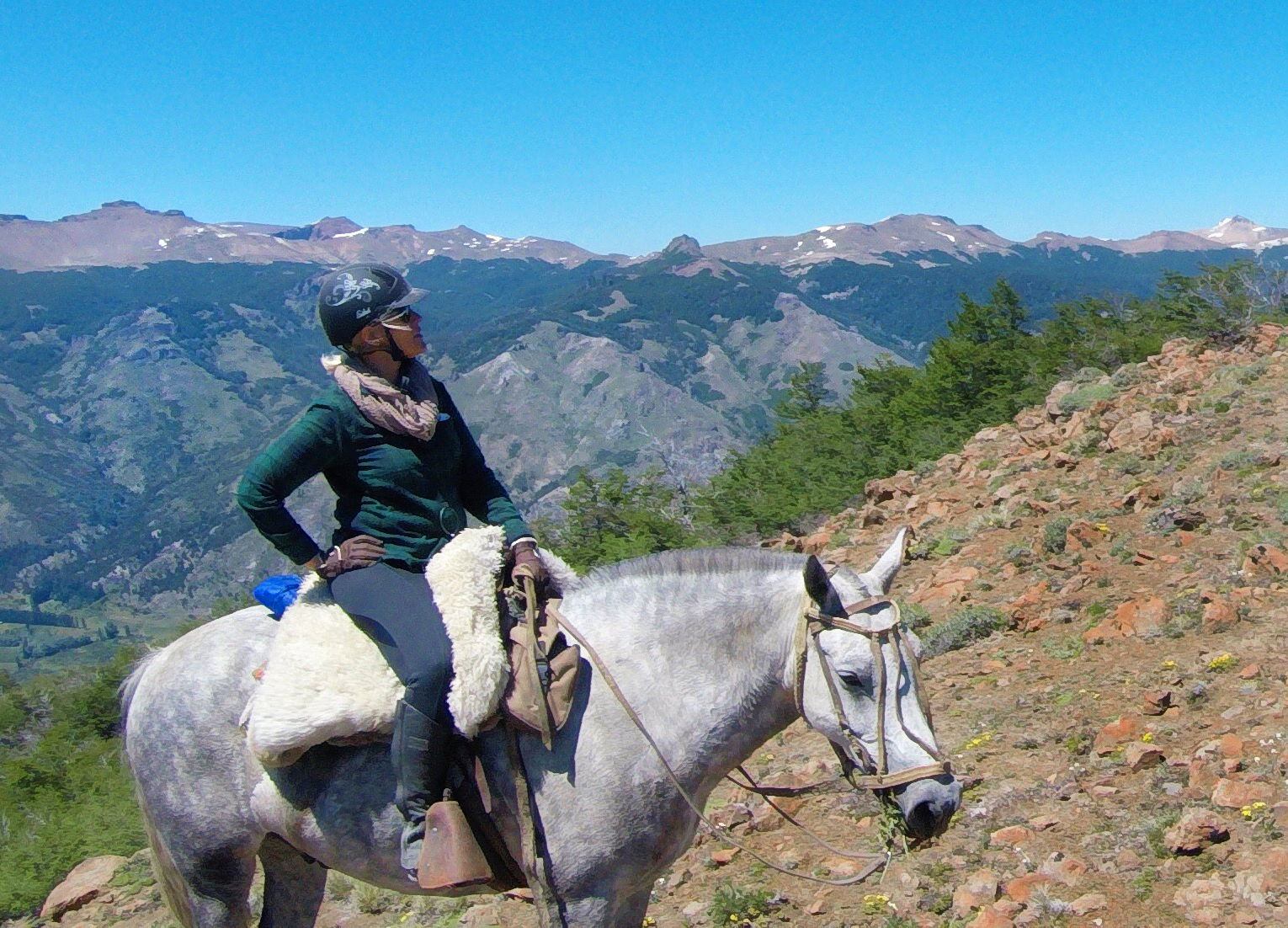
Traditional Argentine ‘recado’ saddles with sheep skins. These saddles are composed of many layers of blankets, pieces of leather, and sheepskins placed on the horse’s back in a particular order. The last layer of sheepskin serves as a seat for the rider, making it very comfortable to ride.
- Horse breed
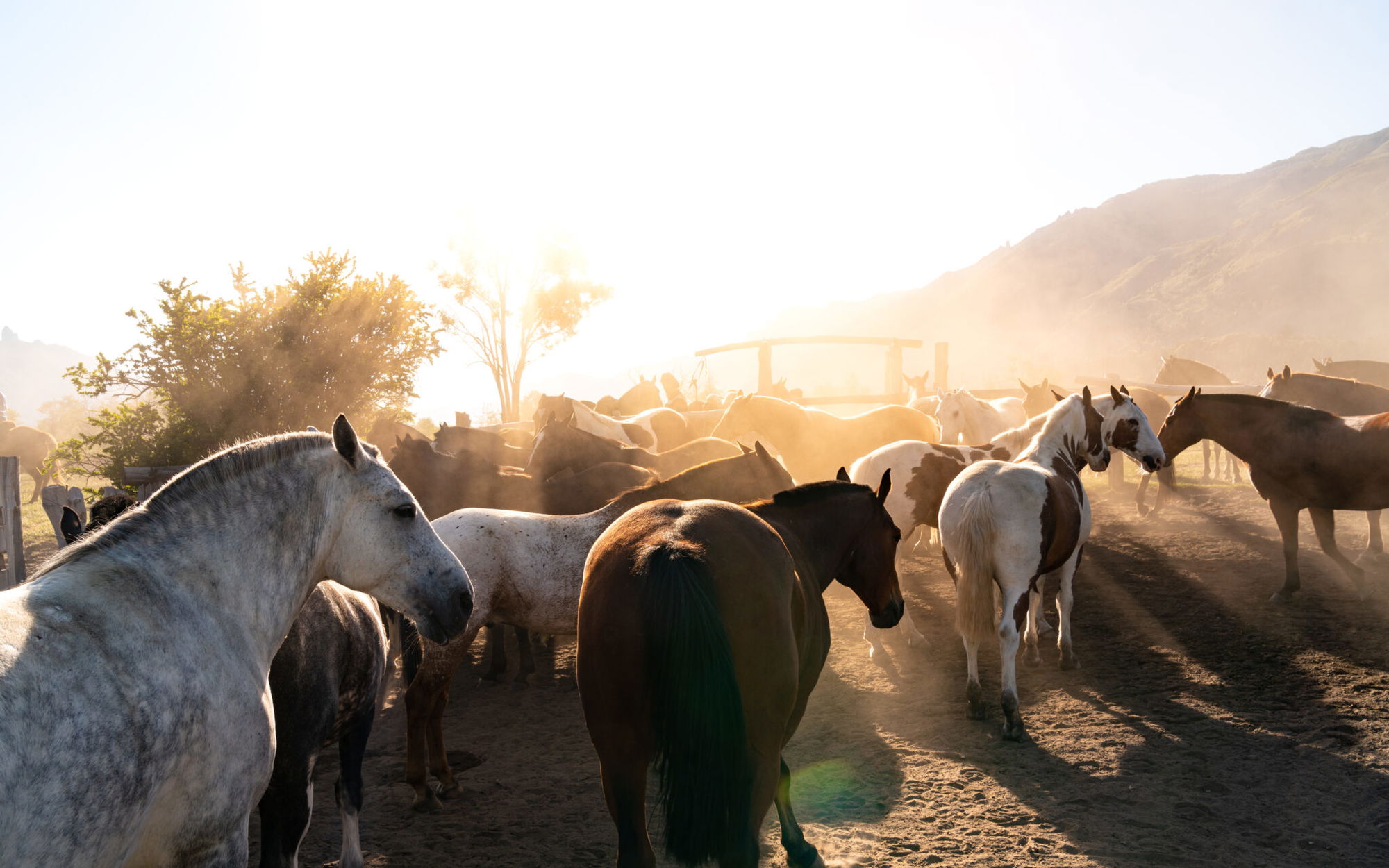
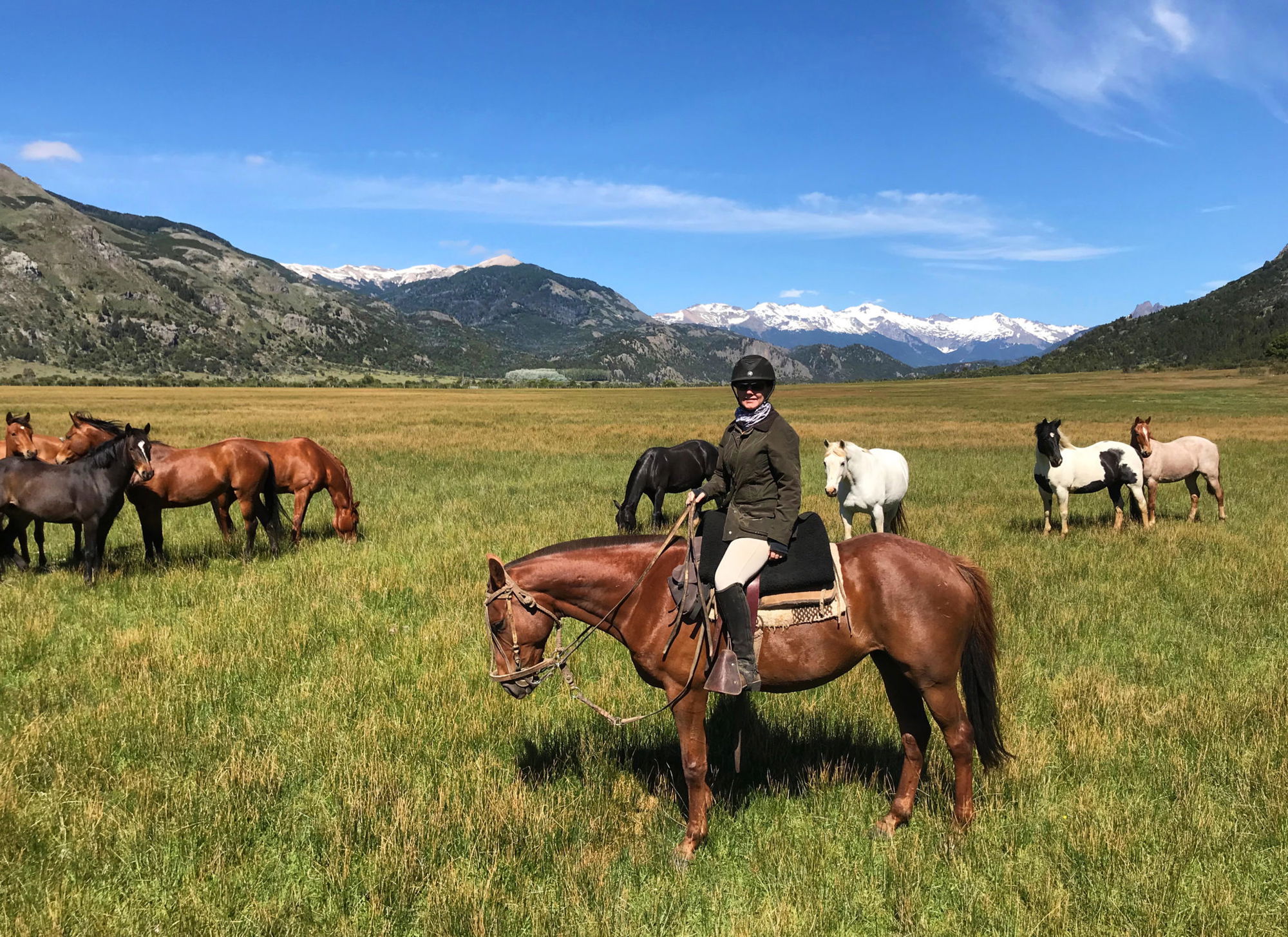
In Patagonia the horses are locally born and bred, predominantly the Argentine ‘Criollo’ breed but some with Quarter Horse, Thoroughbred and even Percheron influences.
- Accommodation
The Patagonia Trail consists of three different types of accommodation – Base Camp, mountain fly camps and a gaucho’s farm.
- Pace
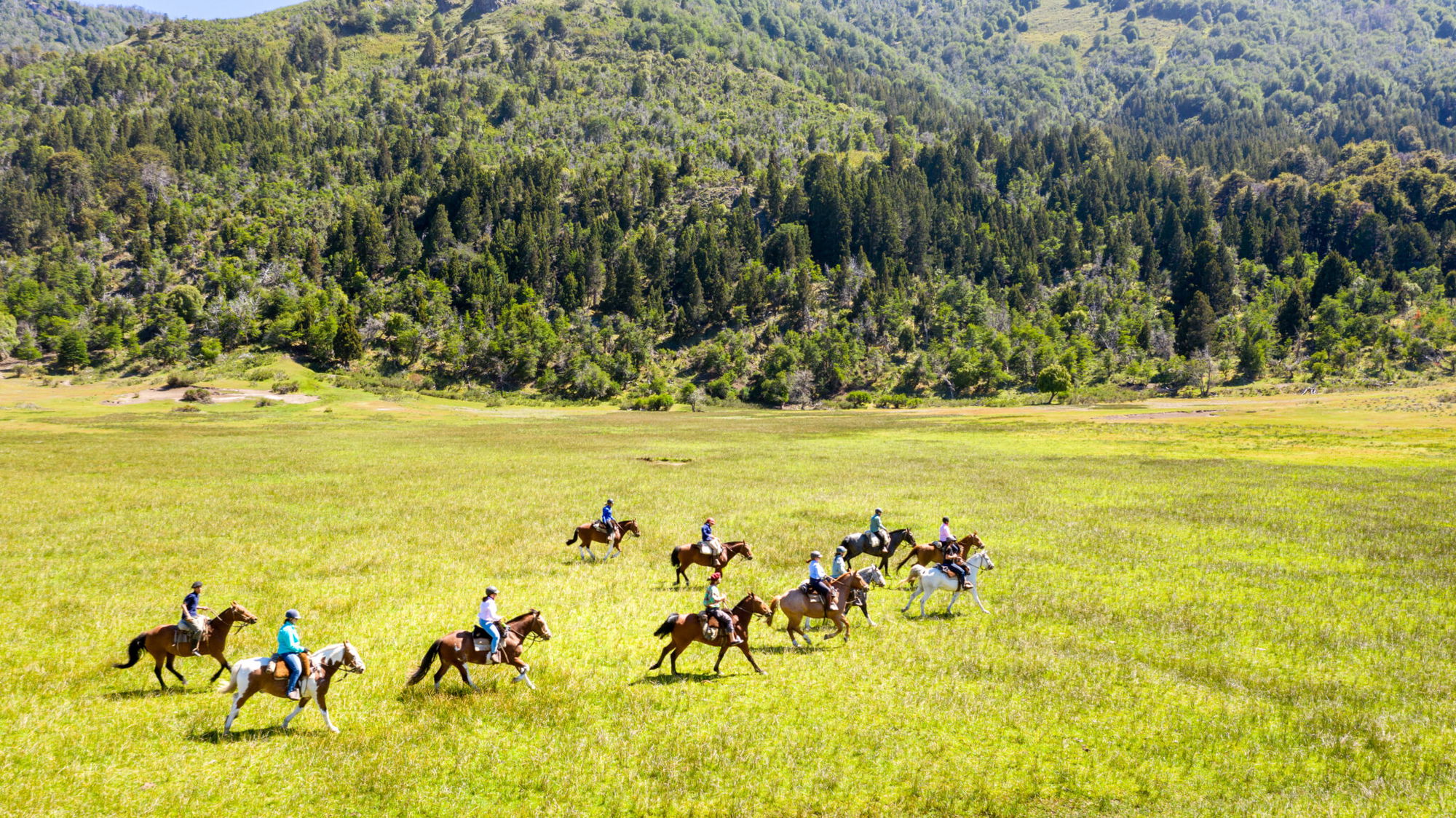
Generally a walking pace due to the climb and descent nature of the mountains and terrain. There will be some opportunities to trot and canter, but these will be limited.
- Weight limit
A maximum of 95kg / 210lbs.
It is VERY important that you provide your current weight accurately when booking. If your weight is not accurate, we cannot guarantee that your hosts will have a horse for you to ride.
- Group size
A maximum of 10 guests.
- Minimum age
18 years of age
- Time in Saddle
Between 4 to 8 hours per day.
- When to go
December to February.
- Terrain
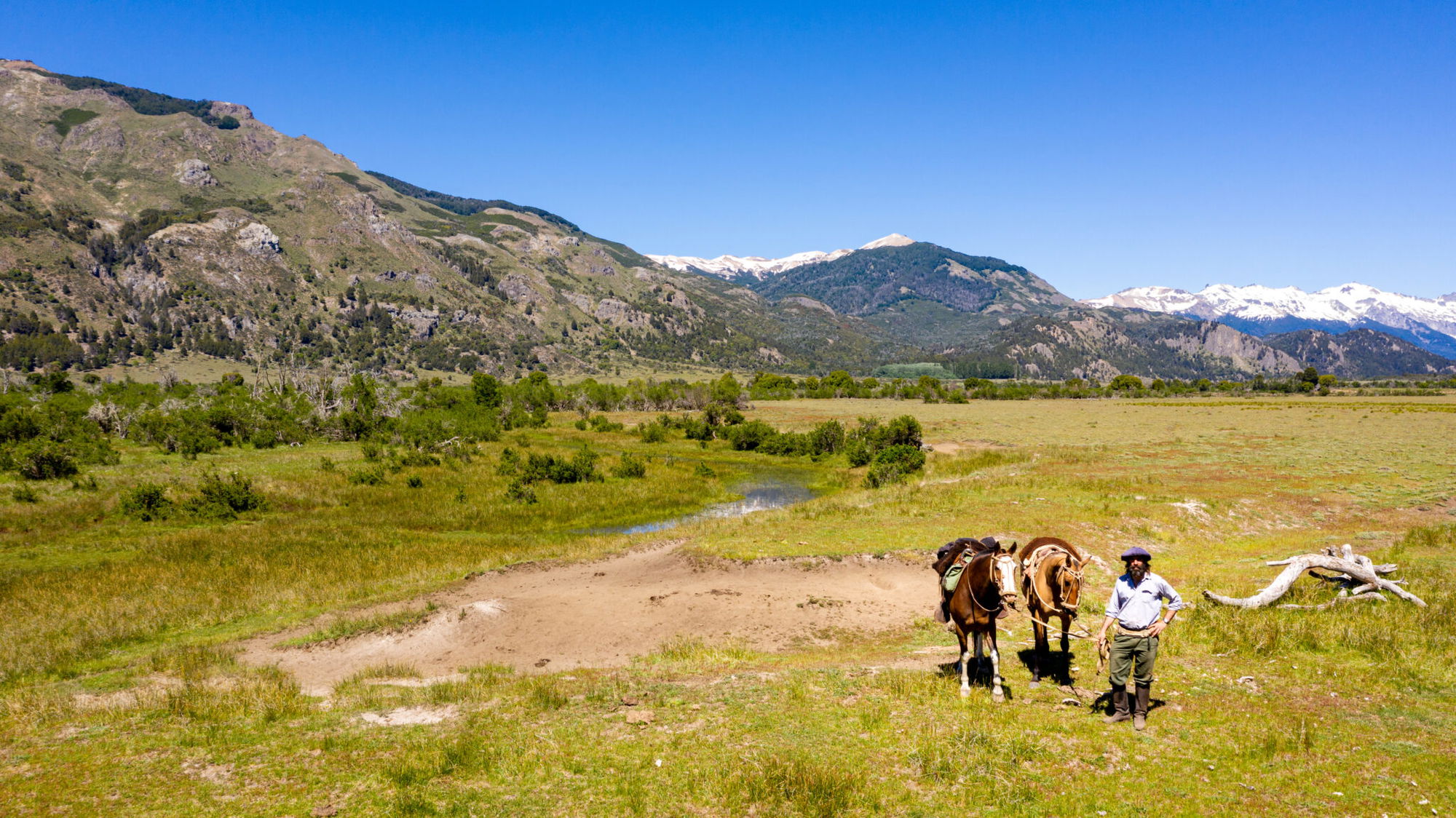
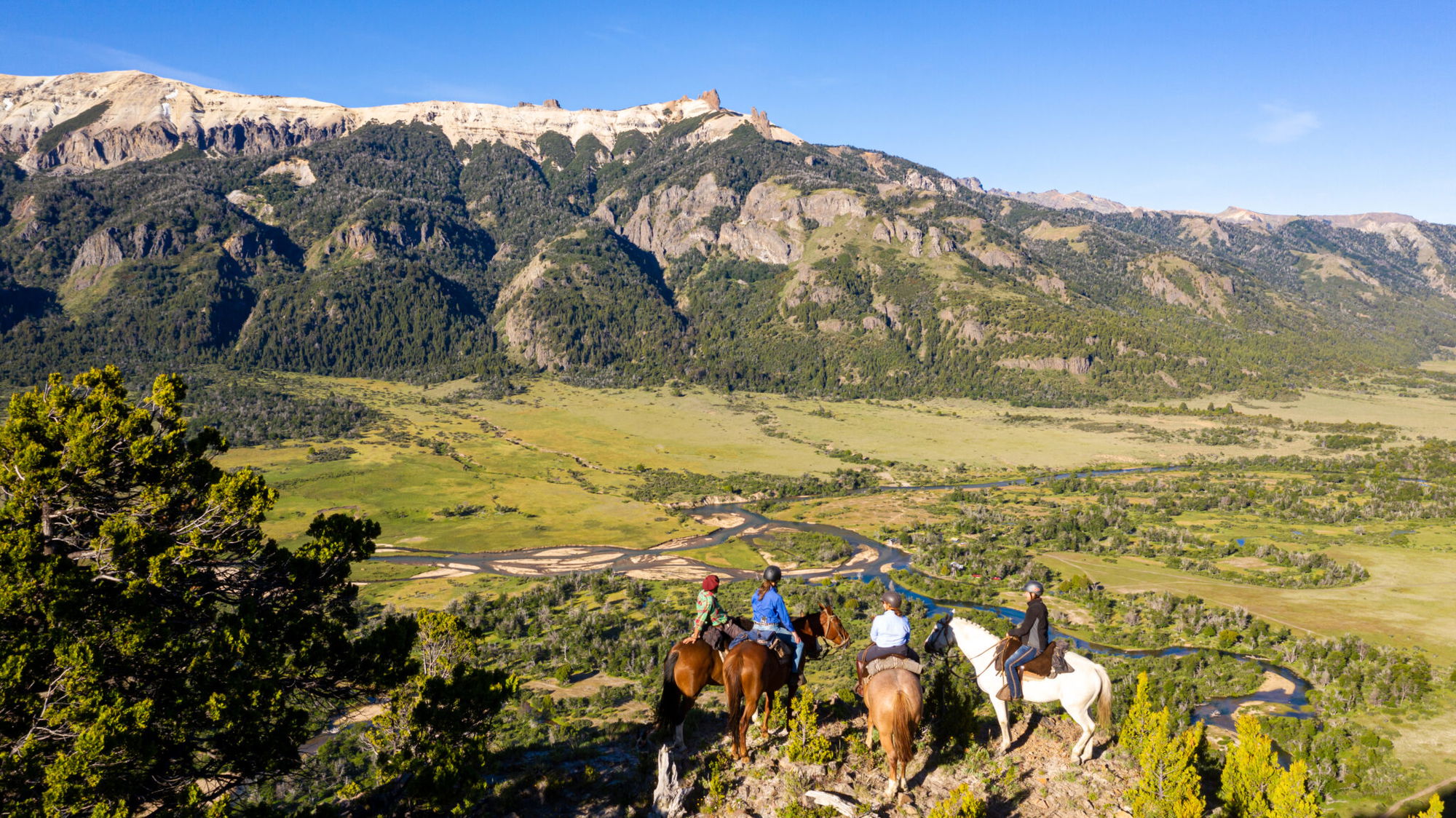
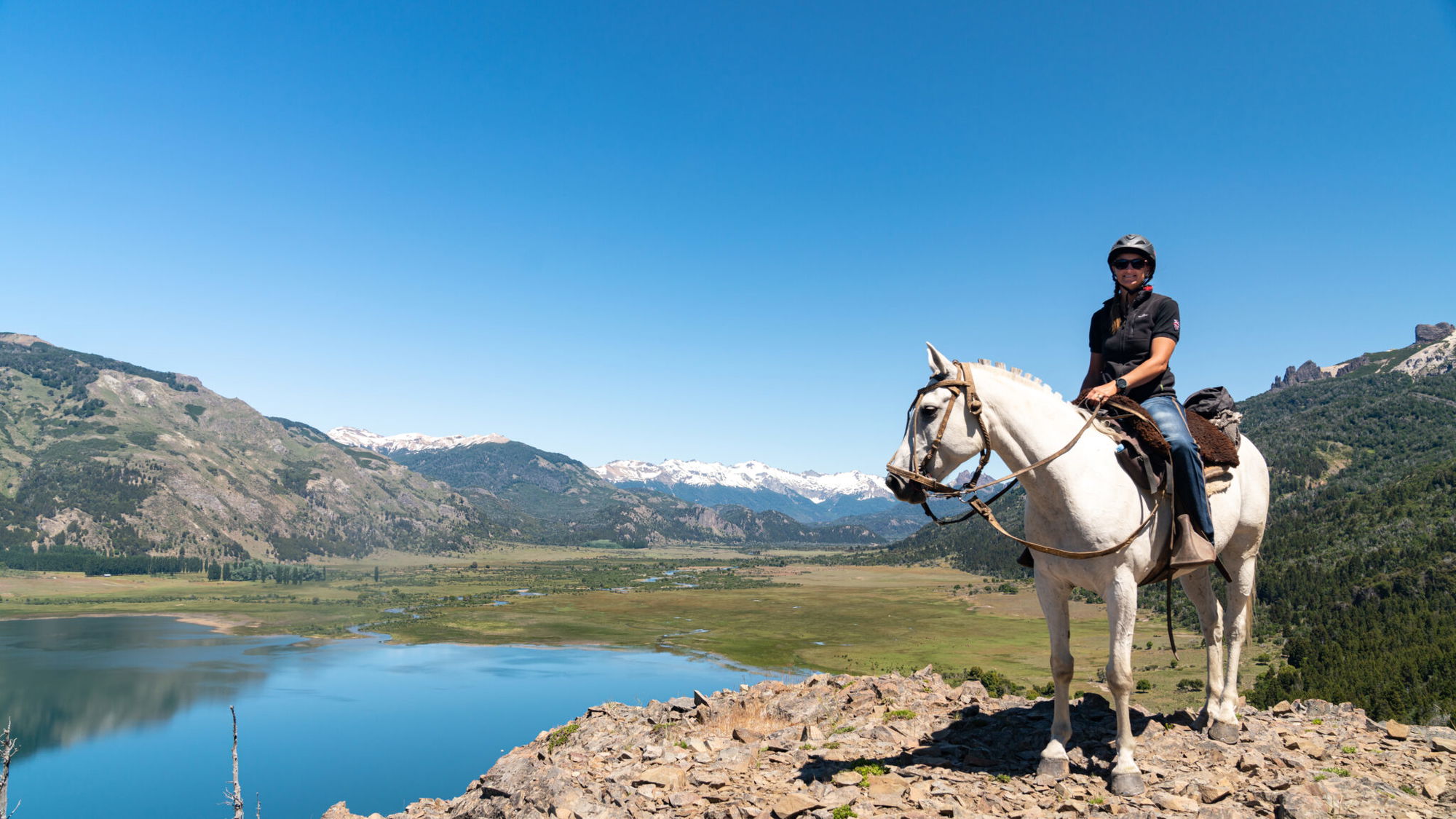
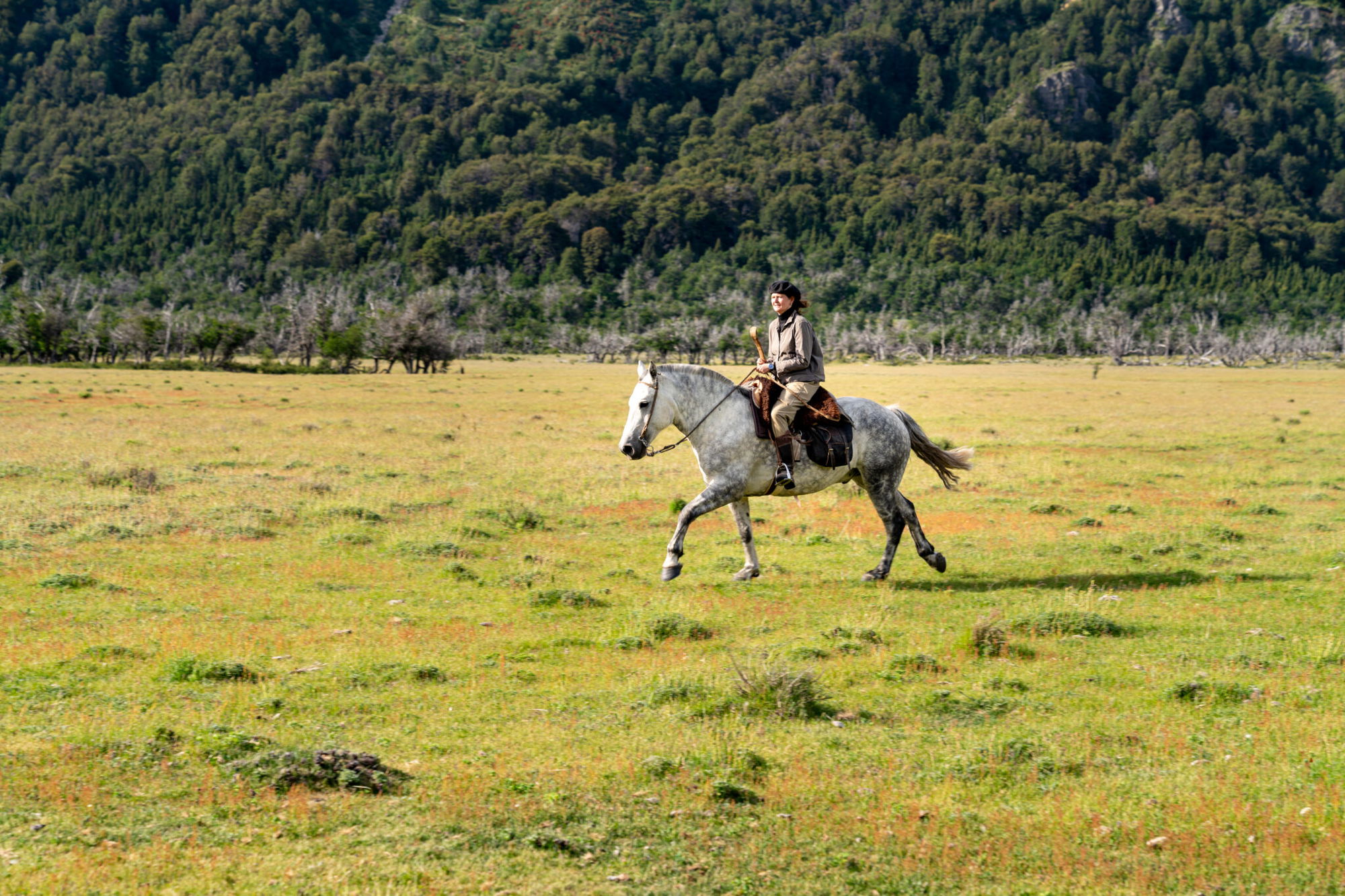
In the Patagonian mountains, there is steep climbing on horseback with a few opportunities for cantering in the valleys. On horseback, you can reach places completely unspoiled by man. You’ll ride along crystal clear lakes and rivers where you can swim with the horses after a long day in the saddle. People with vertigo may struggle riding along the magnificent precipices. Although the pace is slow, there is definitely no lack of excitement. It is wonderful to see what a horse is capable of in difficult terrain like this.
- Languages
Instructions spoken in English.
Your guide also speaks: Spanish, French and German.
What’s included (and what’s not)
Included
- Transfers to and from regional airports (or local accommodation) in Patagonia
- All food and drink, including alcohol
- Accommodation
- Daily riding activities
- Guides
- Staff tips
Excluded
- International or domestic flights
- Travel insurance (compulsory)
Departure dates and prices
Instalment plans available
Lock in your ride with a 10% deposit and pay the rest over time – interest-free in 10 easy payments. Learn more.
Per person
2026
December 14 to 21, 2026
Waitlist yourself and we will send you an email if this date becomes available. Spots are offered on a first-come, first-served basis.
2027
January 15 to 22, 2027
Waitlist yourself and we will send you an email if this date becomes available. Spots are offered on a first-come, first-served basis.
We'll email you — you'll be among the first to hear when new departure dates are released.
The fun bits
Payment details
- A fixed Booking Fee of $104 USD
- All bookings are charged in the local currency of the ride destination.
- Accepted payment method is by credit or debit card only.
Cancellation policy
We understand that plans can change. If you need to cancel your ride, please let us know as soon as possible. Cancellation fees apply based on how close your departure date is, and deposits are non-refundable. We strongly recommend travel insurance to protect your booking. Read our full cancellation policy.
International fees
If you're paying in a currency different from your own, your bank may charge a conversion or international transaction fee.
Itinerary
Please note, this is a suggested itinerary only and subject to change at the discretion of your guides due to weather and other influencing factors.
-

Pre-ride arrival: Buenos Aires
Dependent upon your travel plans and budget of course, we recommend arriving a few days early and spending two nights in Buenos Aires to explore this vibrant city and recover from jet lag.
-
Day 1: Arrival
1 hour in the saddleFly to San Martin de los Andes (specific flight to be confirmed and booked closer to departure) where your hosts will meet you. We recommend that you travel in your riding clothes, as the luggage will go directly to camp while you go a separate way by mini bus, where you’ll be offered a little snack and drinks. After a two and a half hour drive, you will arrive at the shores of Falkner Lake to meet the motor boat in which you’ll cross to the other side, where the horses will be waiting. Travel light with little to carry – just your camera is enough, as the ride into camp takes just over an hour: long enough for you to get a feel for your horse and the gaucho saddles, which you might not be used to.
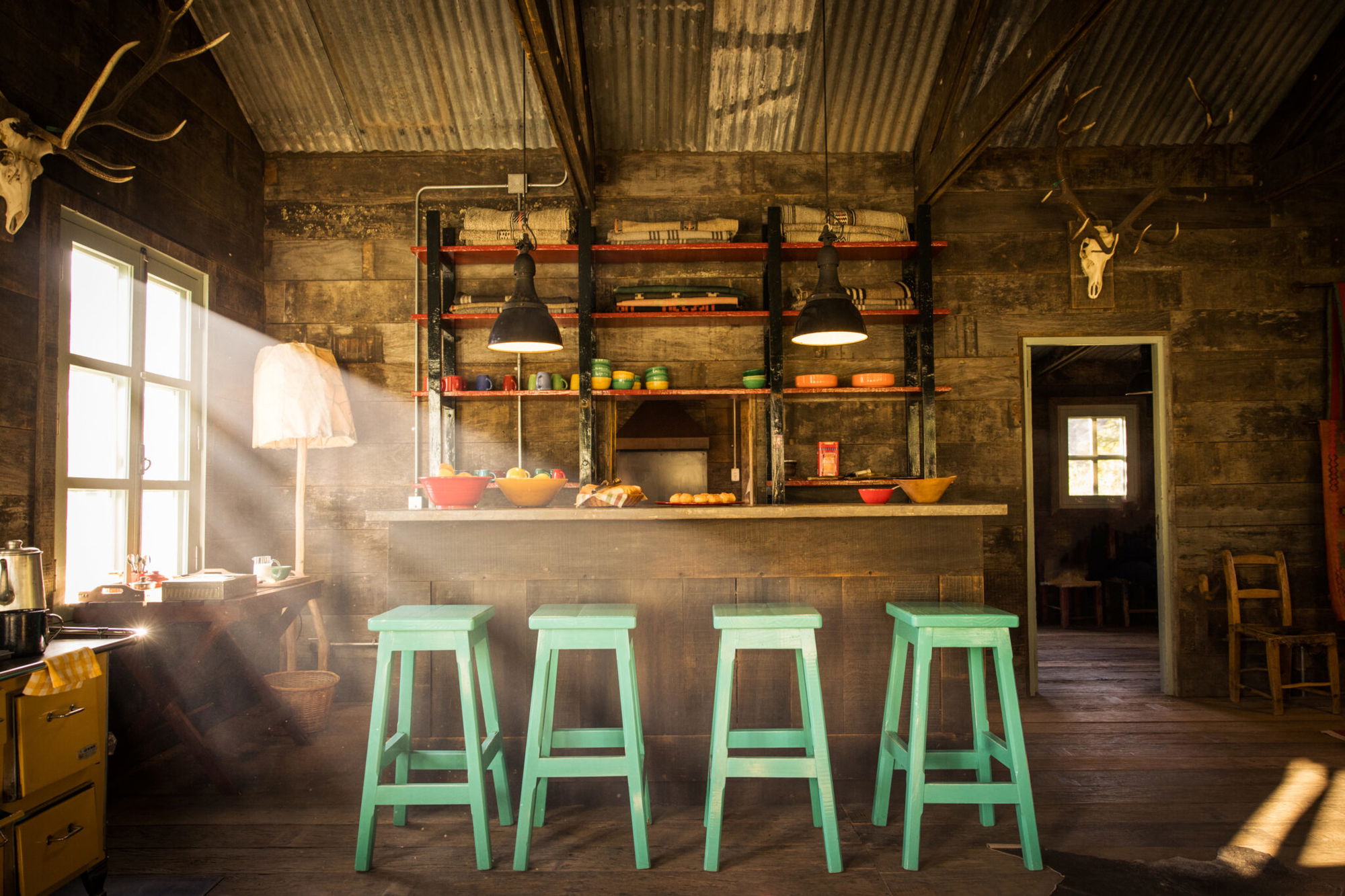
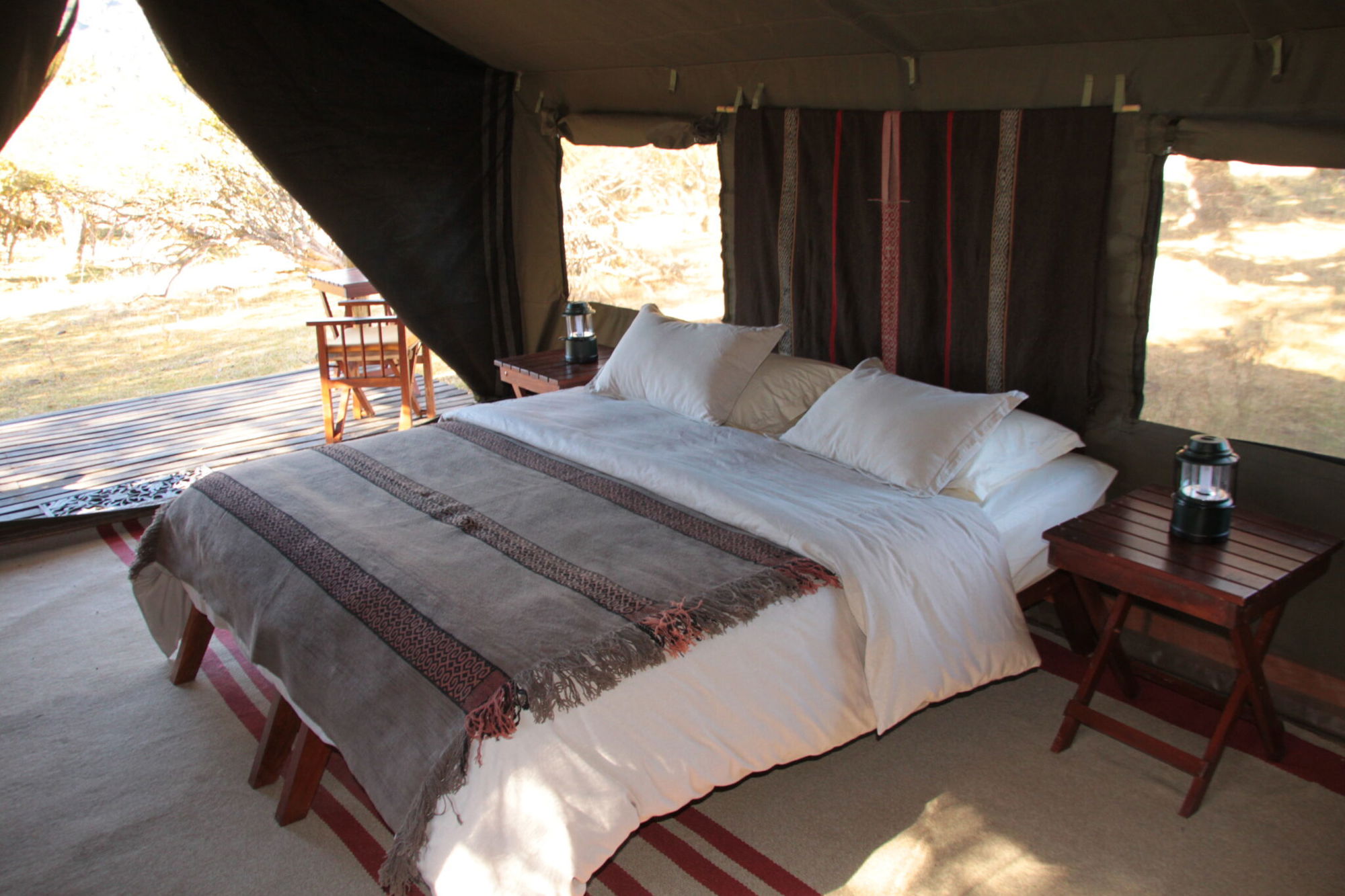
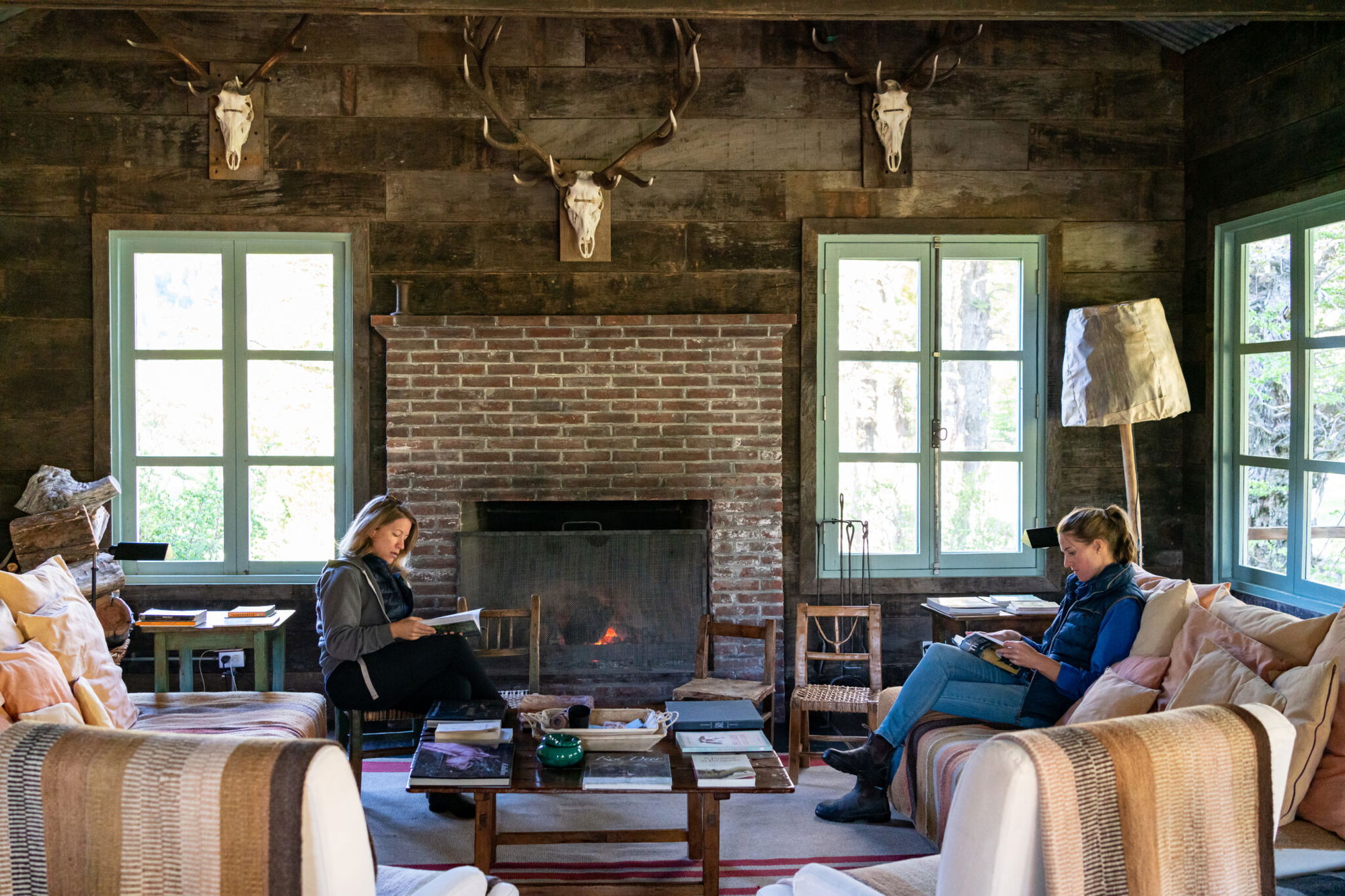
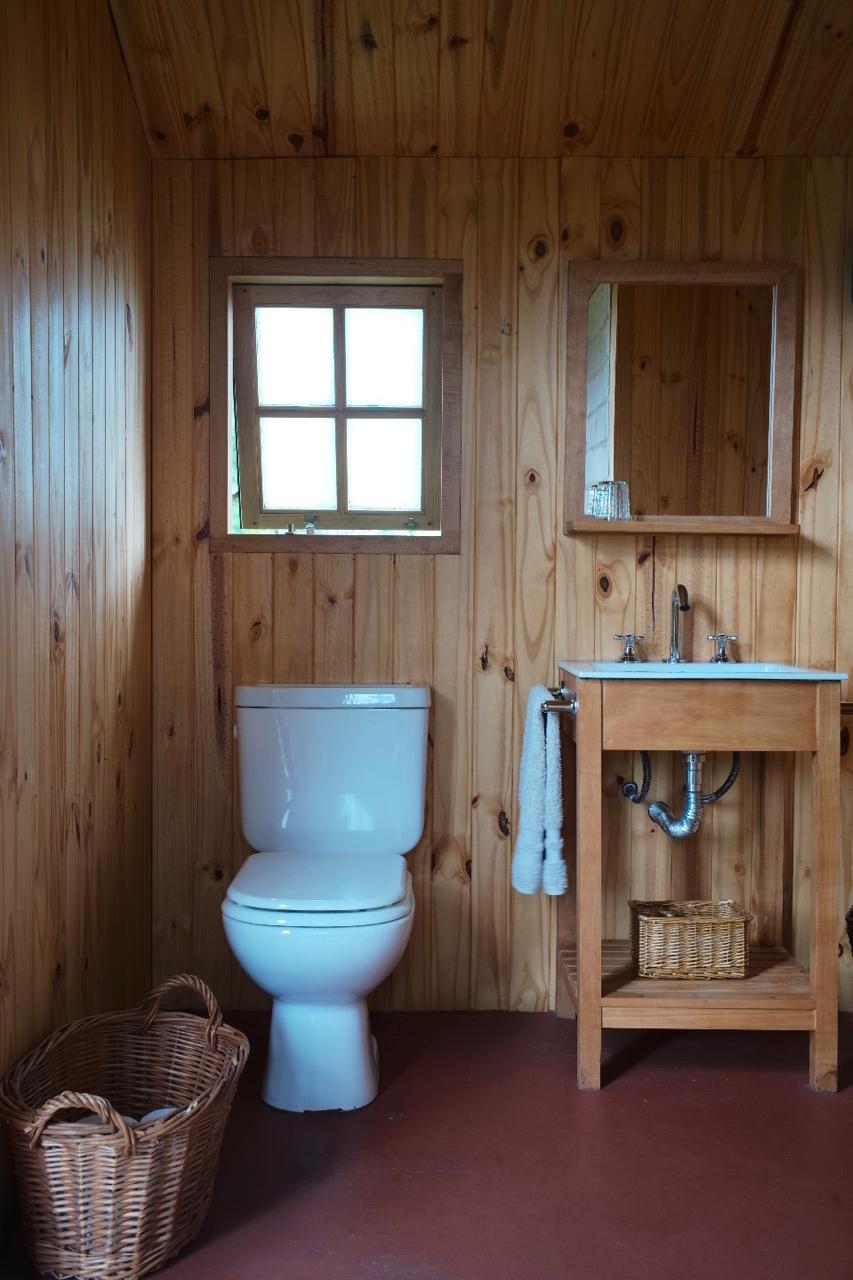
Once in Base Camp, you’ll be allocated a tent and get settled in before cracking open a nice Malbec for the first sundowner. The tents are very spacious and beautiful, with built in bathrooms. There are plugs for charging devices, but no lights; instead you’ll have rechargeable lanterns. The dining room is a very cosy log cabin overlooking the beautiful Filo Huahum River.
Please note that in the case of bad weather, the arrival will be directly by car from the airport, as the lake is too dangerous to cross when the water is choppy.
-

Day 2: Filo Huahum Valley and beyond
6 hours in the saddleThe mornings here are so beautiful that it’s worth getting up early. Breakfast is ready at 7am, but the wake-up call won’t be given until 8am, so if the sunrise isn’t enough to coax you from your bed, you can enjoy a bit of a sleep-in. Normally your guides will aim to have you in the saddle at 9am, but you’ll see that packing the saddle bags, readying the pack horses, rolling ponchos and fitting them to your saddle all takes a bit longer on the first day. Once mounted up, you will ride down the Filo Huahum Valley and border the lake to have a nice Argentine asado (barbeque) on the other side. Argentina is well known for its Malbec and good meat, and you’ll have a lot of it! Don’t worry if you’re not a meat eater, though – as long as you informed Globetrotting of your dietary requirements prior to departure, you’ll be very well catered for.
The morning ride is easy and only about 3 hours. In the afternoon you ride for the same amount of time, but it is slightly more challenging as you’ll have a little climb and descent to get the hang of mountain riding. It is important to keep an eye on your saddles when climbing. Your guides will always check on them and often stop to adjust tack, but it helps if you are aware of it. Saddles can slide back or forward on the steep slopes. You get back to camp at about 6pm, in time for a nice shower to shake off the dust and another sundowner in the cabin or at the river shore.
-
Day 3: Pass of Tears
6 to 7 hours in the saddleToday you leave for fly camp – you won’t come back to base camp until the next day. You can leave your luggage in your tents -just pack what you need for one night away. The sleeping accommodation in fly camp is a little two-man tent with a good mattress and a good sleeping bag provided by your guides. Remember that there are no showers at fly camp, but there’s enough water to wash your hands and face, of course. At breakfast your guides will give you a little bag to put in your saddle bag, which contains all the basics: a little towel, wet wipes, some chocolate, nuts, lip balm and soap. Remember to pack your swimming gear,because for lunch the following day you will stop and have another asado by the river, with lots of time for a refreshing swim.
As for riding, this is an important day. You will face the ‘Pass of Tears’: possibly the most amazing scenery on the whole ride, but for the faint of heart and those prone to vertigo, it can be very challenging. You will ride up the mountain in the morning, pass the tree line, then have lunch among the rocky slopes without untacking. After lunch you’ll ride for three more hours to reach fly camp. This is a long day, so make sure you drink lots to stay hydrated. Fly camp is in a spectacular spot overlooking the ‘Buque’ mountain. Once you have arrived and settled into your nomadic homes, you can relax and join the gauchos around the campfire. Hannibal, our main gaucho, is the cook tonight and you’ll get to taste his delicious stew.
-
Day 4: Return to base camp
4 hours in the saddleToday you will ride back down into the valley to a lovely spot by the river where you can swim and enjoy another delicious asado. The ride today is not long, about three hours in the morning and an hour in the afternoon, which you’ll welcome with open arms after clocking up some serious mileage on the previous days. When you return to base camp you will notice that everything feels, looks and tastes better. The little things that we take for granted suddenly become amazing.
-
Day 5:
3 to 4 hours in the saddleThis is a day to recover your strength for tomorrow’s ride. Day five varies depending on the weather, the horses and what your group feels like, but typically you’ll go for an easy ride in the morning, sometimes to check on the herd of horses and sometimes to visit Domingo’s place. Domingo is the owner of the property and sometimes he’s there, sometimes he’s not. Lunch is at base camp and there is plenty of time for relaxing, siesta, swimming or walking in the afternoon.
-
Day 6: Felipe's fly camp
6 to 7 hours in the saddleToday you leave base camp for good. You won’t meet your luggage until two days from now, so pack a change of clothes and don’t forget your swimming gear. After a long day in the saddle with spectacular scenery and views over the volcanoes in both Chile and Argentina, you will arrive at Felipe’s fly camp, where you’ll settle in for the night with more Argentine cuisine before snuggling into your sleeping bag.
-
Day 7: Lake Traful
5 to 6 hours in the saddleScrambled eggs and bacon will fill you up at breakfast, then you’ll leave camp and ride about four hours to Felipe’s house on the shores of Lake Traful. You will have a light lunch and get settled in at Felipe’s barns, which have been converted into comfortable sleeping accommodation. The barns are simple but clean, with shared showers. Felipe is a third generation settler. His house and old barns and corrals are like something out of a fairy tale. The only access to the property is by boat or horseback. For dinner, Felipe will cook a delicious lamb ‘al asador’.
-

Day 8 : Departure
Non-riding dayAfter breakfast, you will walk 20 minutes to the lakeshore where a boat will be waiting to take you to Villa Traful, a small community on the other side of the lake and the closest road access to Felipe’s home. You will say goodbye to your gauchos and guides on the shore, before crossing the lake to meet your luggage and the car that will take you to Bariloche Airport for your journey home.
-

Additional Activities:
Fly fishing for brown and rainbow trout is an optional activity and can also be done in place of riding at an additional cost. If you wish to go fly fishing, please inform your hosts before the beginning of the ride so that the necessary licenses, rods and guide can be organised.
Transfer information
We recommend flying into Buenos Aires at least two nights prior to the start of your ride, so you are not suffering from jet lag when it comes time to throw your leg over the saddle.
You will then need to fly into San Martin de los Andes on day one of your ride. On the final day you will need to fly out of Bariloche (or you could opt to stay in the area and do some further travel). Transfers from both regional airports or your hotel accommodation are included in the price.
Don’t forget to check with Globetrotting as to the specific regional flight you are required to catch if flying to Bariloche on day one of your ride and/or depart Bariloche on the last day of your ride.
Please note
It is ESSENTIAL you check with Globetrotting before booking regional flights to and from the ride, as specific flights must be booked closer to the departure date.
Accommodation
The Patagonia Trail consists of three different types of accommodation – base camp, mountain fly camps and a gaucho’s farm.
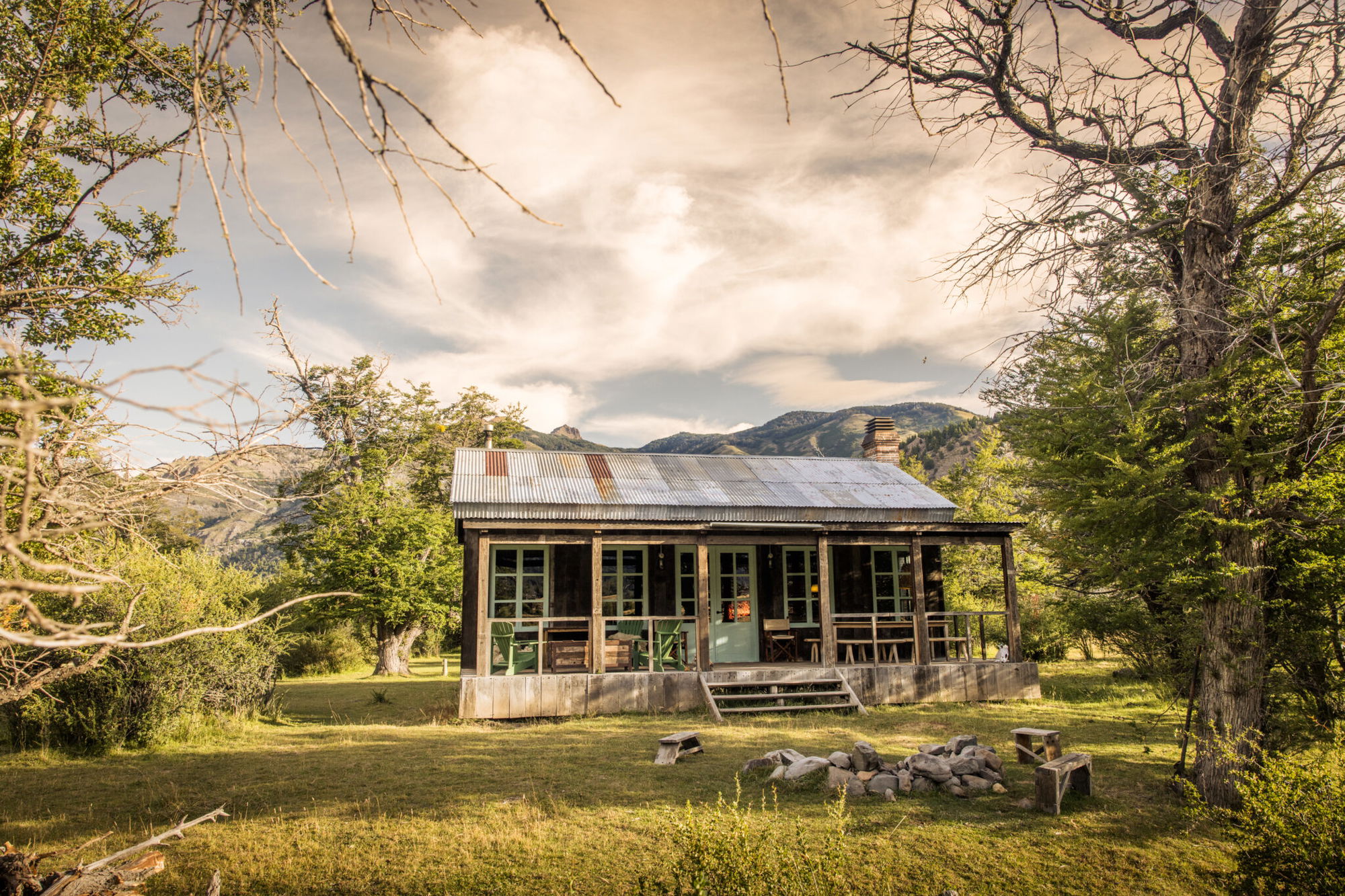
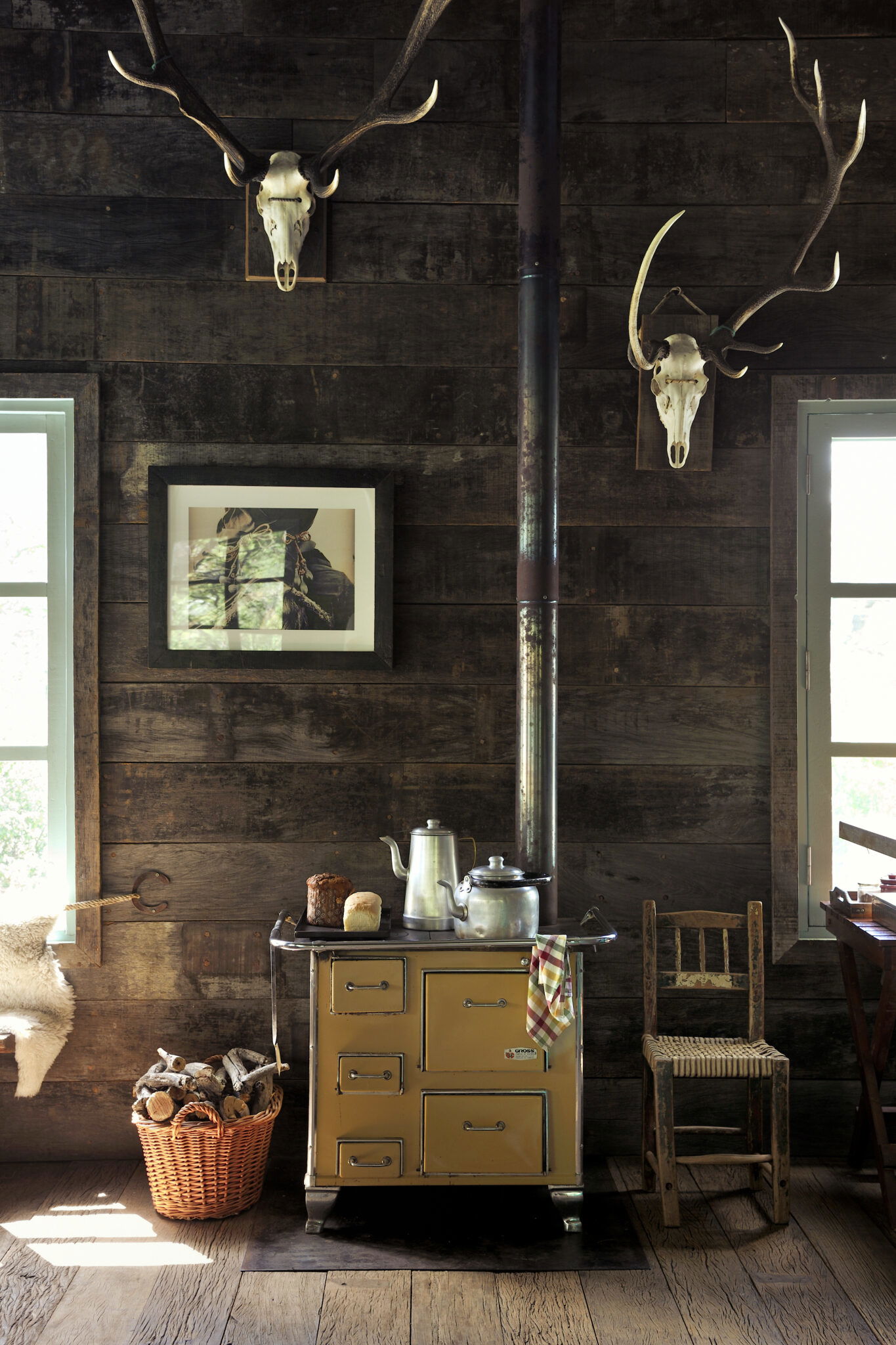
Base camp is glamping-style tents with ensuite bathrooms. The tents are spacious but cosy, with wood-burning stoves lit morning and evening.
Mountain fly camps are basic, made up of dome tents each with sleeping bags, cots and mattresses. There are no showers, but fresh mountain springs to wash your face and hands in.
Felipe’s house is only accessible by horse or boat and in terms of luxury, it’s between fly camp and base camp. There are spacious and comfortable safari-style tents and shared bathrooms.
Base camp
Base camp
Base camp
Food
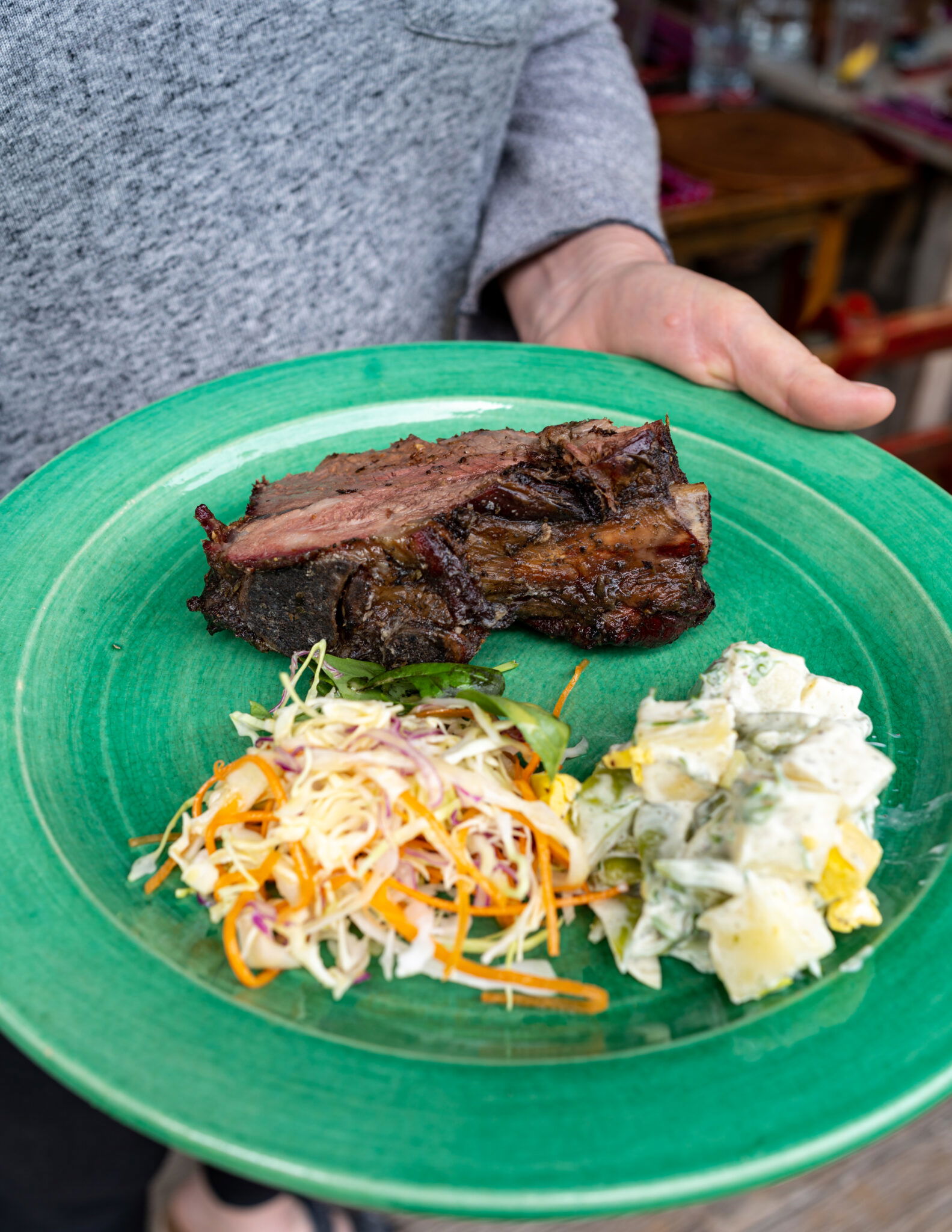
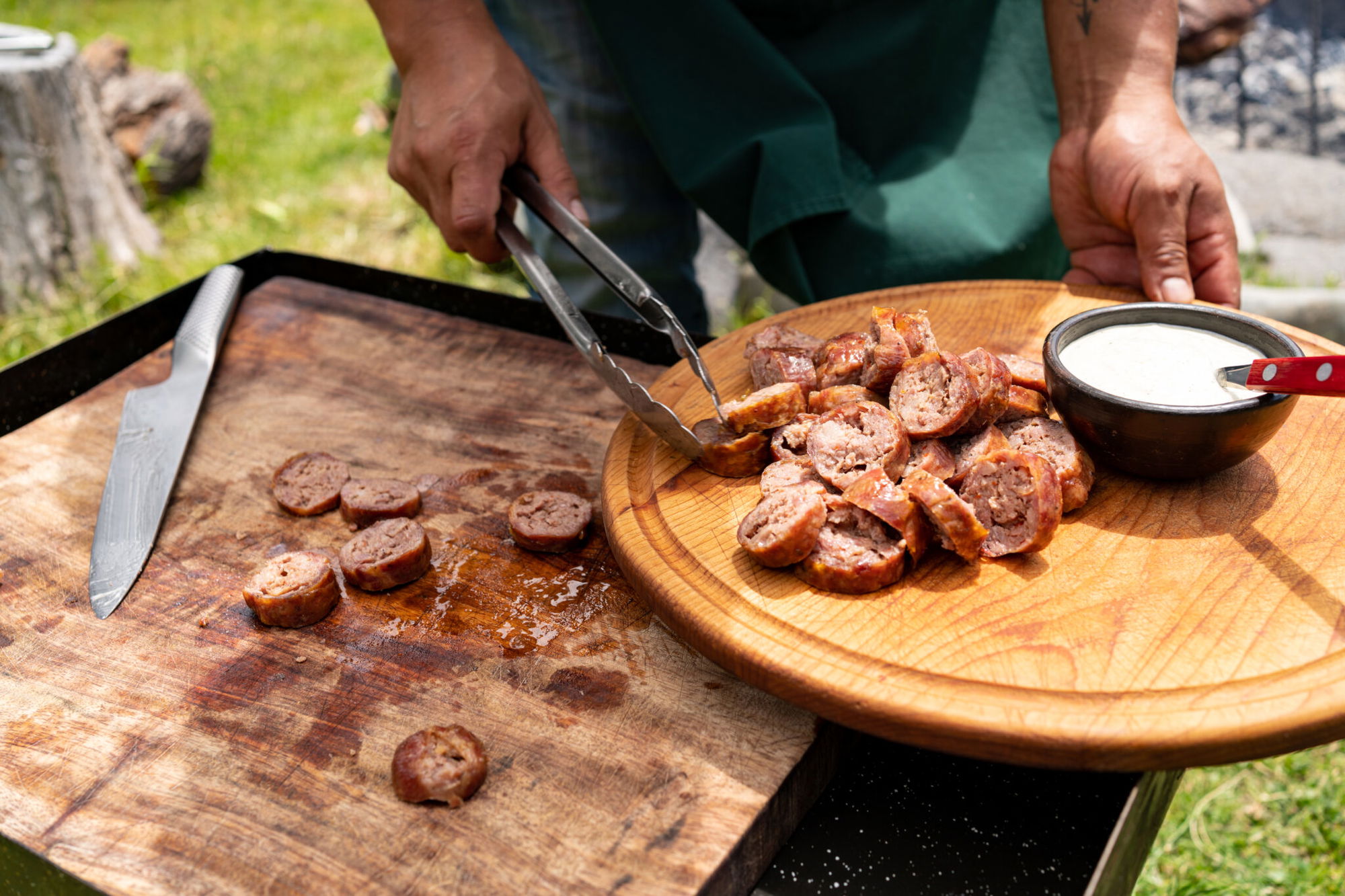
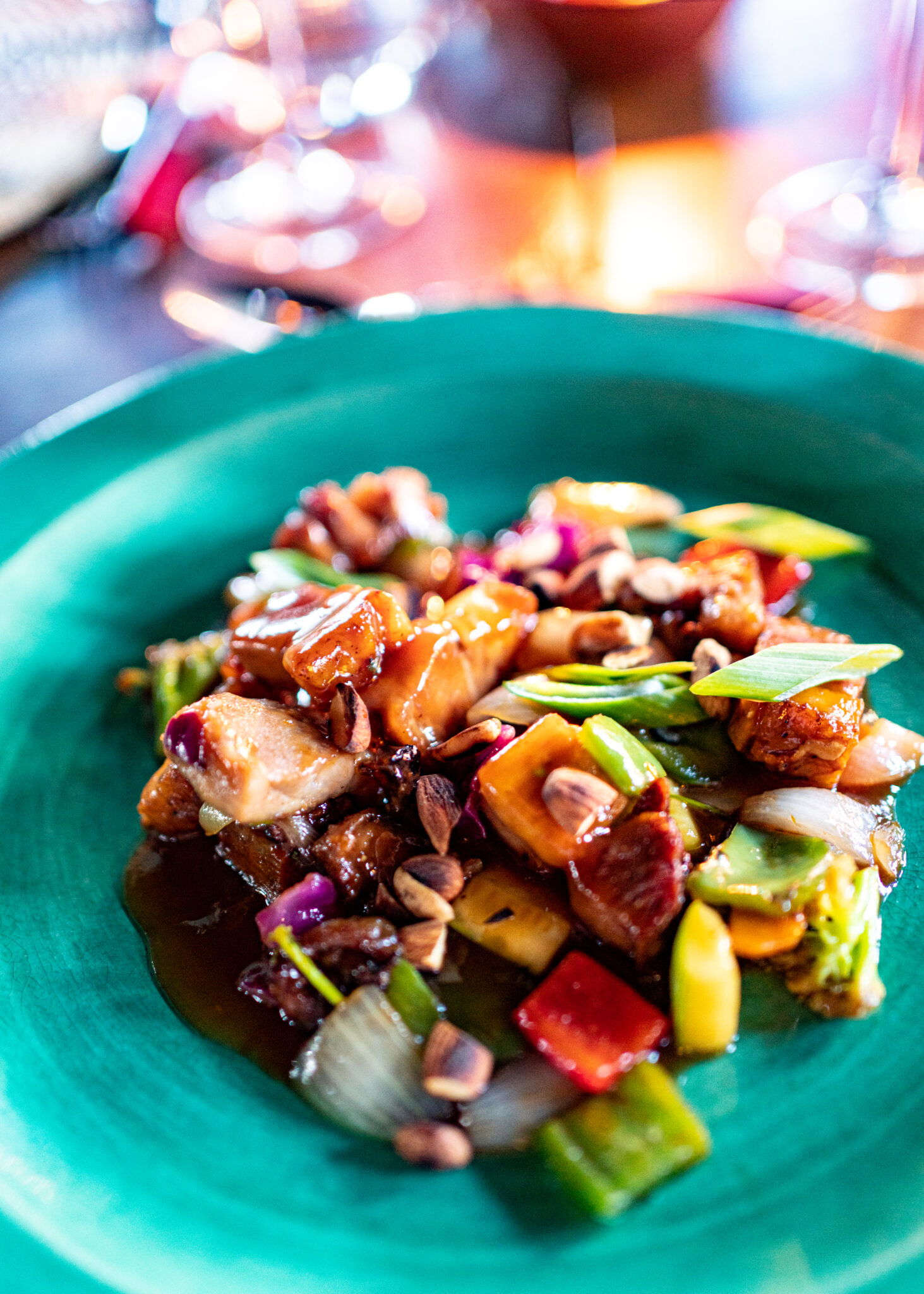
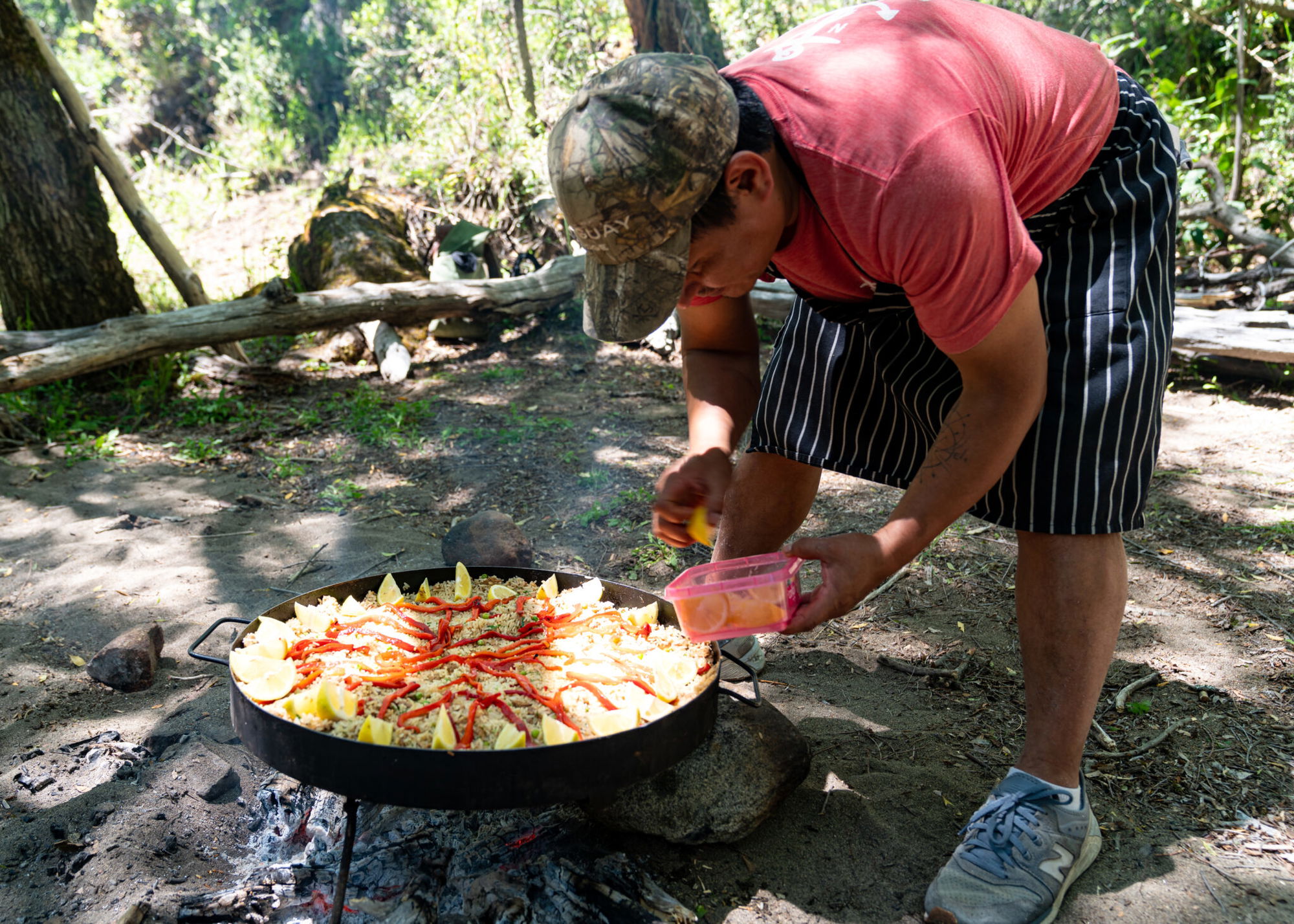
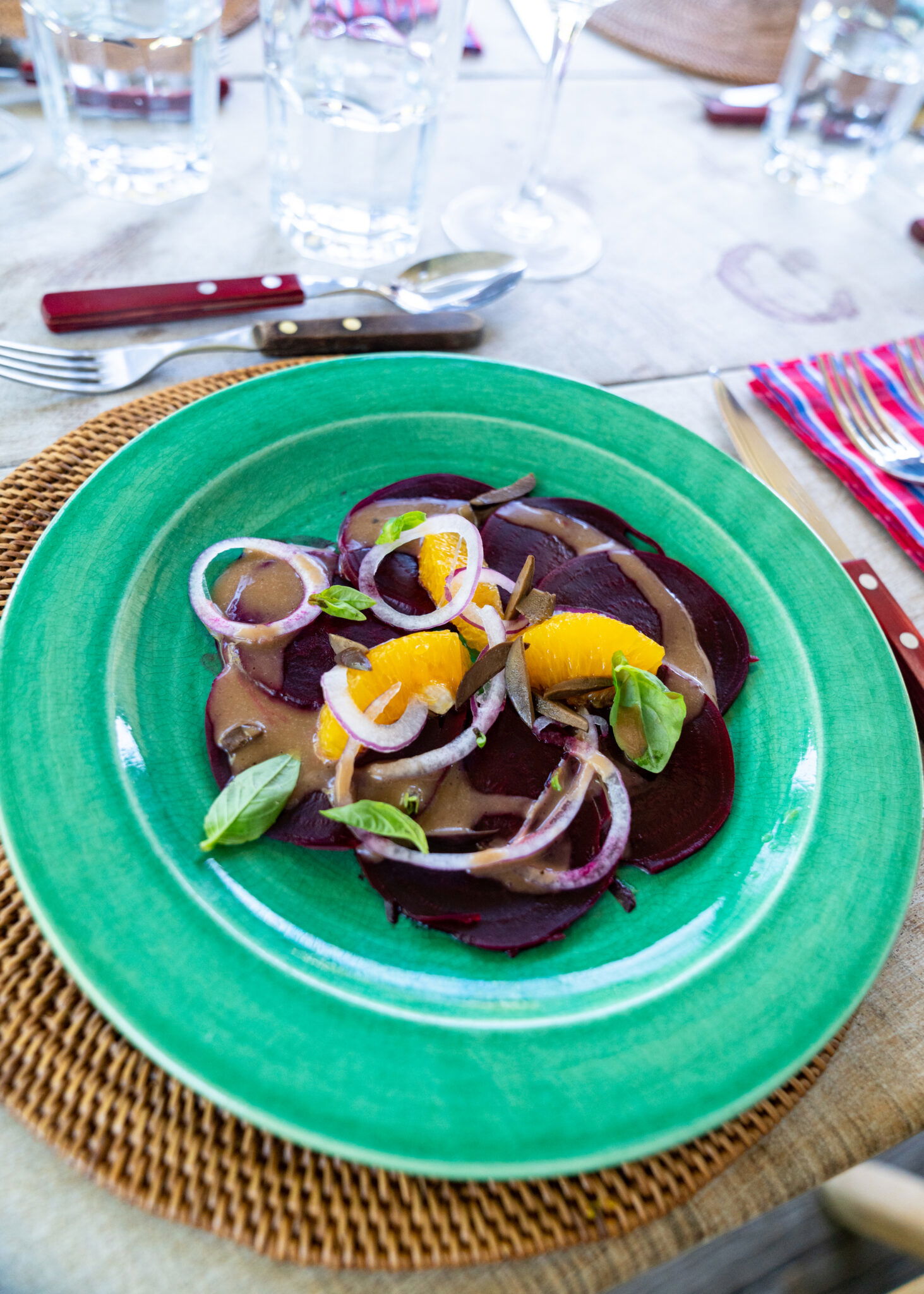
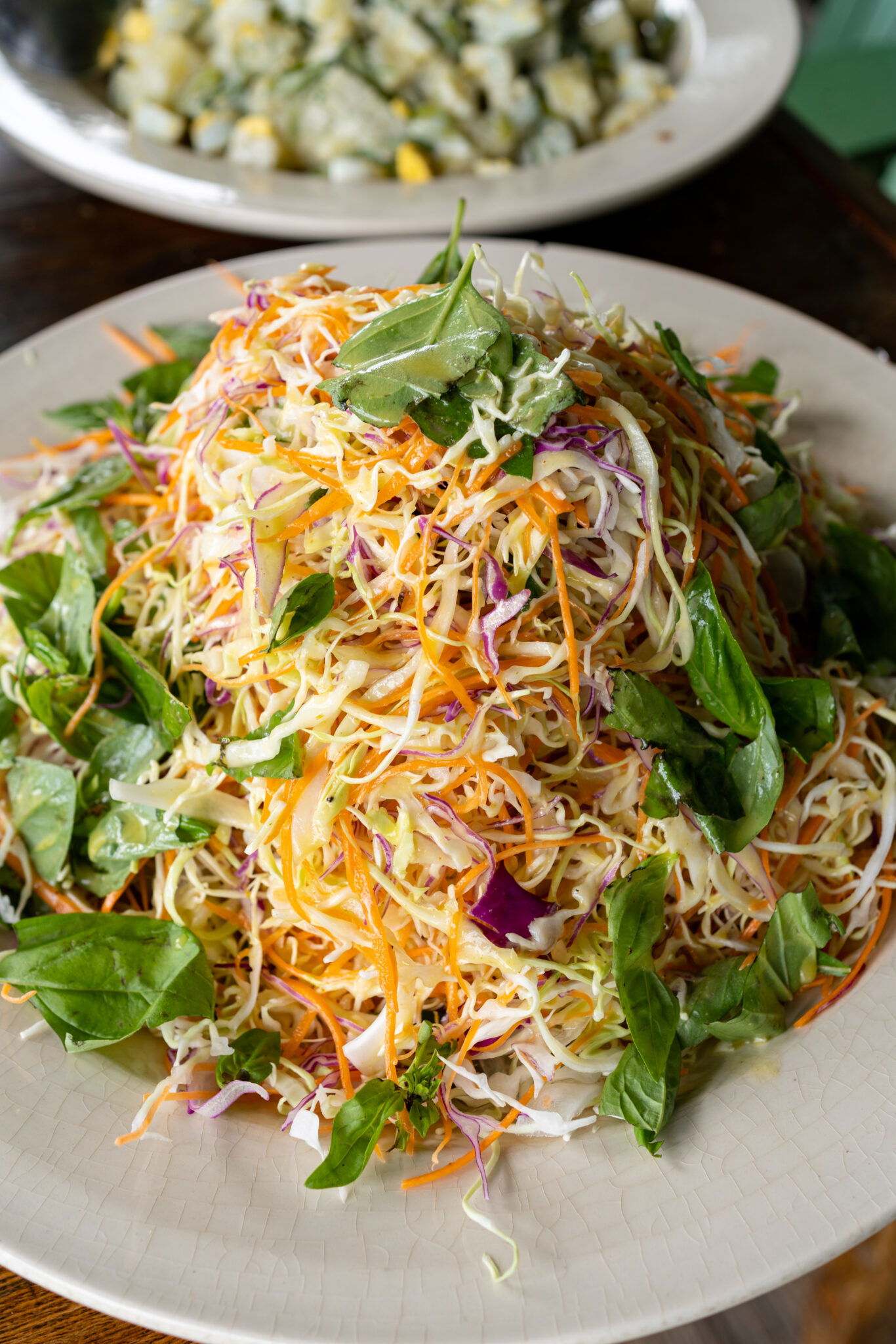
Although Argentina is a carnivorous country, apart from the delicious Argentine meat, your hosts will serve a delicious variety of dishes. Even if this might not be the ideal place to be vegetarian, your hosts can cater for this when necessary.
Reviews
Karen Roberts
Janet Brooks
Julie York
Sharon & Alistair Rayne
11 rides with Globetrotting 
Nathan Tarlinton
2 rides with Globetrotting 
Robyn Smale
10 rides with Globetrotting 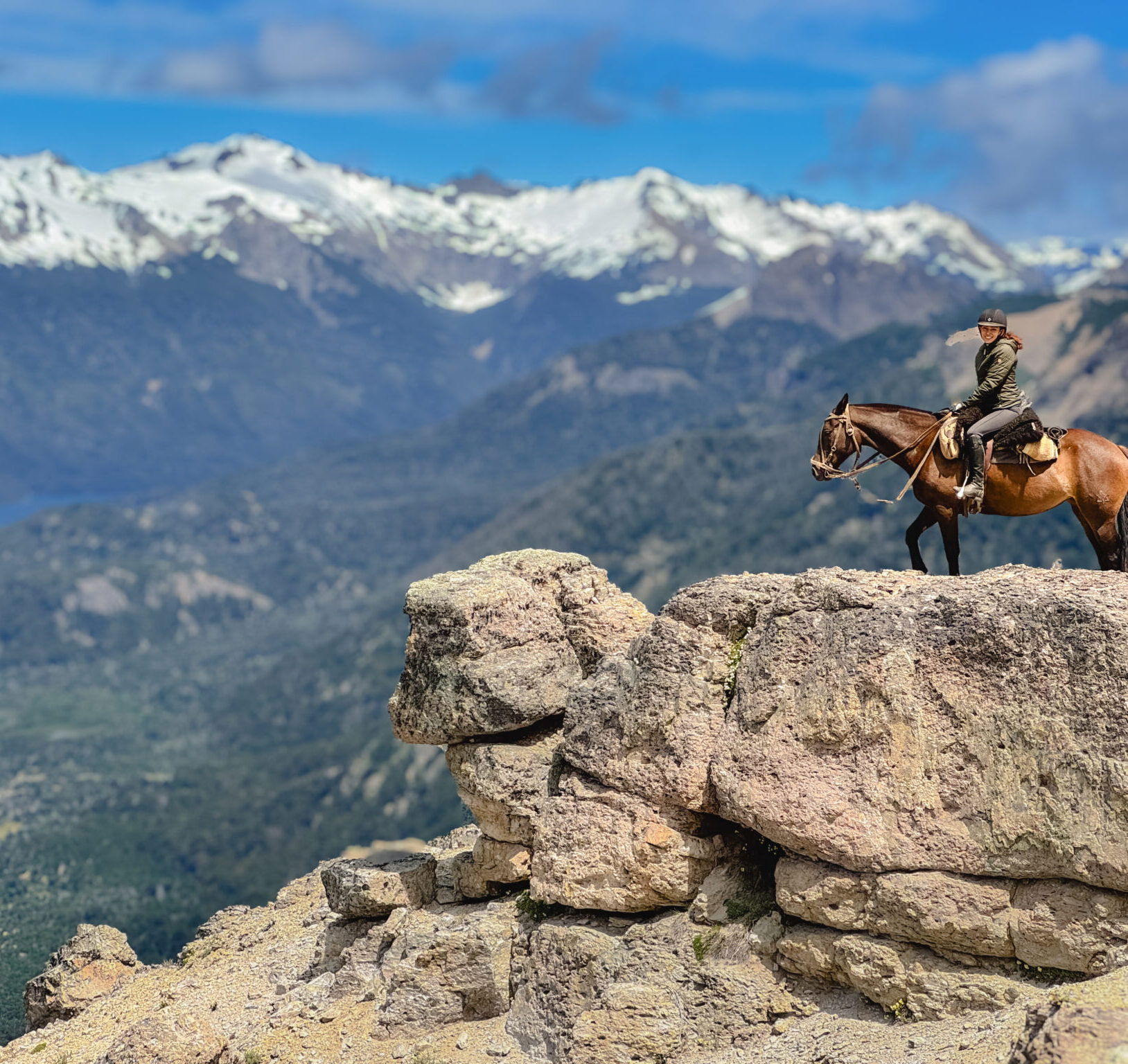
Kimberly F
2 rides with Globetrotting 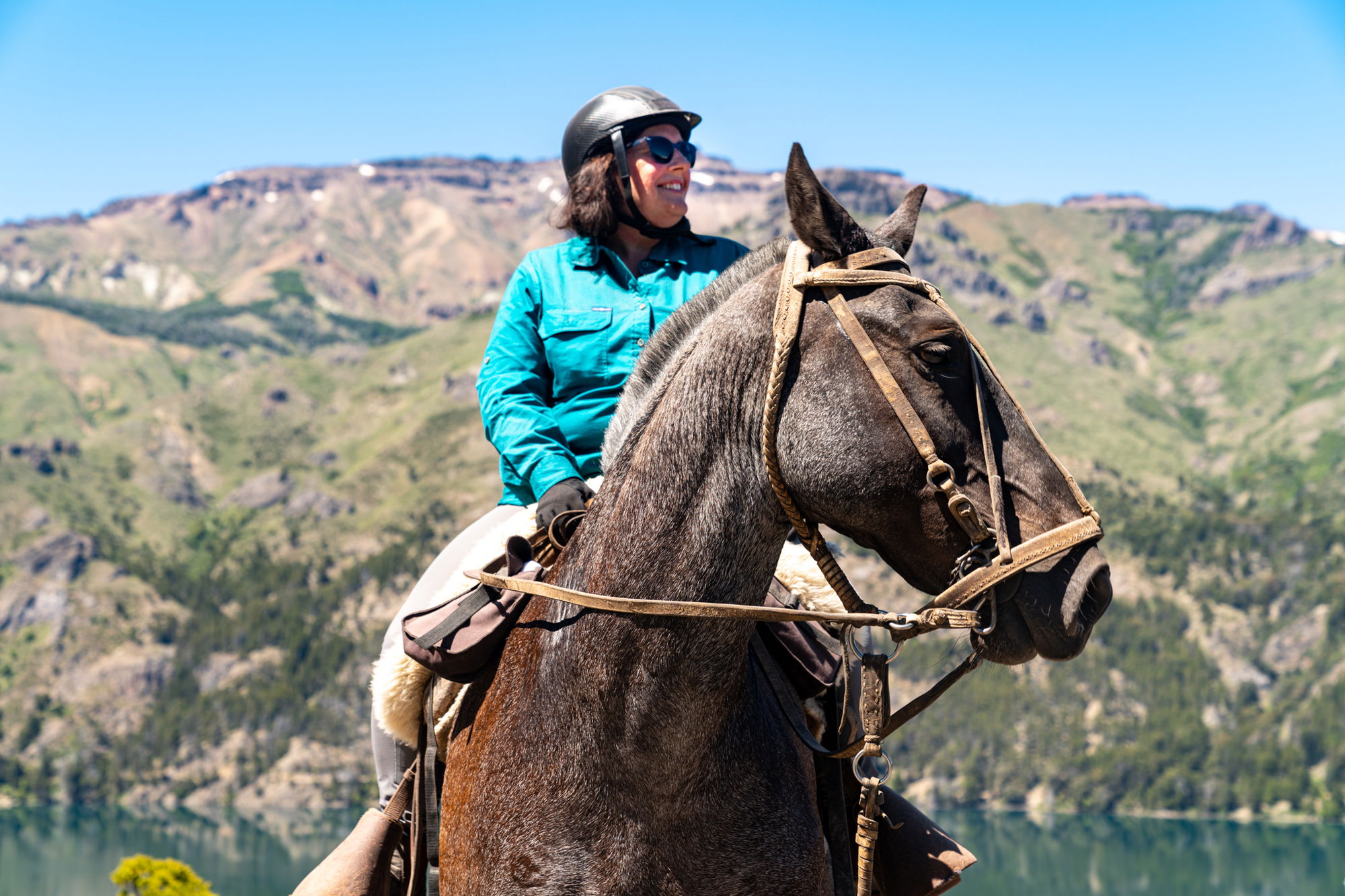
Mary Holmes
19 rides with Globetrotting 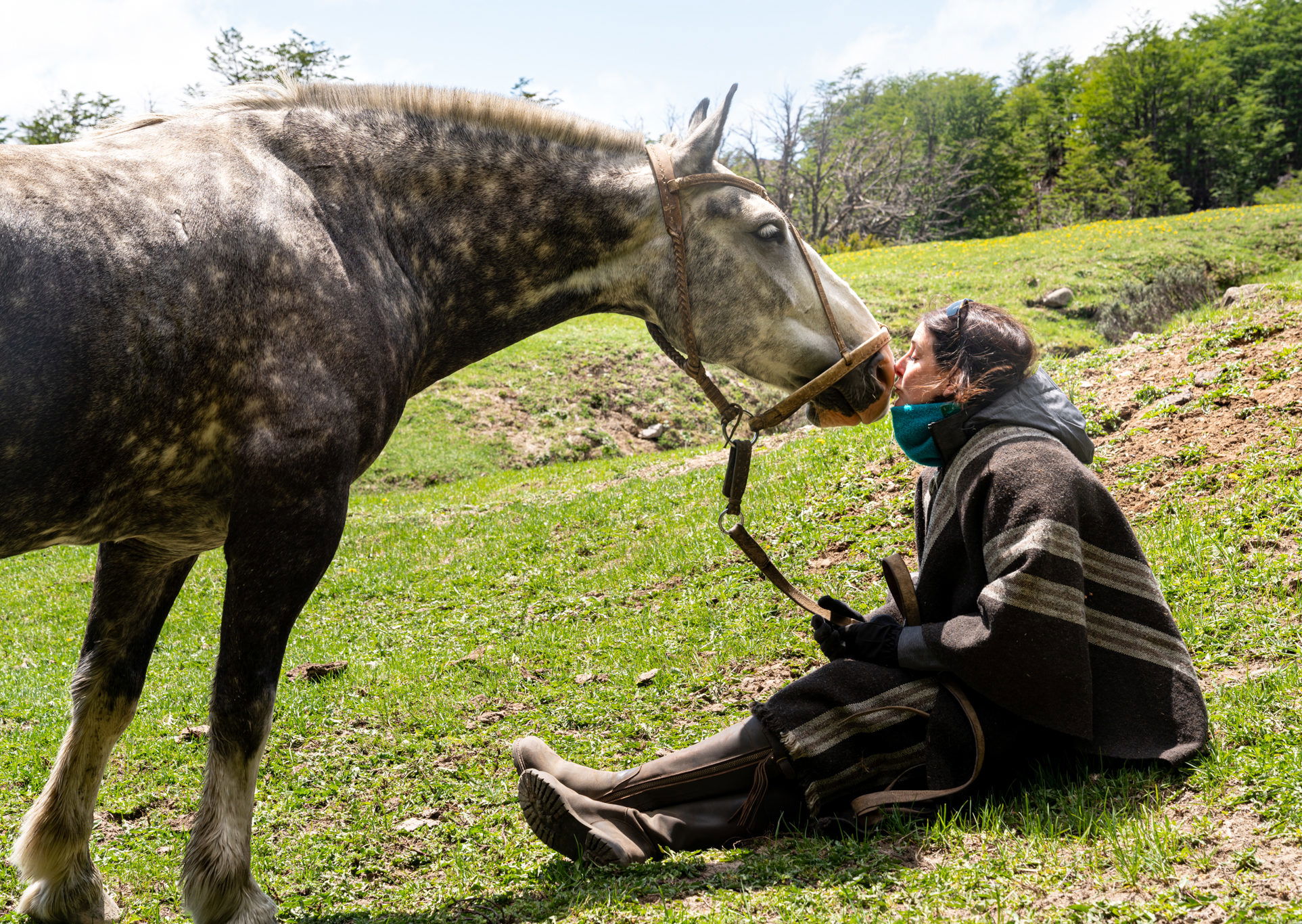
Lyndal Mellefont
What's my riding level?
Not sure what your riding level is? Watch our videos to see all our levels.
Beginner
Reasonably confident riding a horse at a walk, a rising trot, and learning to canter.
Intermediate
Confident and in control riding at all paces outside an arena, but not riding regularly. Comfortable and competent using aids {the language of your leg, seat and hands} to communicate with your horse.
Strong Intermediate
An intermediate rider who is currently riding regularly outside of an arena and is fit enough to ride for at least six hours per day. Strong intermediate riders are comfortable and competent in all three gaits; able to post or sit to the trot; have an independent seat while cantering (don’t hold onto the saddle); and can pick up the correct canter lead. They can also navigate more complex terrain, including asking a horse to sidestep and jump over a small obstacle.
Advanced
A frequent rider who is very fit, comfortable in the saddle for at least six hours per day, and has an independent seat and soft hands. Advanced riders are confident on a forward-moving horse at all paces over rough and variable ground on open terrain. They can ride over small jumps and know the techniques used to collect a horse
Not sure? Contact our team to help you figure out your riding ability.
Stories from the saddle
A Day Spent in Buenos Aires
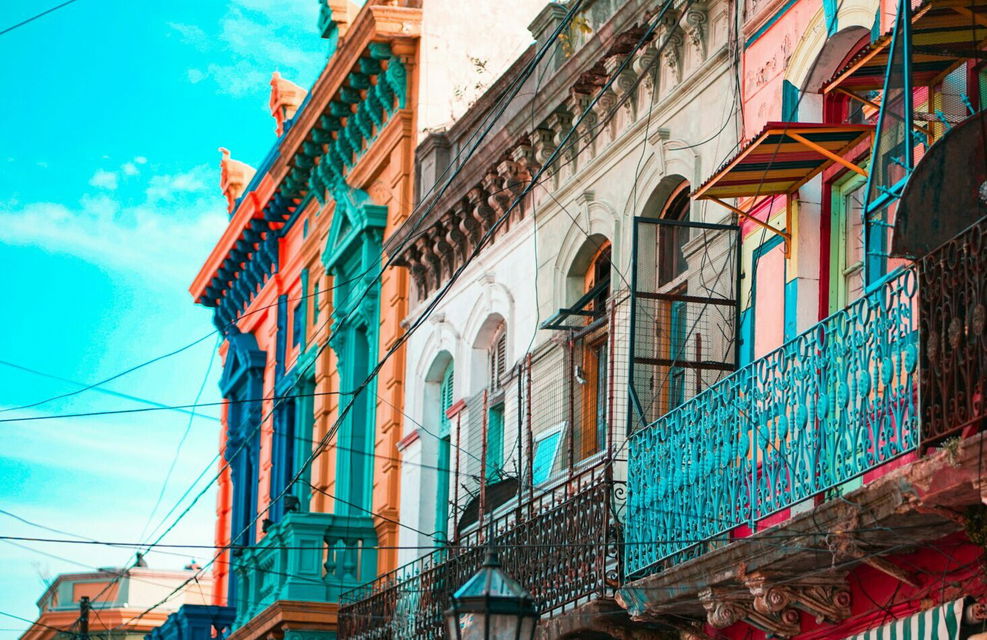
‘Sexy, alive and supremely confident.’ That’s how Lonely Planet describes Buenos Aires, and we would have to agree. Spend even a small amount of time here and this beautiful city will get under your skin. If you’re heading off on
Packing for Mountain Rides
There’s a saying at Globetrotting HQ: there’s no such thing as bad weather, just bad clothing. Another favourite we like to spruik is dress like an onion — lots of layers. It’s taken decades to perfect the art of packing,
Meet our Guide: Jakob
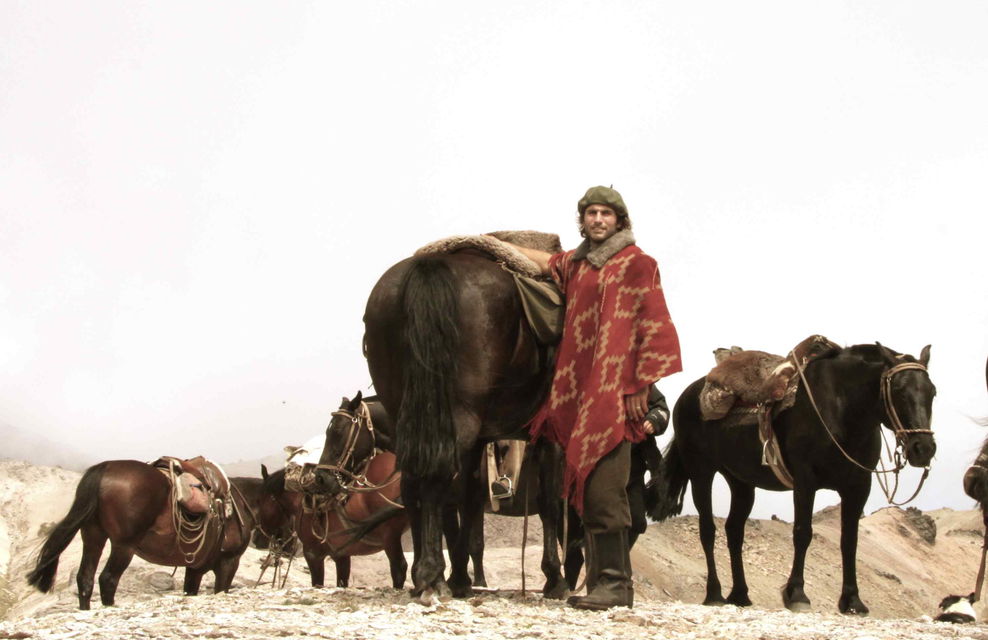
Jakob Von Plessen is one of Globetrotting’s most famous guides. He has one foot in Kenya where he guides the Maasai Mara safari for half the year, and the other foot in Argentina on The Patagonia Trail and in Tierra
