
The World’s Toughest Ride — Namibia Unleashed
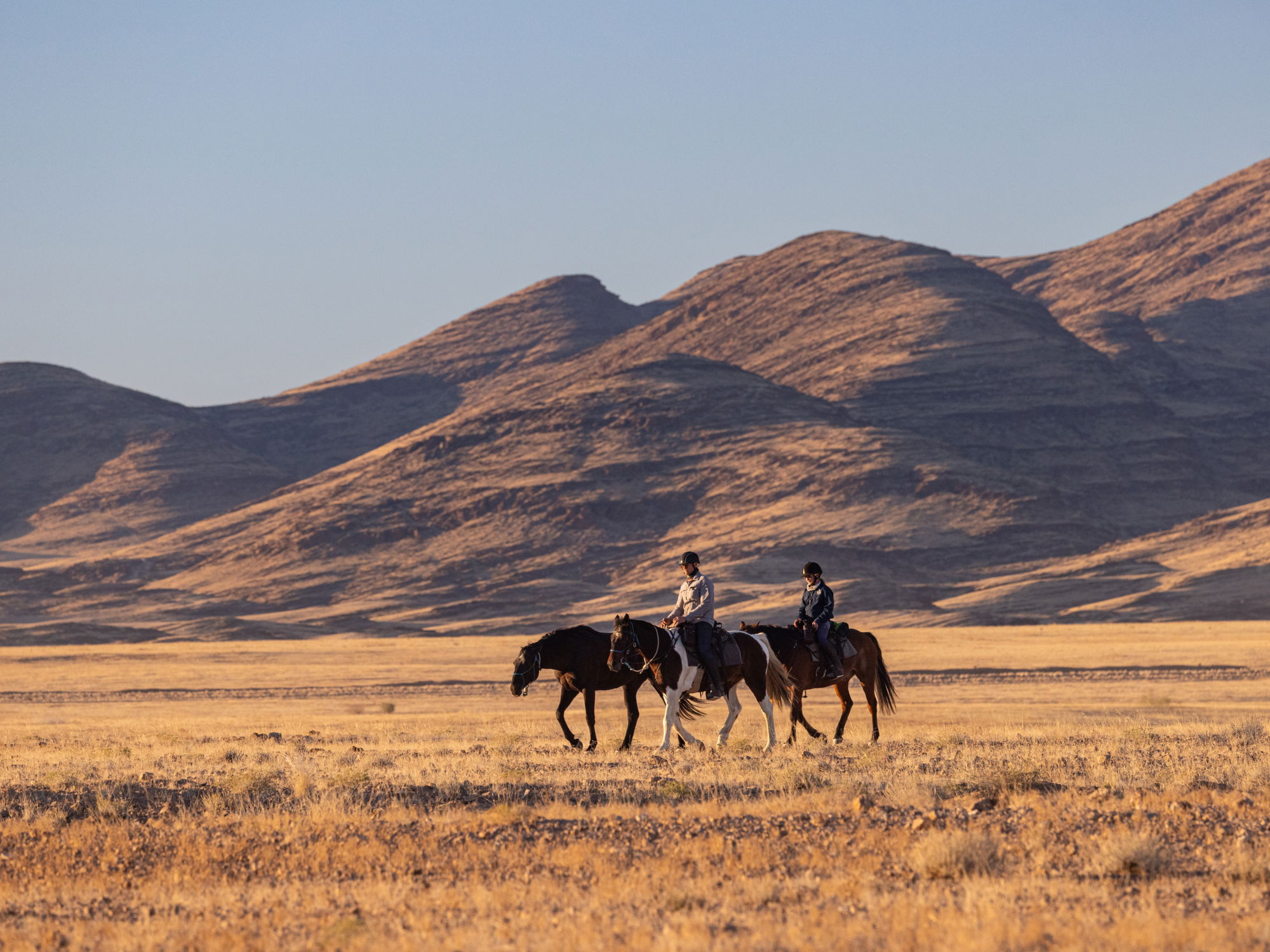
Welcome to a globetrotting experience that shakes your soul — four extraordinary Namibian itineraries that blend adrenaline, vast desert beauty and unforgettable encounters with wildlife. Demanding, exhilarating and utterly life-affirming, these epic endurance rides take you deep into the Namib Desert, Damaraland, the Skeleton Coast or the wild horse country of the southern dunes for an equestrian adventure like no other.
Trip Highlights
-
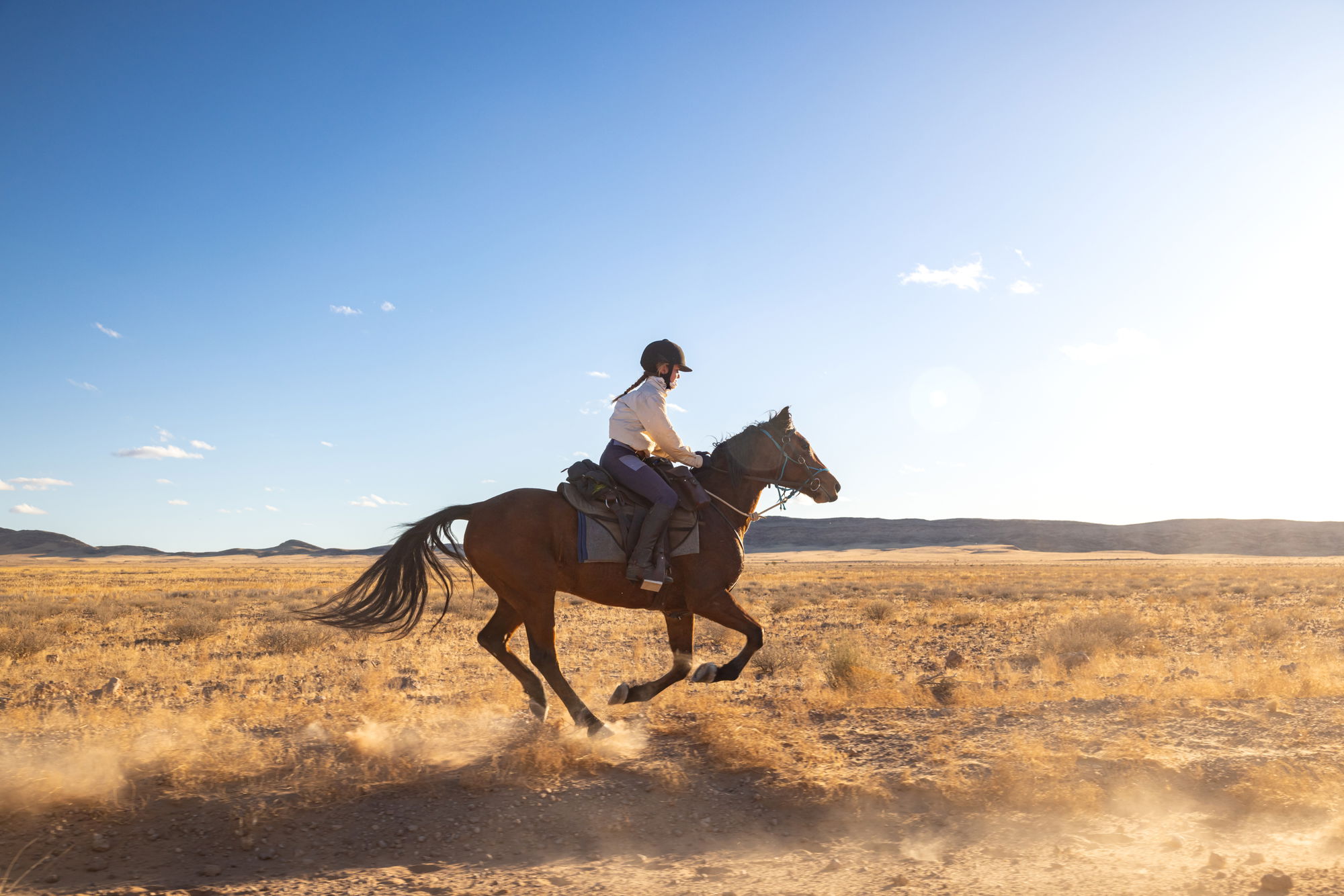
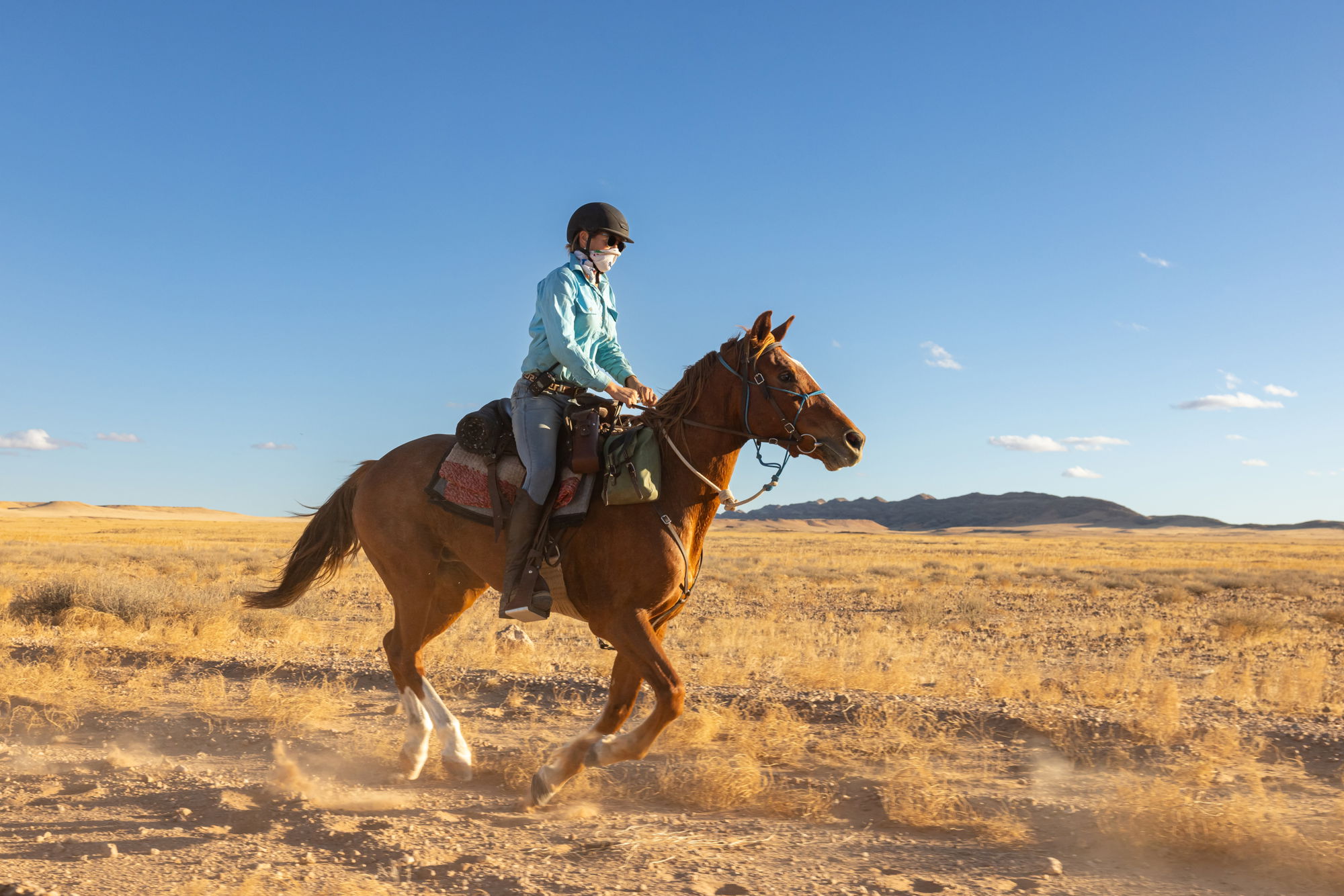
Giving your horse his head as you gallop across the sweeping savannah
-
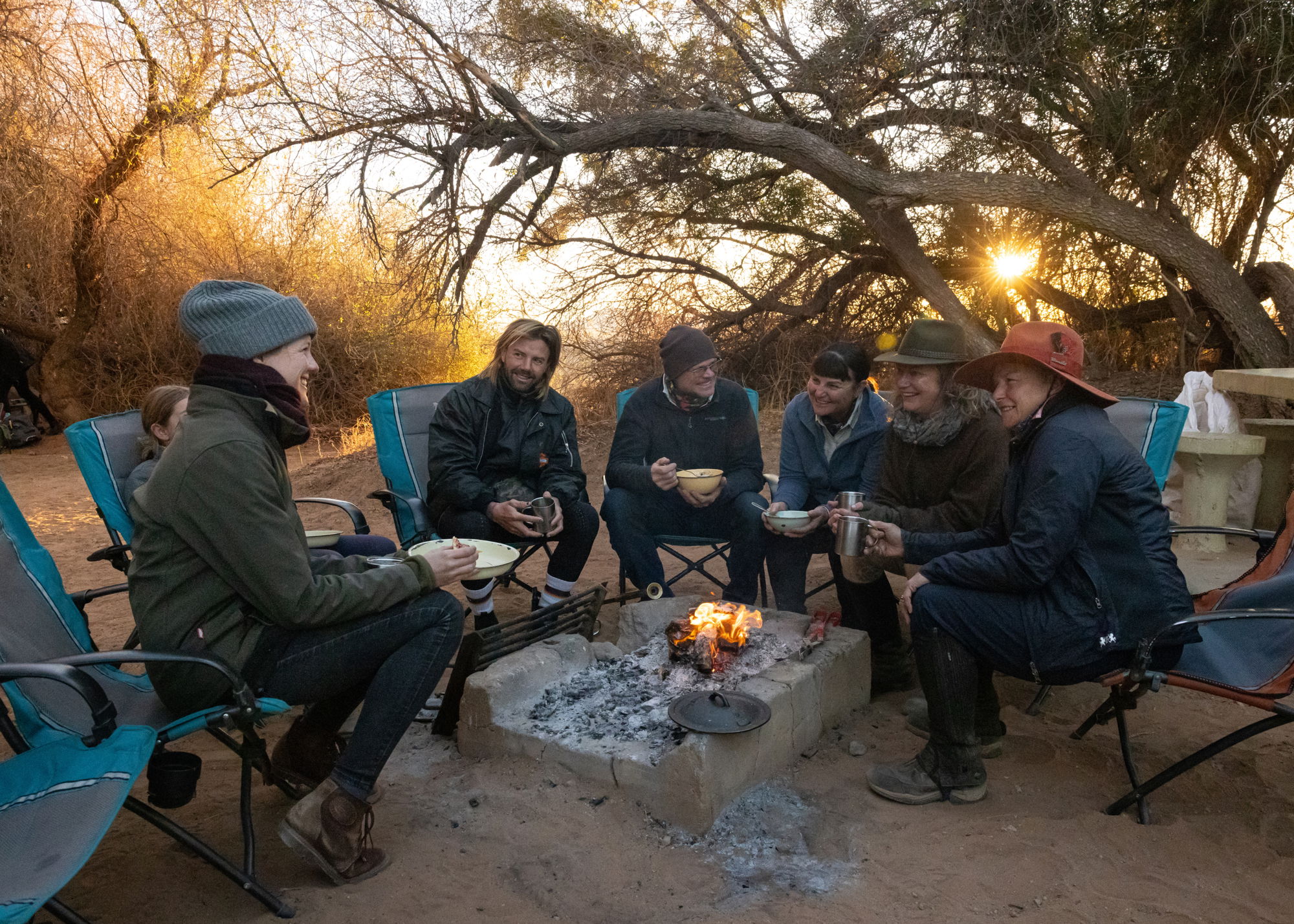
Chowing down on a campfire-cooked Namibian feast before lying back under a canopy of twinkling stars
-
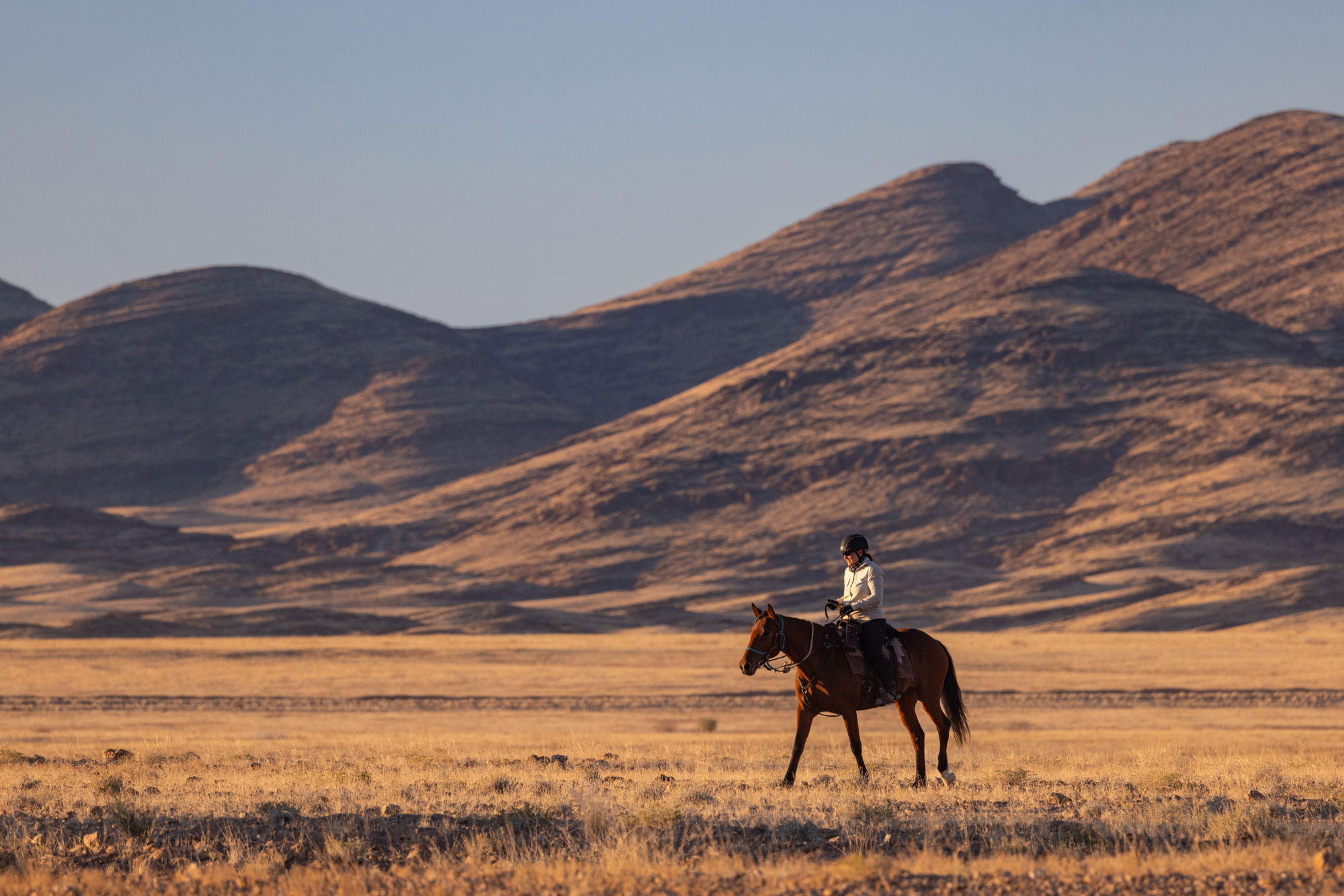
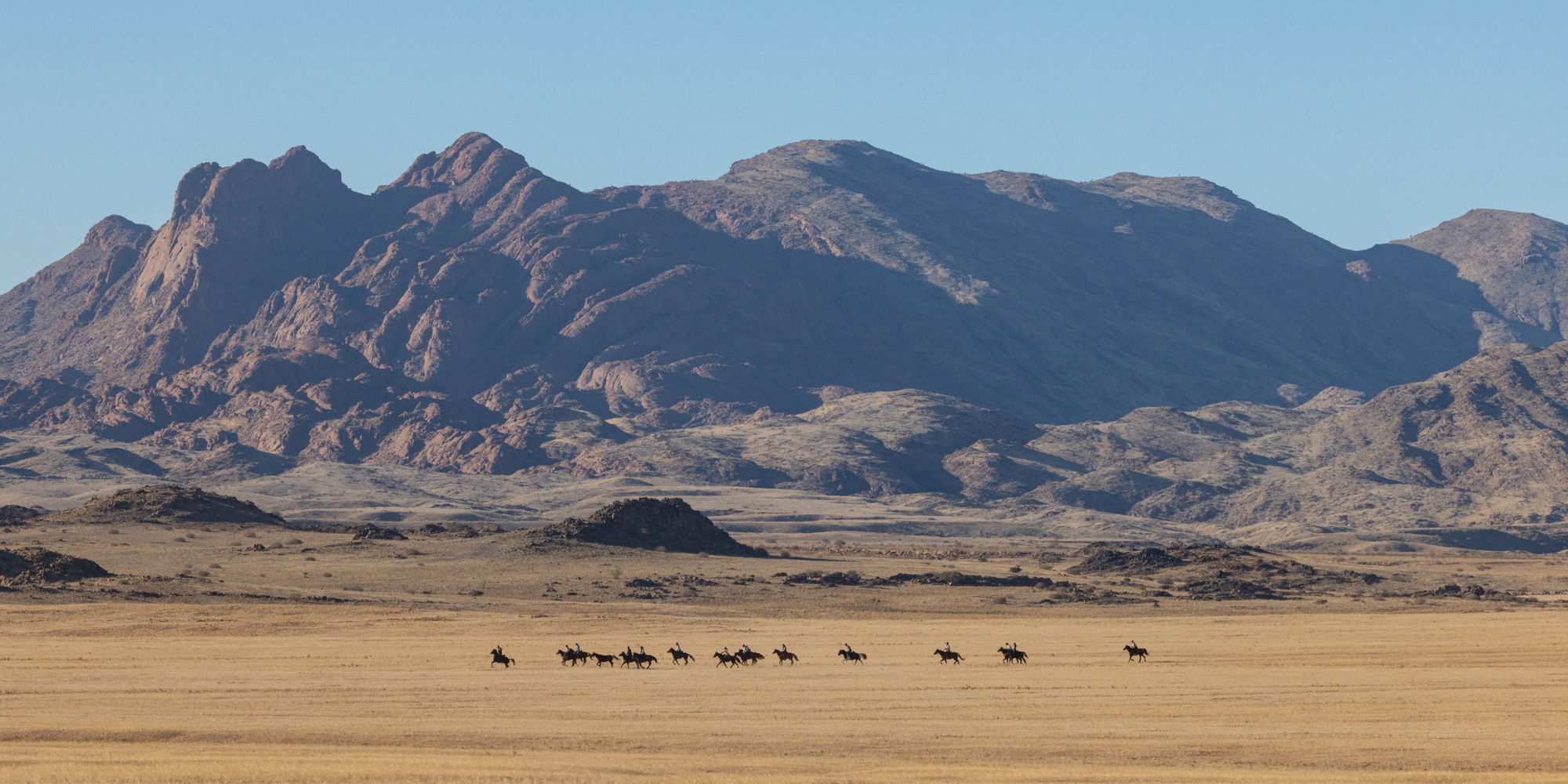
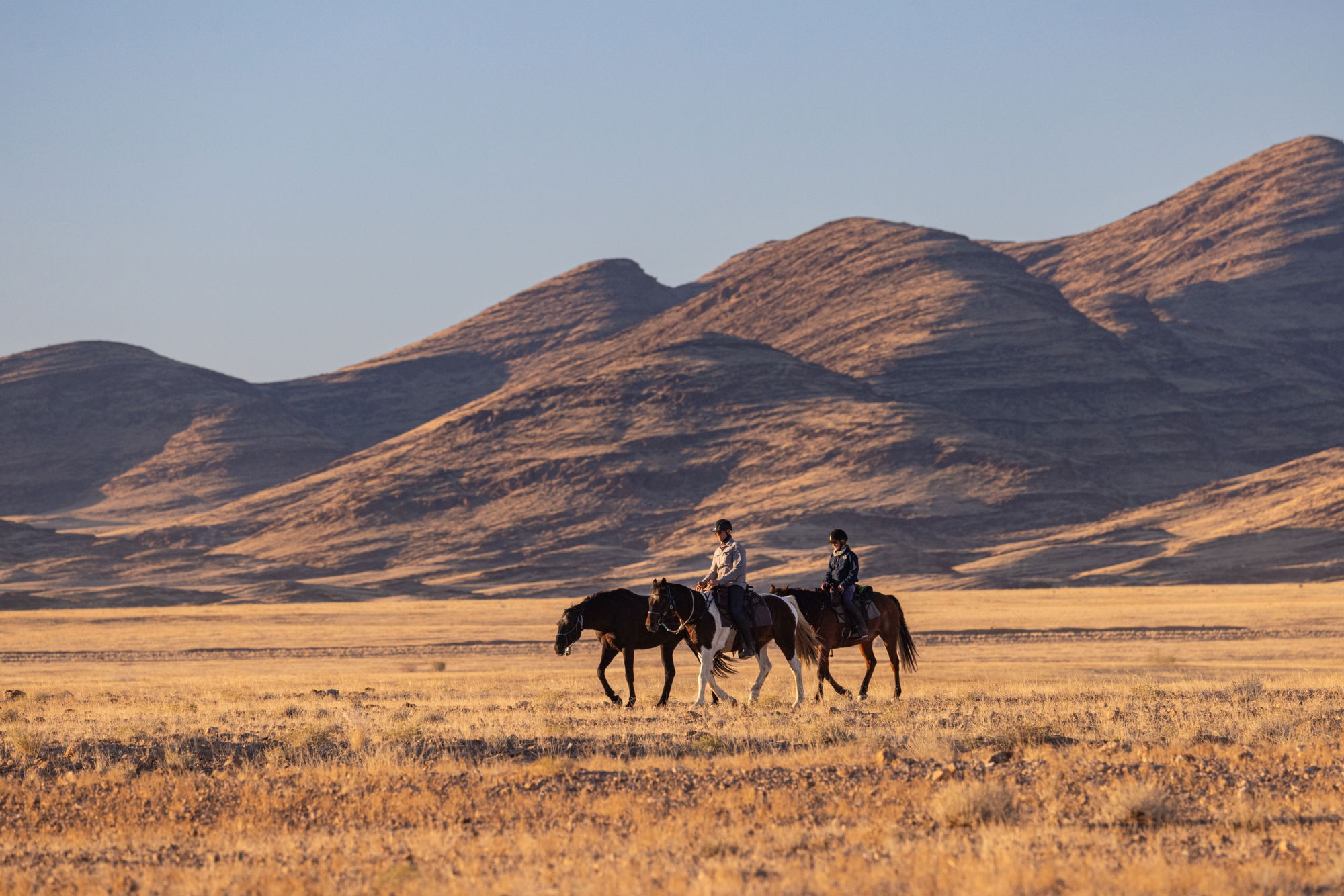
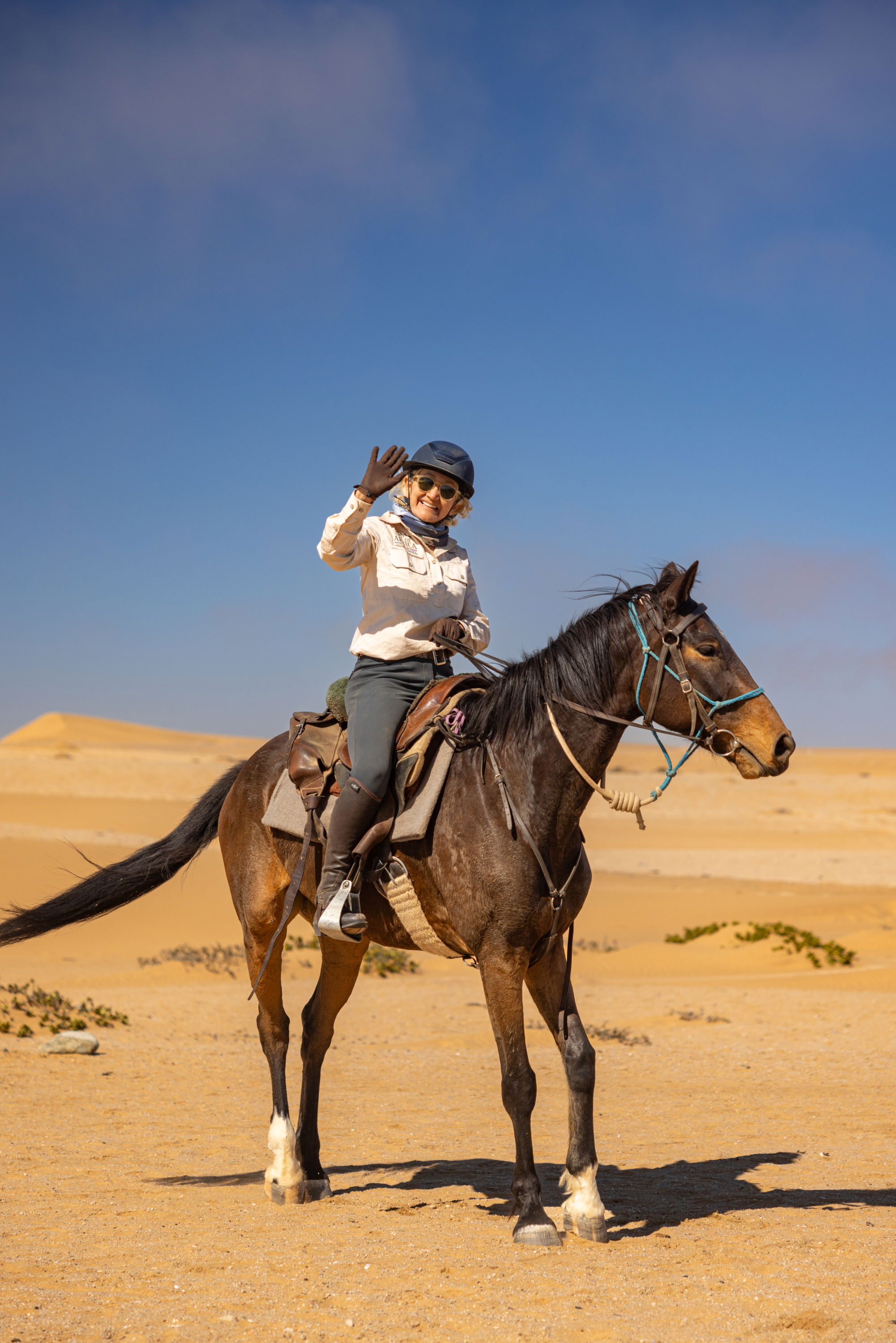
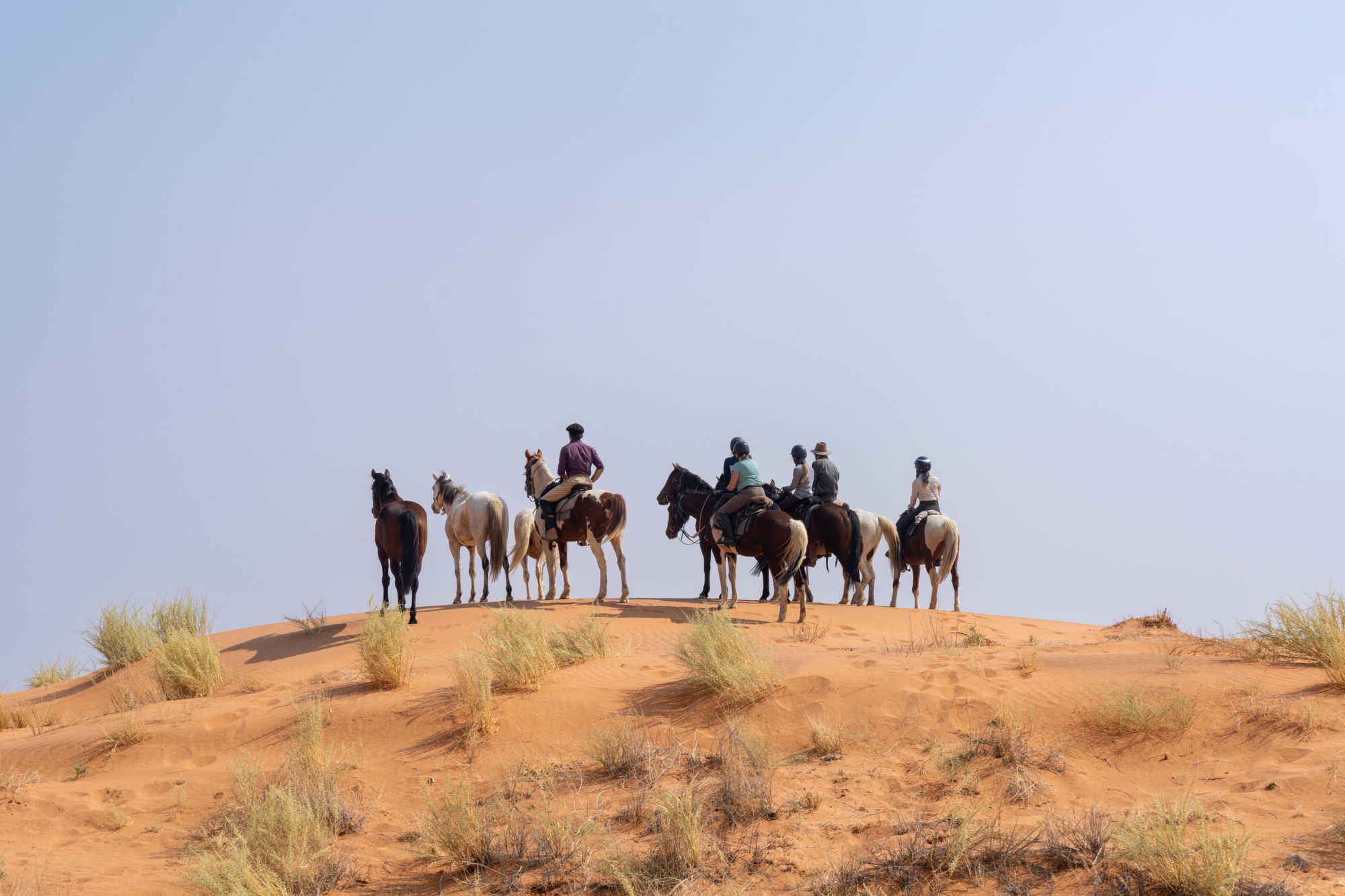
Exploring the epic Namib Desert astride your trusty trail horse
-
Seeing wildlife such as zebra, giraffe, oryx, ostrich, warthog and elephant in their natural habitat
-
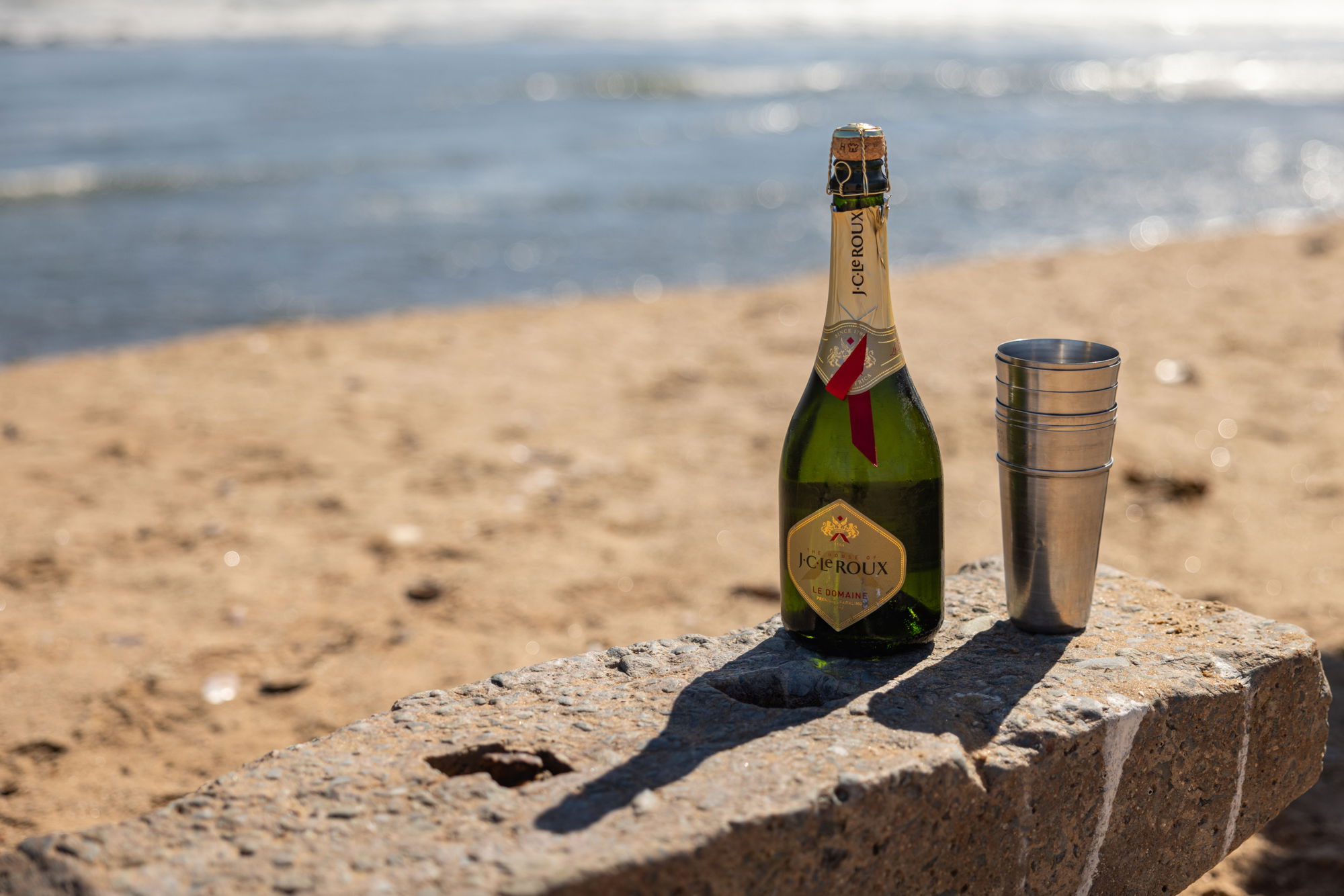
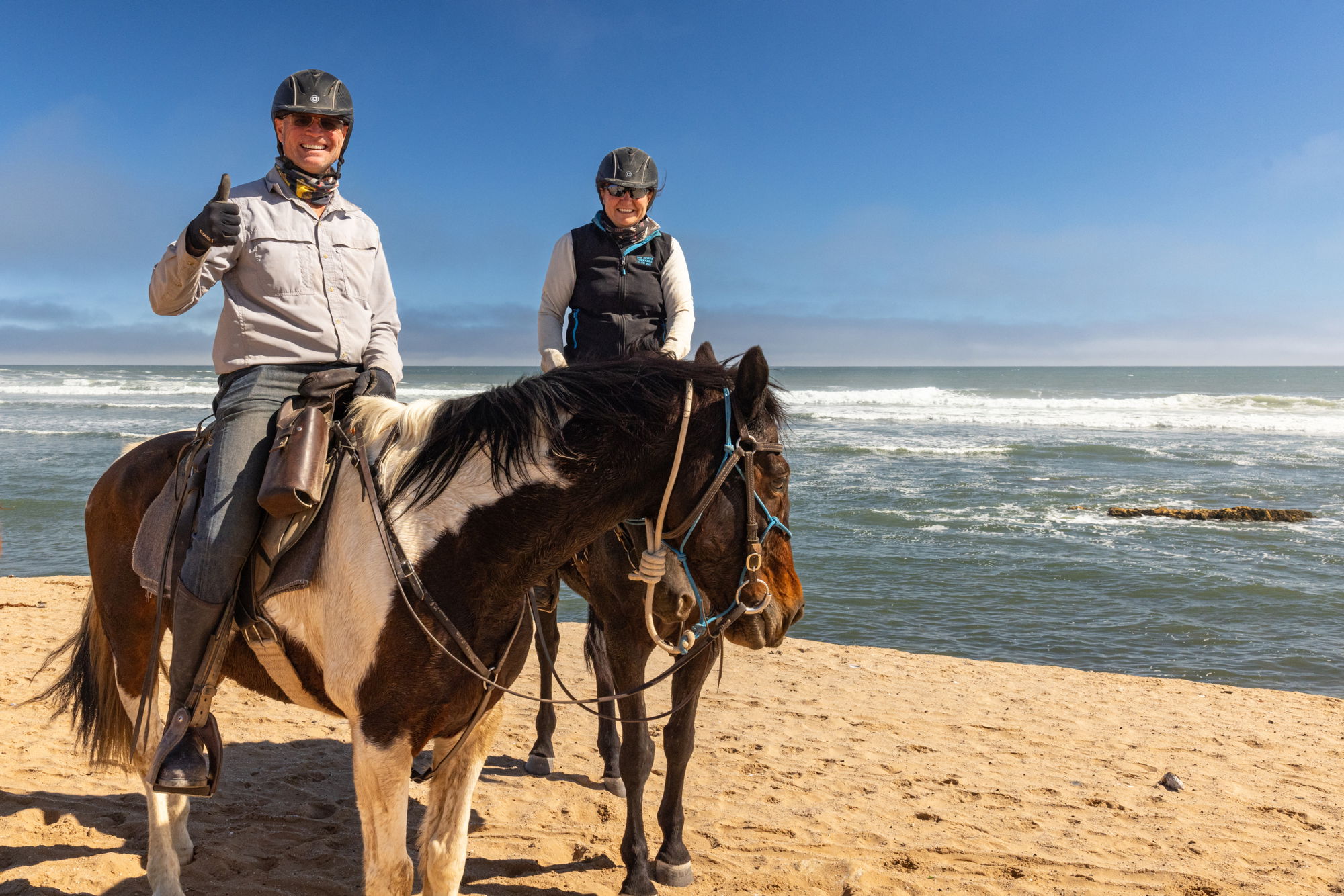
Cantering along sandy beaches with the Atlantic Ocean tumbling beside you
-
Feeling the rush as you scramble down the steep walls of the Kuiseb Canyon
• 11 days, 10 nightsRiding levelAdvanced On the move You ride to a new destination every day or two.
Details
-
Riding levels
Suitable for advanced riders only. Fitness, good health, and experience in horse riding and handling are essential. You need not be an accomplished dressage rider or show jumper, but you must feel totally at ease on the back of a galloping horse in a 2-point seat; in addition, you should be mentally strong and have a sense of humour. Do not underestimate the high level of fitness required for safely completing these itineraries. You MUST train and prepare. Extreme temperatures in the desert also have a huge impact on your fitness and well-being.
Not sure what your riding ability is? See the definitions below.
- Type of tack
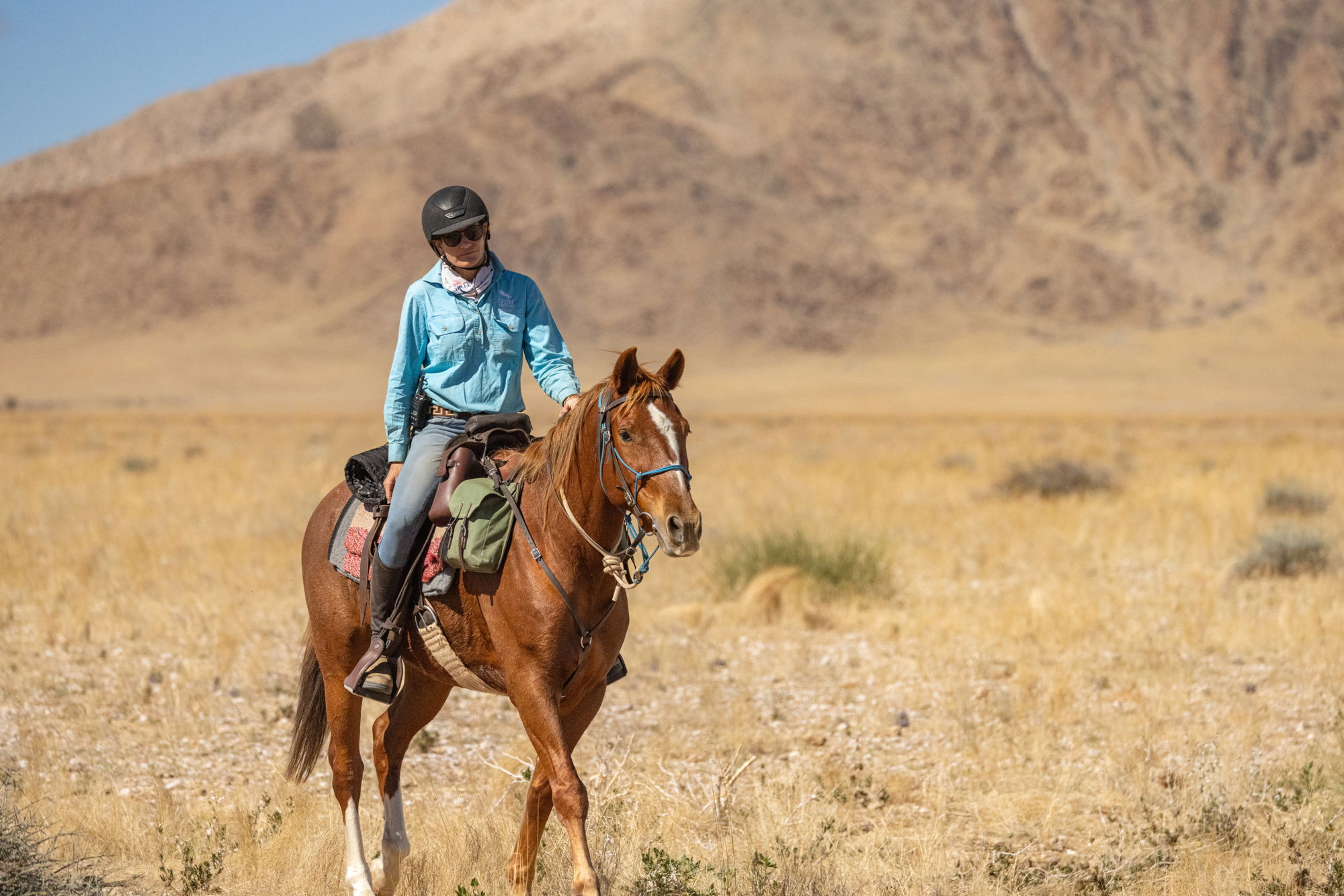
Endurance saddles.
- Horse breed
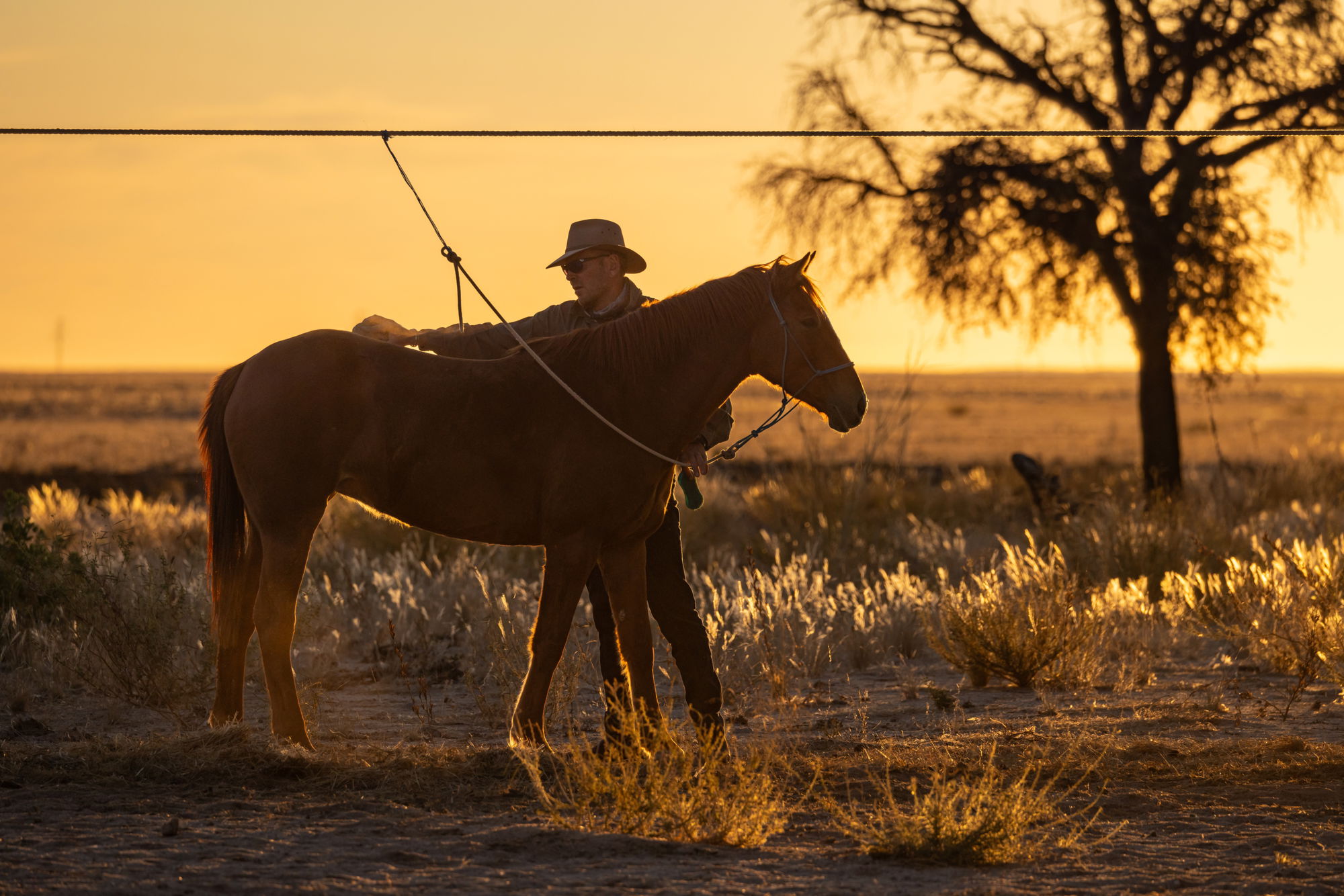
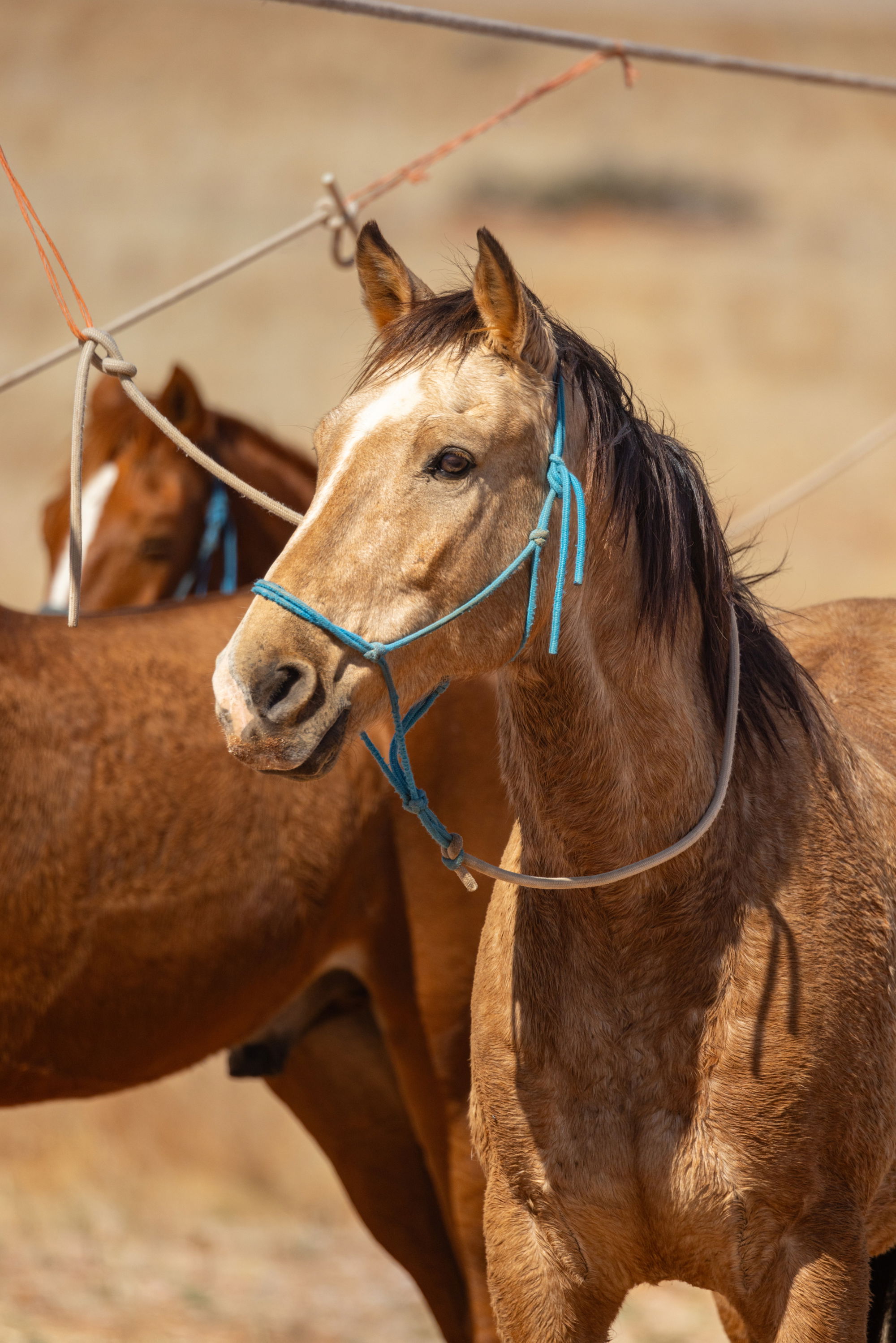
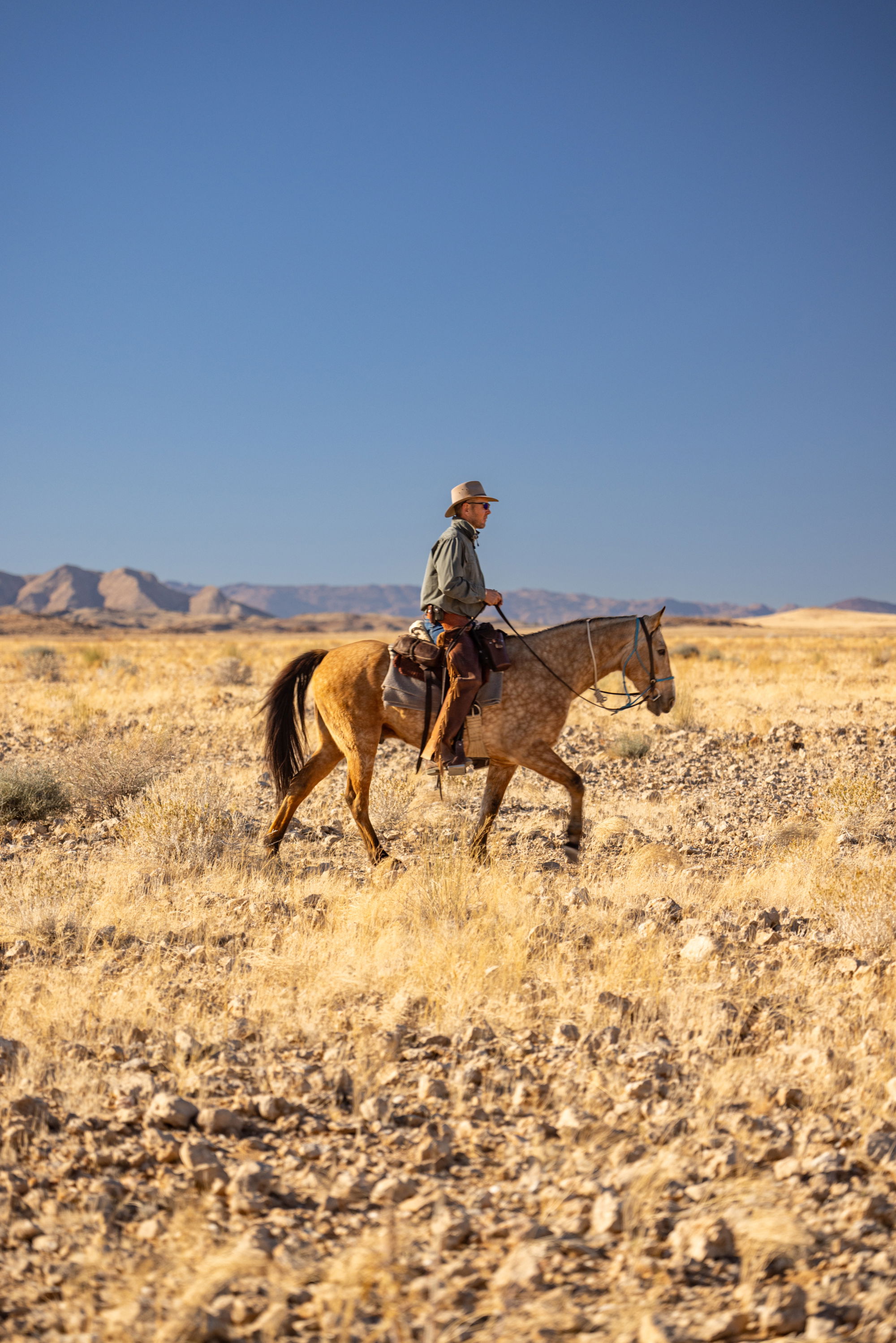
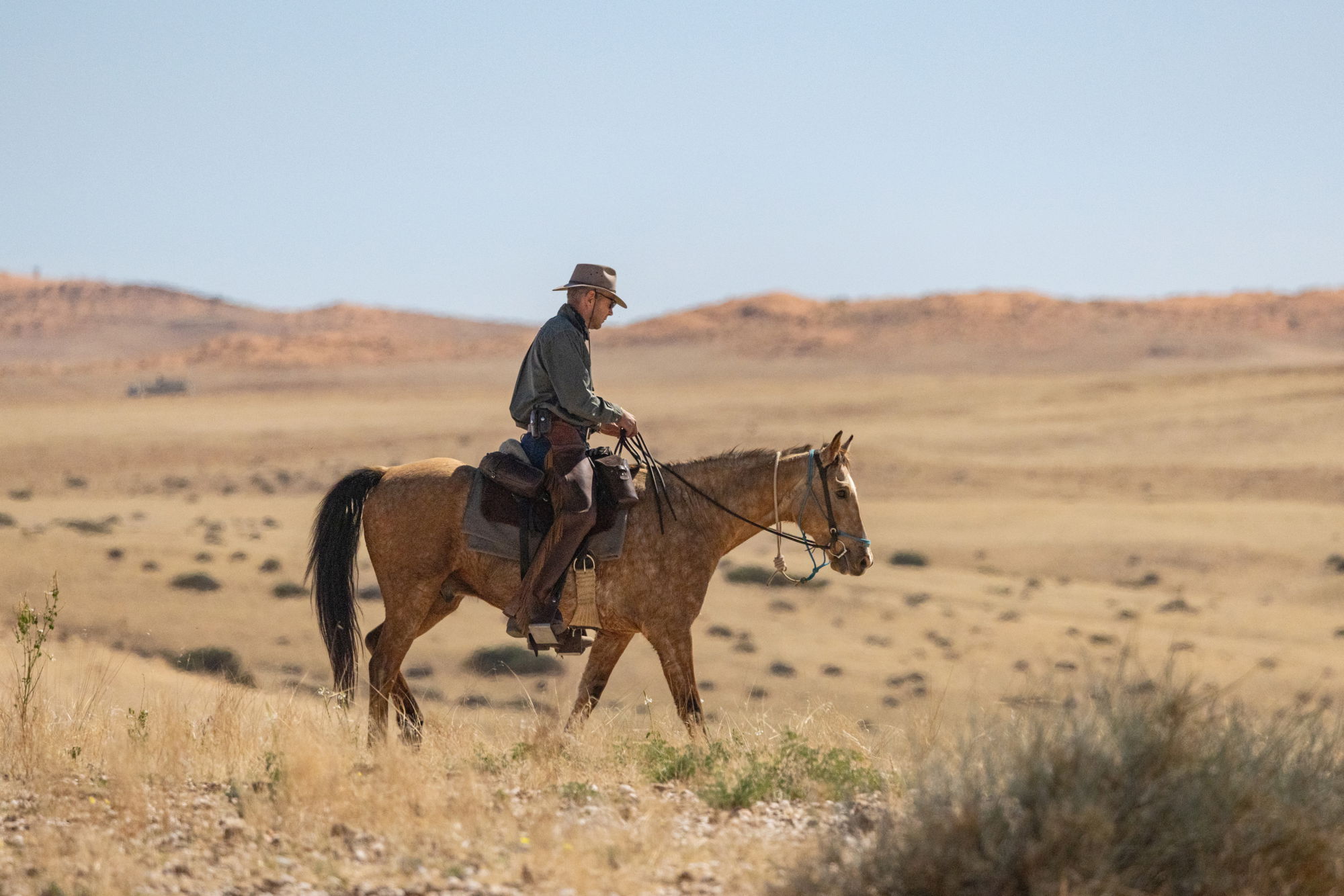
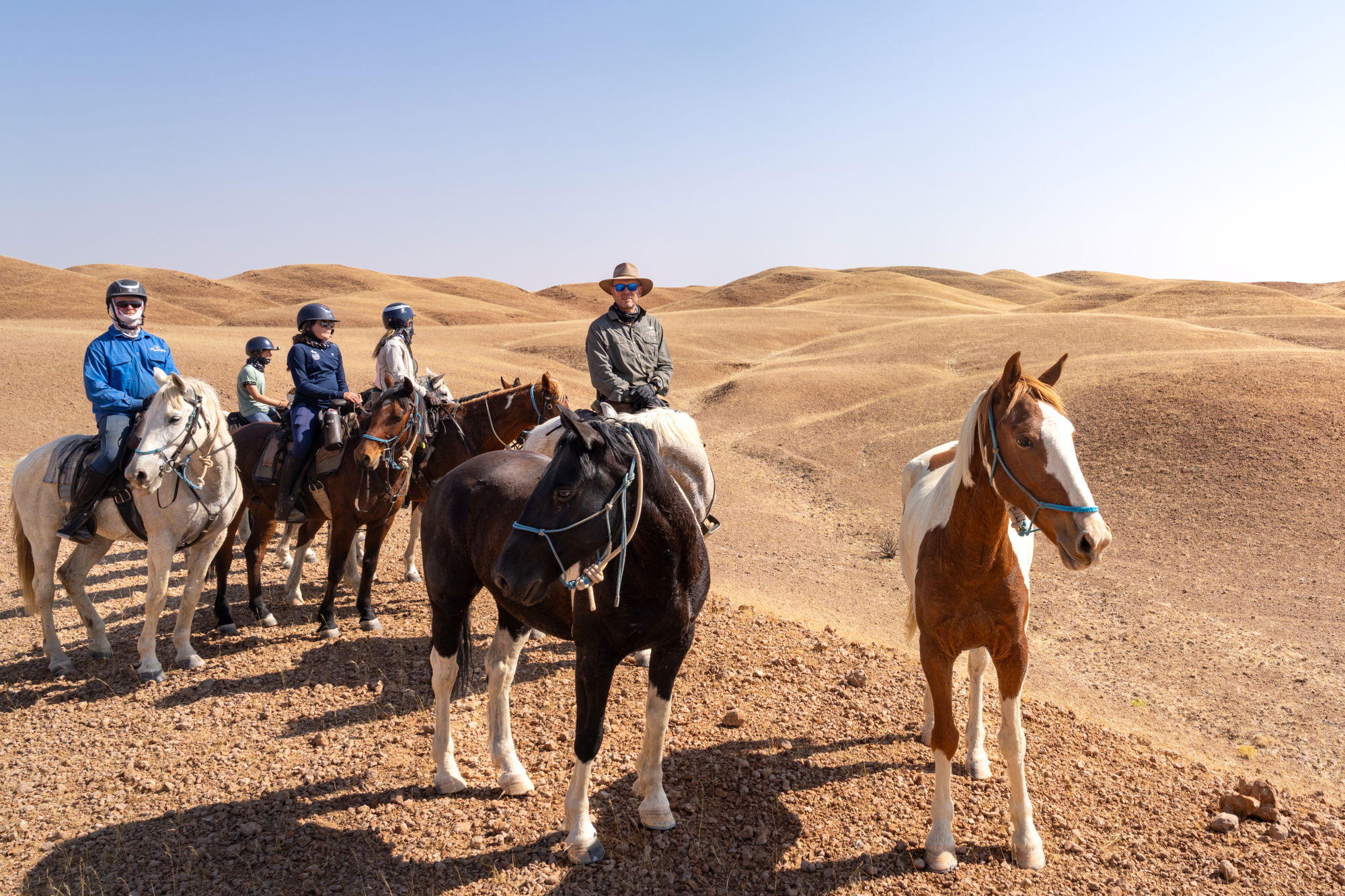
A variety of breeds, i.e. Arab, Haflinger, Trakehner, ranch horses, even cross-breeds of the famous wild horses of the Namib Desert; they are surefooted horses raised on rough terrain, standing 14.3 to 16 hands high, some with experience in endurance riding, and every one of them a kind, reliable companion.
- Accommodation
Camp stretchers and swags (canvas bedrolls) under the stars.
- Pace
This is the toughest commercial ride in the world, the pace is fast, with long canters and gallops in open spaces and varying terrains.
- Weight limit
A bodyweight limit of 85kg / 187lbs applies - anyone heavier pays a 30% surcharge for an extra horse due to regulations set by World Horse Welfare (IHPH: international league for protection of horses).
It is VERY important that you provide your current weight accurately when booking. If your weight is not accurate, we cannot guarantee that your hosts will have a horse for you to ride.
- Group size
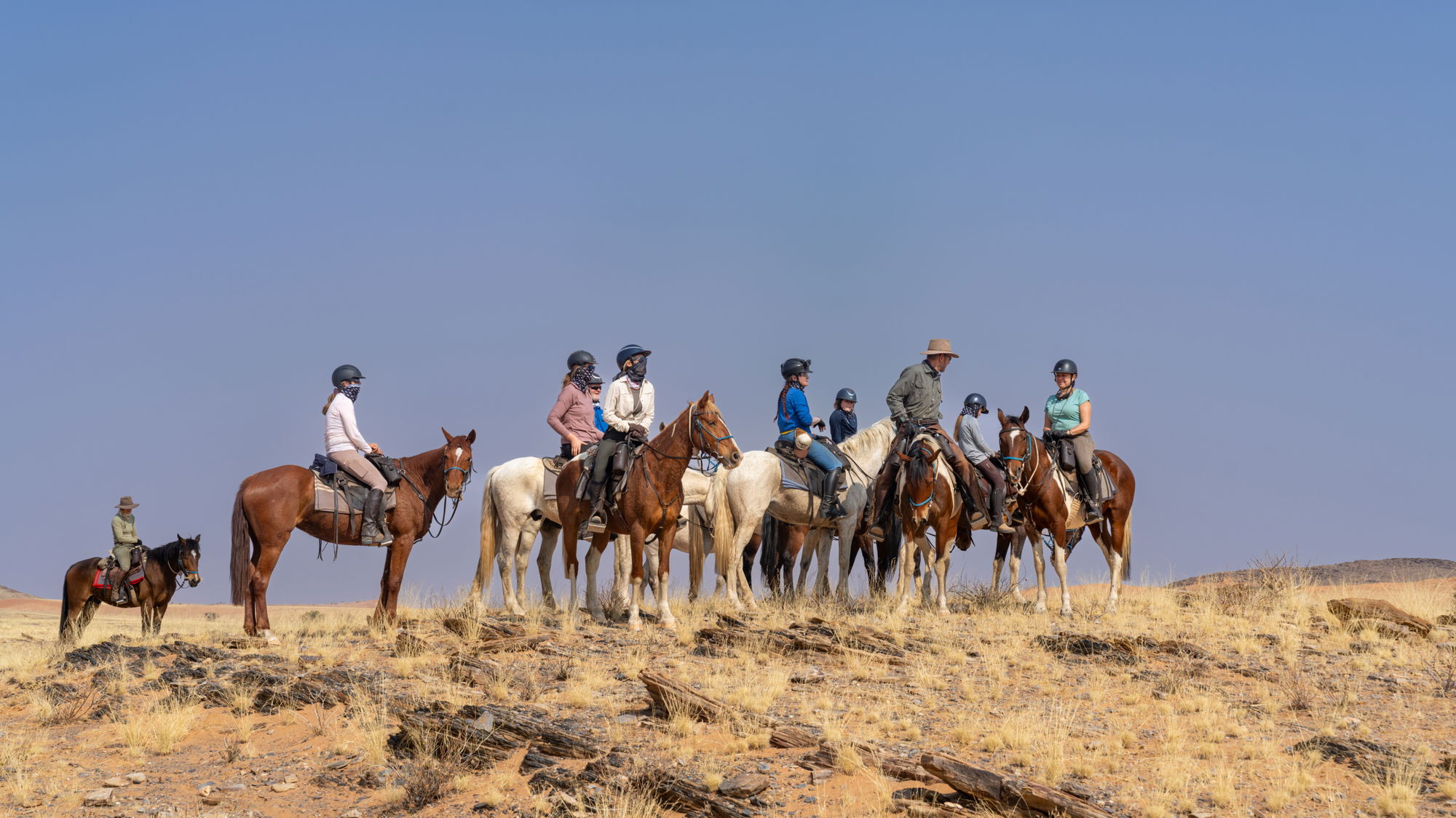
A minimum of 6 and a maximum of 12 guests.
- Minimum age
14 years of age
- Time in Saddle
A typical day involves 7-8 hours in the saddle, covering 40 to 50 kilometres a day, a lot of this at a very fast pace.
- When to go
March to November.
- Languages
Instructions spoken in English.
Guides speak English and Afrikaans.
What’s included (and what’s not)
Included
- Airport transfers from Windhoek International Airport on the first and last days of the ride only
- Ground transfers in the itinerary
- All riding activities outlined in the itinerary
- Meals and drinks while on the ride (including alcohol) - excluded are drinks at lodges, restaurants, and petrol stations en-route
- Accommodation for the duration of the ride
Excluded
- International or regional flights
- Travel insurance (compulsory)
- Personal drinks at lodges and restaurants
- Additional activities and meals not listed in the itinerary
- Staff tips
Departure dates and prices
Instalment plans available
Lock in your ride with a 10% deposit and pay the rest over time – interest-free in 10 easy payments. Learn more.
Per person
2026
Wild Horses Safari
May 13 to 23, 2026
Waitlist yourself and we will send you an email if this date becomes available. Spots are offered on a first-come, first-served basis.
Damara Elephant Safari
June 24 to July 4, 2026
Waitlist yourself and we will send you an email if this date becomes available. Spots are offered on a first-come, first-served basis.
Namib Desert Safari
July 15 to 25, 2026
Waitlist yourself and we will send you an email if this date becomes available. Spots are offered on a first-come, first-served basis.
Damara Elephant Safari
August 5 to 15, 2026
Waitlist yourself and we will send you an email if this date becomes available. Spots are offered on a first-come, first-served basis.
Namib Desert Safari
August 26 to September 5, 2026
Waitlist yourself and we will send you an email if this date becomes available. Spots are offered on a first-come, first-served basis.
Damara Elephant Safari
September 16 to 26, 2026
Waitlist yourself and we will send you an email if this date becomes available. Spots are offered on a first-come, first-served basis.
Skeleton Coast Safari
October 7 to 16, 2026
Waitlist yourself and we will send you an email if this date becomes available. Spots are offered on a first-come, first-served basis.
Skeleton Coast Safari
October 28 to November 6, 2026
Waitlist yourself and we will send you an email if this date becomes available. Spots are offered on a first-come, first-served basis.
2027
Skeleton Coast Safari
March 3 to 12, 2027
Skeleton Coast Safari
March 25 to April 3, 2027
Namib Desert Safari
April 14 to 24, 2027
Waitlist yourself and we will send you an email if this date becomes available. Spots are offered on a first-come, first-served basis.
Wild Horses Safari
May 5 to 15, 2027
Waitlist yourself and we will send you an email if this date becomes available. Spots are offered on a first-come, first-served basis.
Damara Elephant Safari
May 26 to June 5, 2027
Waitlist yourself and we will send you an email if this date becomes available. Spots are offered on a first-come, first-served basis.
Namib Desert Safari
June 16 to 26, 2027
Waitlist yourself and we will send you an email if this date becomes available. Spots are offered on a first-come, first-served basis.
Damara Elephant Safari
July 28 to August 7, 2027
Waitlist yourself and we will send you an email if this date becomes available. Spots are offered on a first-come, first-served basis.
Damara Elephant Safari
August 18 to 28, 2027
Globetrotting Exclusive Departure
Waitlist yourself and we will send you an email if this date becomes available. Spots are offered on a first-come, first-served basis.
Namib Desert Safari
September 8 to 18, 2027
Waitlist yourself and we will send you an email if this date becomes available. Spots are offered on a first-come, first-served basis.
Damara Elephant Safari
September 29 to October 9, 2027
Waitlist yourself and we will send you an email if this date becomes available. Spots are offered on a first-come, first-served basis.
Skeleton Coast Safari
October 20 to 29, 2027
Waitlist yourself and we will send you an email if this date becomes available. Spots are offered on a first-come, first-served basis.
Skeleton Coast Safari
November 10 to 19, 2027
Waitlist yourself and we will send you an email if this date becomes available. Spots are offered on a first-come, first-served basis.
We'll email you — you'll be among the first to hear when new departure dates are released.
The fun bits
Payment details
- A fixed Booking Fee of £79 GBP
- All bookings are charged in the local currency of the ride destination.
- Accepted payment method is by credit or debit card only.
Cancellation policy
We understand that plans can change. If you need to cancel your ride, please let us know as soon as possible. Cancellation fees apply based on how close your departure date is, and deposits are non-refundable. We strongly recommend travel insurance to protect your booking. Read our full cancellation policy.
International fees
If you're paying in a currency different from your own, your bank may charge a conversion or international transaction fee.
Itinerary
Please note, these are suggested itineraries only and subject to change at the discretion of your guides due to weather and other influencing factors.
- Namib Desert Safari
- Damara Elephant Safari
- Wild Horses Safari
- Skeleton Coast Safari
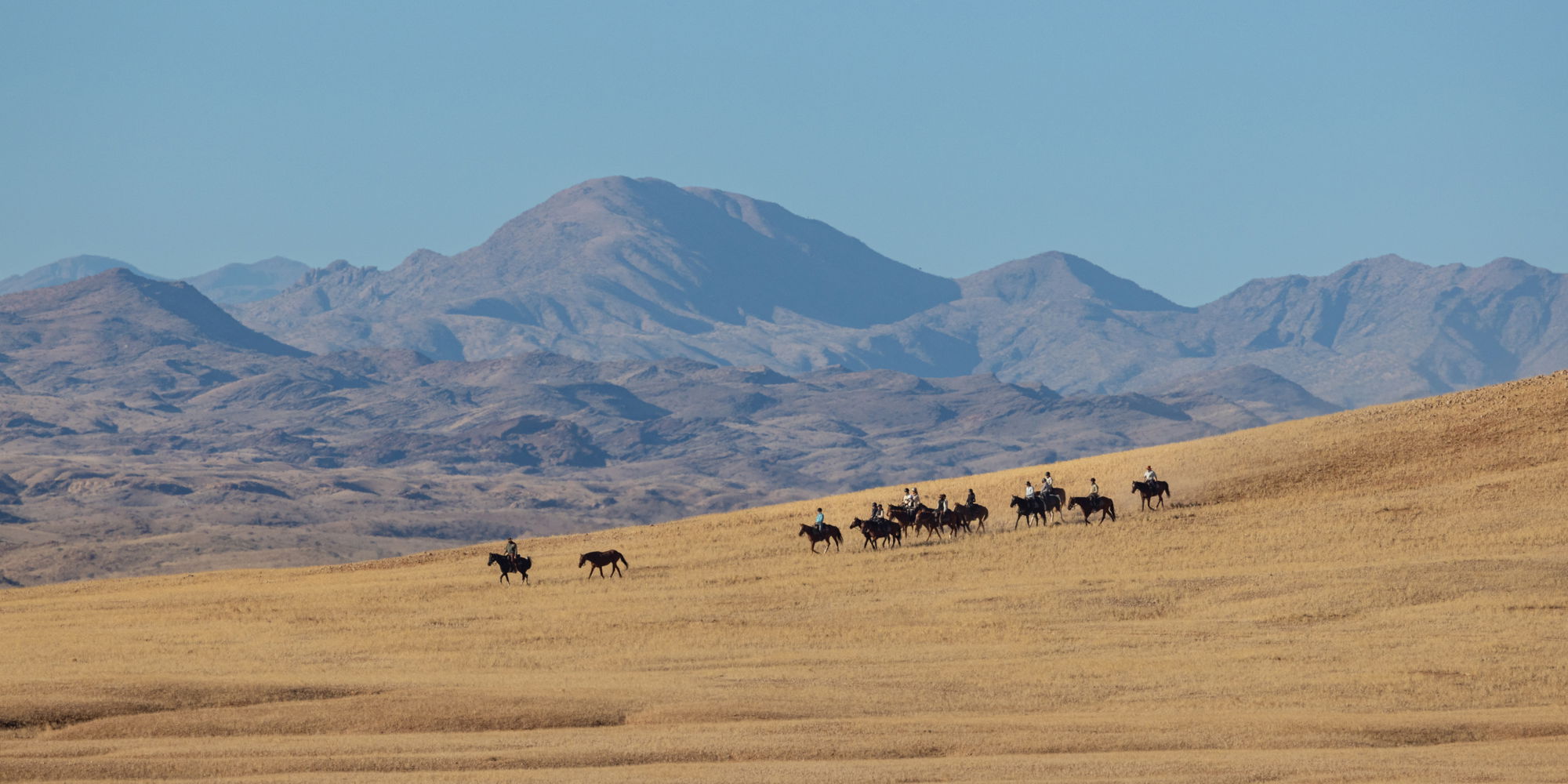
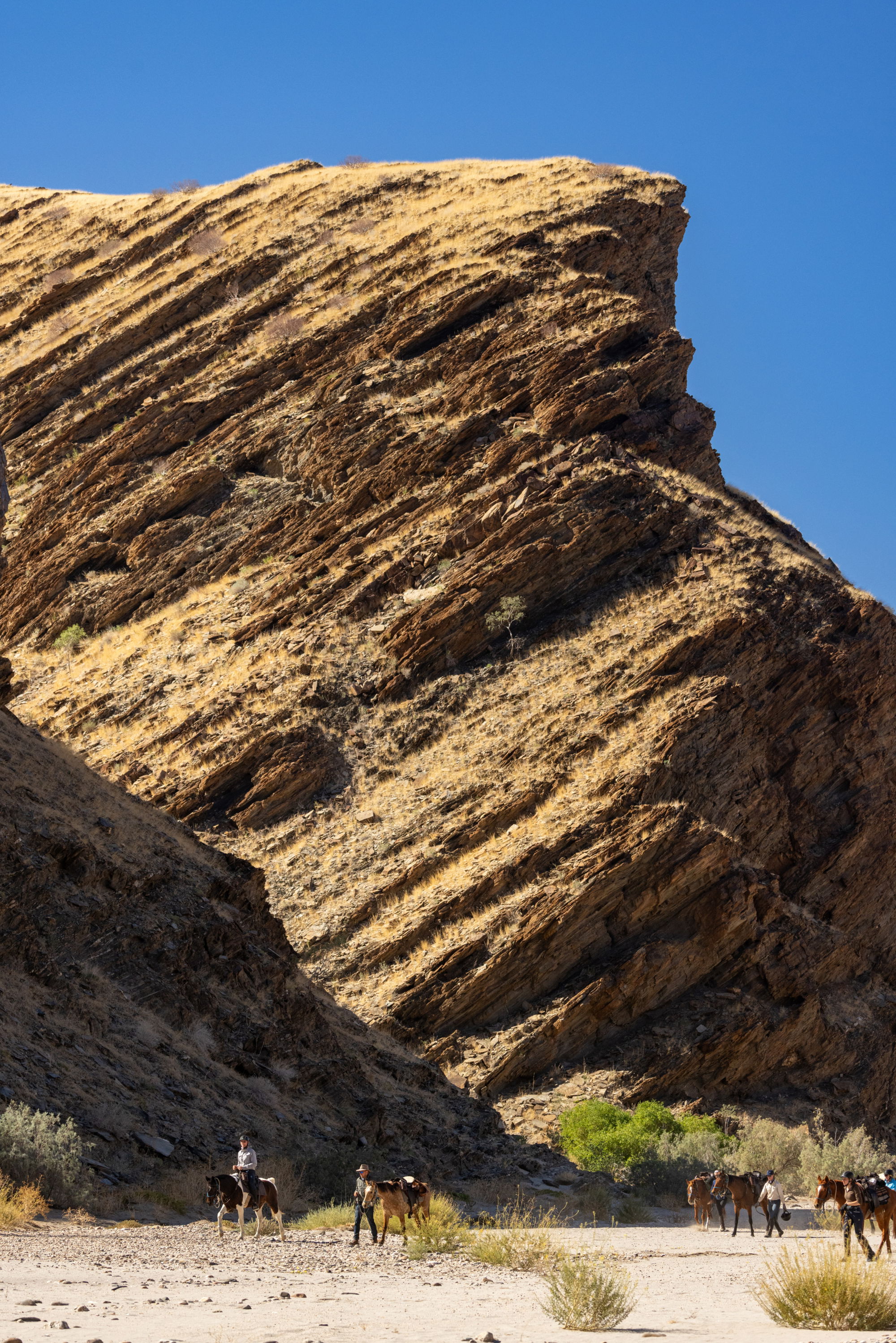
This is the toughest commercial ride in the world – an extraordinary and physically demanding safari through Namibia’s diverse, desert landscape, featuring iconic ochre sand dunes, vast plains, and captivating canyons.
11 days, 10 nights, 8 riding days.
-

Day 1: Arrival
Non-riding dayYou will be met on arrival day at Windhoek airport (Hosea Kutako airport) and transferred River Crossing Lodge in Windhoek. Here you will meet the rest of your riding group for dinner and a representative to brief you about the ride.
-

Day 2: Sossusvlei
Non-riding dayAfter an early breakfast you’ll journey to the Namib Desert on a transfer (approx. 5 hours) through some spectacular landscapes including a dramatic drop off the escarpment with an arresting view of the desert below. After lunch we depart for a visit to the dunes at Sossusvlei, returning to camp by sunset. The evening will be spent at camp where a good meal and drinks will settle us all into the flow of the ride.
-
Day 3: Naukluft Mountains
6 to 7 hours in the saddleOur first ride begins amid the encircling Naukluft (German for ‘narrow gorge’) mountains – a short ride before lunch allows you to get more acquainted with your horse before we ride into the undulations and isolated hills which are a feature of this area.
-
Day 4: The Foothills
7 to 8 hours in the saddleWe continue on our riding adventure: cross-country on game and cattle tracks through the bush savannah and plains with stunning views of endless hills and steep rock faces in constantly changing colours. The night’s camping spent around a campfire, stretching out under the stars.
-
Days 5 & 6: Gaub & Kuiseb Canyons
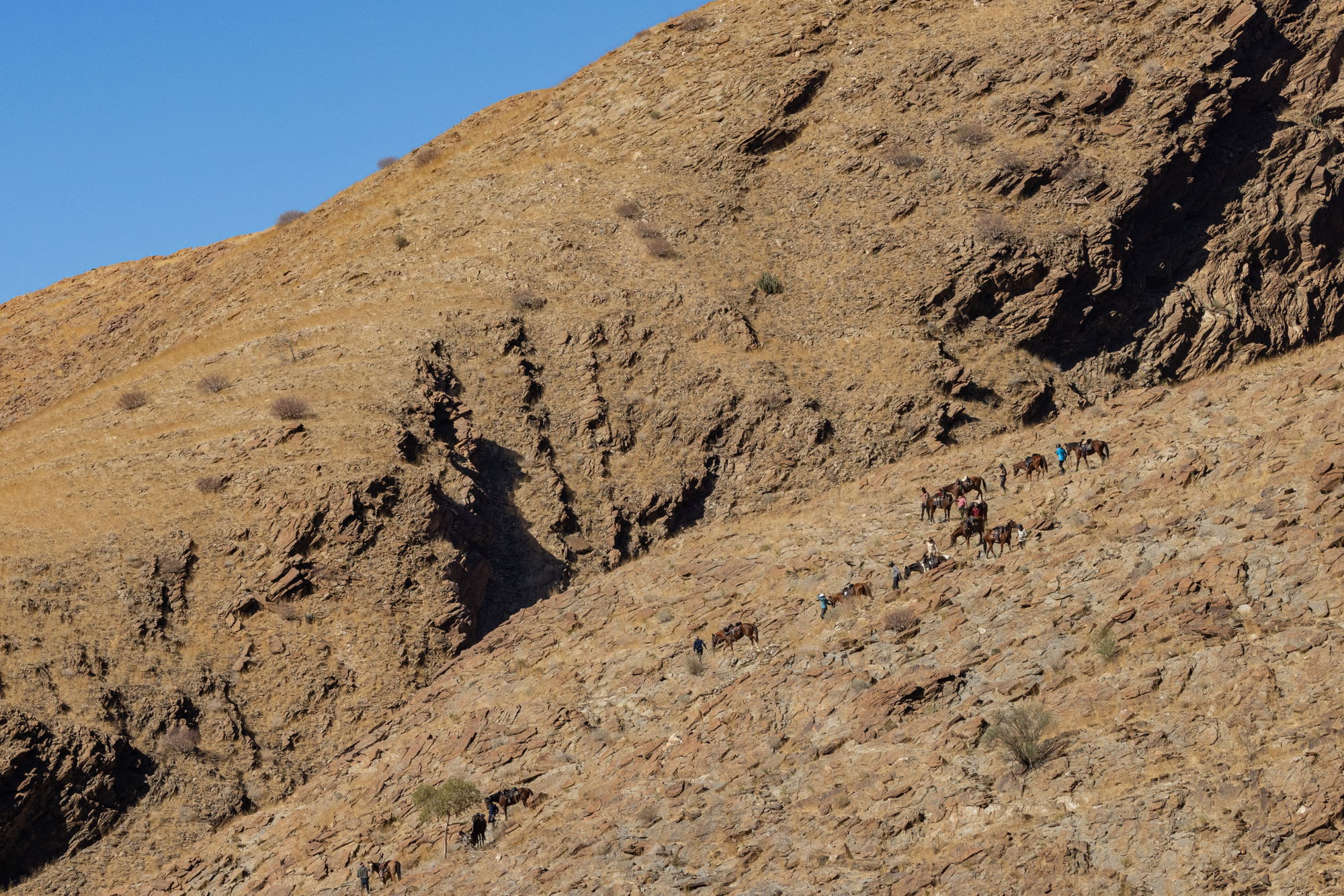
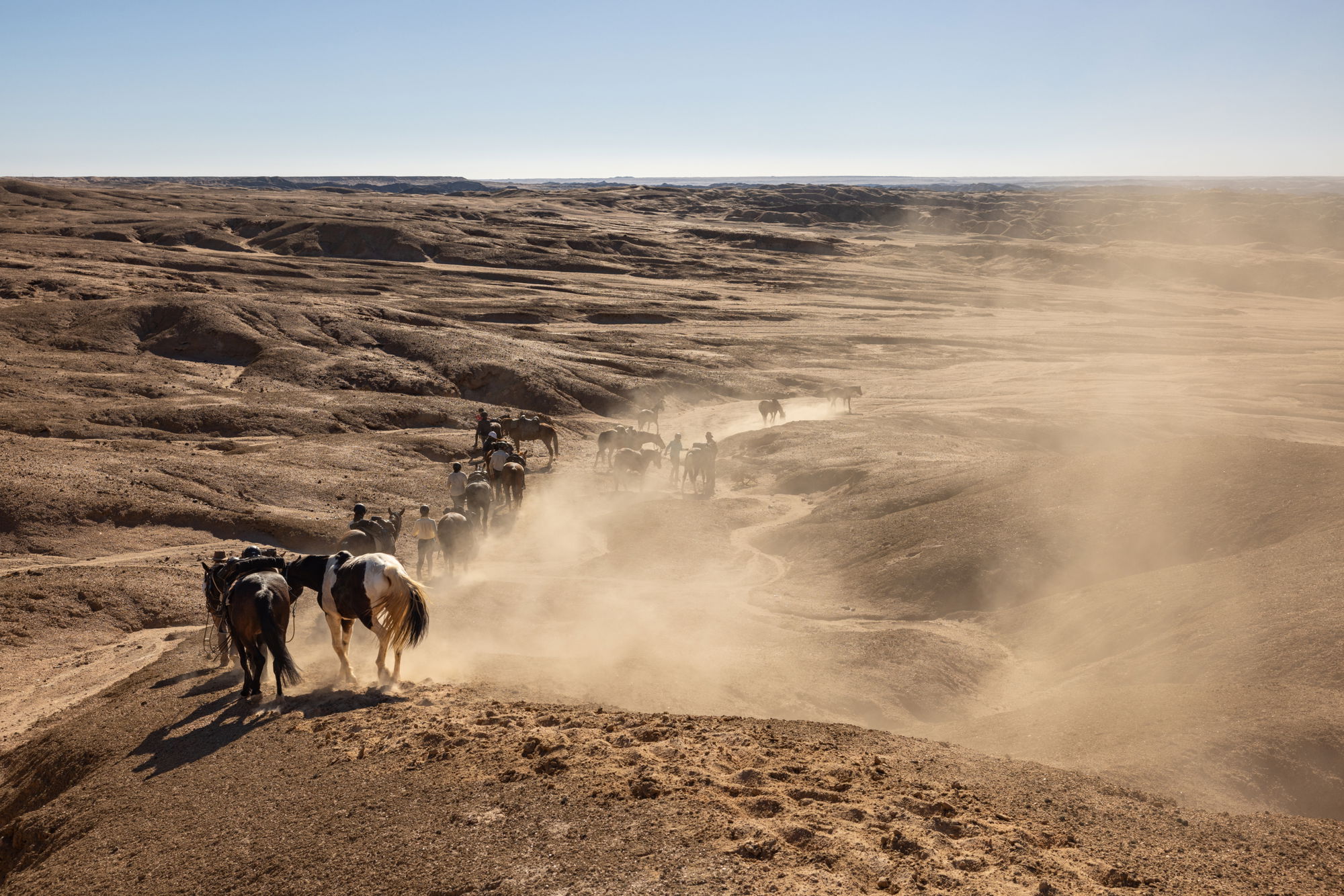
7 to 8 hours in the saddleWhile Namibia’s westward-flowing rivers rarely flow, they all run through deep valleys etched at a time when Namibia was wetter and sea levels were lower. We cross two river canyons on our way to the Namib plains; the Gaub and the much larger Kuiseb which forms a dramatic end to the 400 km long Namib Sand Sea. Following the tracks of mountain zebra which crisscross the steep sides of the canyon, a technical descent requires some walking/scrambling into and out of the Canyon. The high, narrow walls of the canyon preserve an almost year-round supply of precious water for the game in this area.
-
Days 7 to 9: Namib Plains to the Swakop River
7 to 8 hours in the saddleThis is unspoiled countryside with stunning panoramic views. Marvel at the incredibly beautiful African sunsets and myriads of stars. See mountain zebra, oryx, ostrich, springbok and if you’re lucky some of the desert warthogs while crossing the deserts gravel plains as the crow flies. Good going affords some fast-paced riding on the wide grassy plains on the Namib. It has been known for the mountain zebra to run alongside us on one of our many canters! Dry watercourses, distinguishable by the long lines of acacia trees marking their courses, are much-favored resting place of Giraffe, Springbok and Oryx. As the plains become more arid strange shapes form and disappear in mirages and dinosaur-like of plants, the gnarled Welwitschia Mirabilis tell of a land of great antiquity and also of tremendous solitude. The Swakop river basin has eroded a truly ancient geology (600 million years old) exposing a bizarre moon-like landscape. Curious black ridges of dolerite intrusions form whalebacks on the hills surrounding the river basin. And finally to the sea with the last canter along the beach – the end of a truly epic adventure.
-
Day 10: Swakopmund
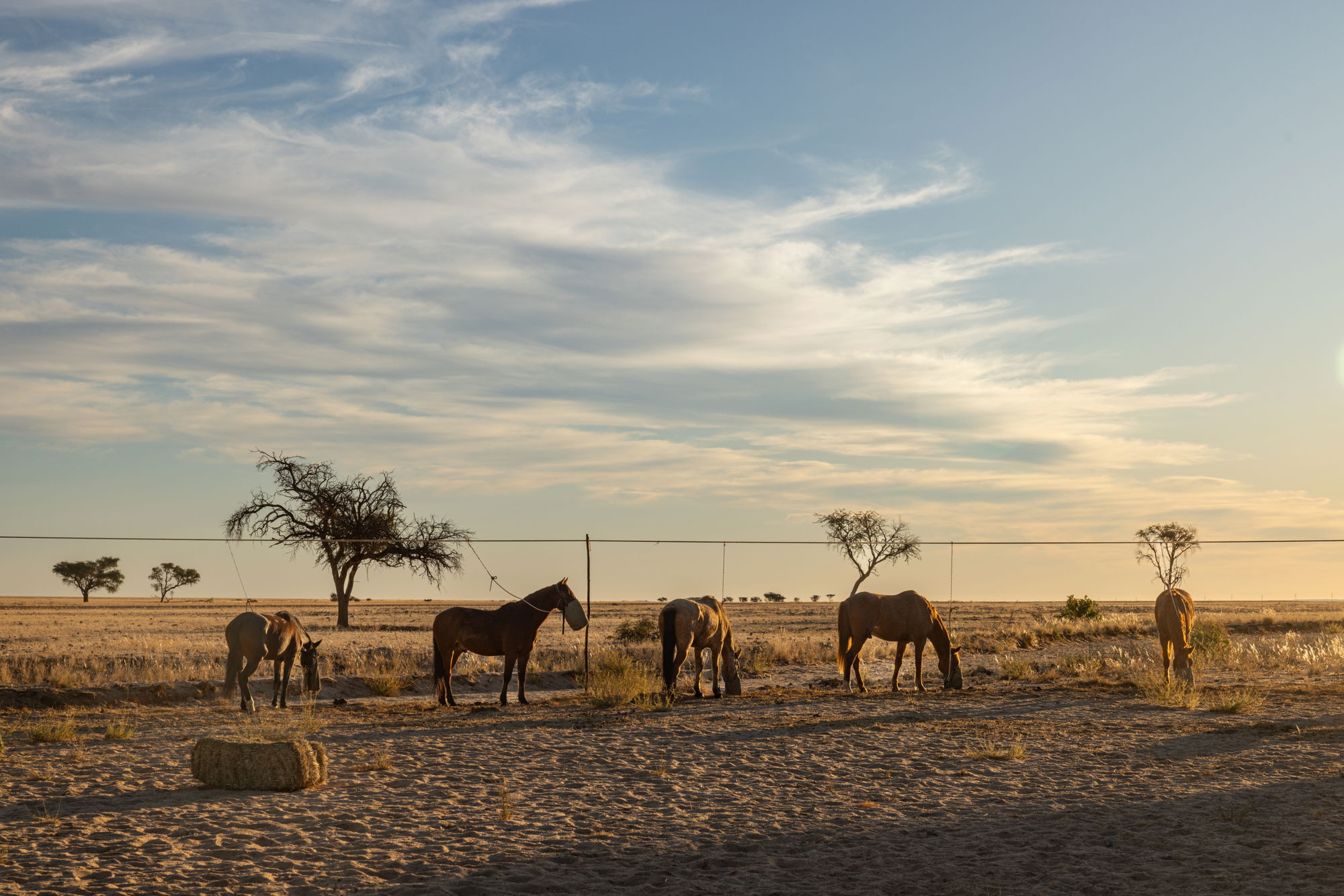
7 to 8 hours in the saddleJoyfully ride along the Swakop valley until you reach the dunes and then at last the ocean shore at Swakopmund. Our first glimpse of a town in ten days! And the possibility of riding your horse for the last time along the beach!! For the night we stay in comfortable holiday chalets/guest houses and our horses enjoy their well-deserved rest in a sandy paddock. We meet for a farewell dinner in the evening.
-

Day 11: Departure
Non-riding dayAfter an early breakfast we all say goodbye as you transfer to Windhoek (just over a 4-hour commute), arriving in time for departure flights from Windhoek International Airport after 3pm.
Transfer information
Transfers to and from Windhoek’s Hosea Kutako International Airport are included in the ride price on the first and last days of the ride. A shuttle service will collect you from the airport (your name will be on a board) and take you to your overnight accommodation on day 1.
We recommend ensuring your flight arrives no later than 4pm, so you can attend the pre-dinner group briefing at 6pm. And on the last day, you will be dropped off at the airport in time for departing flights leaving after 3pm (except Wild Horses Safari: after 6pm).
Accommodation
Before beginning your ride in earnest, you will stay at a lodge – for most itineraries, this will be River Crossing Lodge in the capital city of Windhoek.
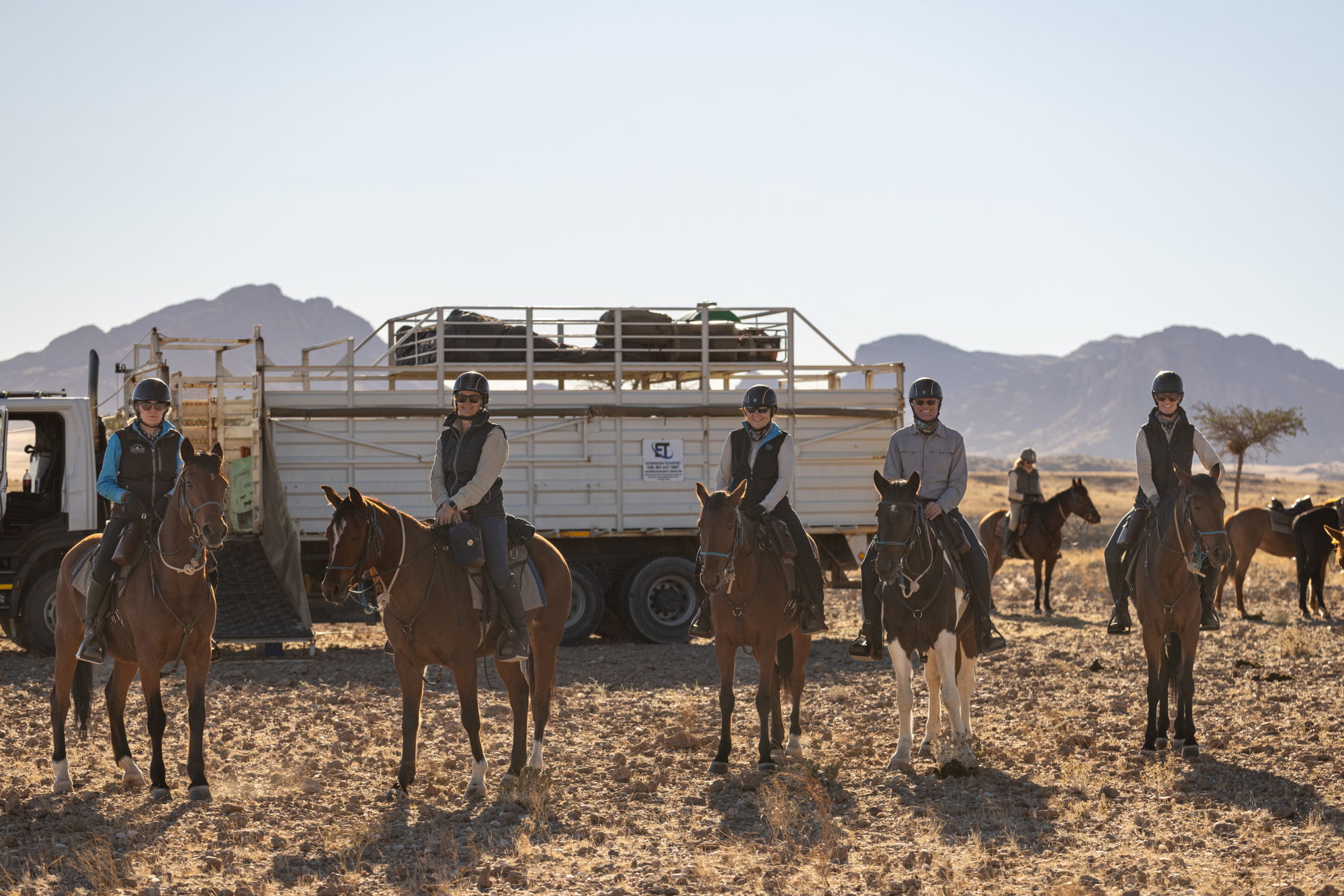
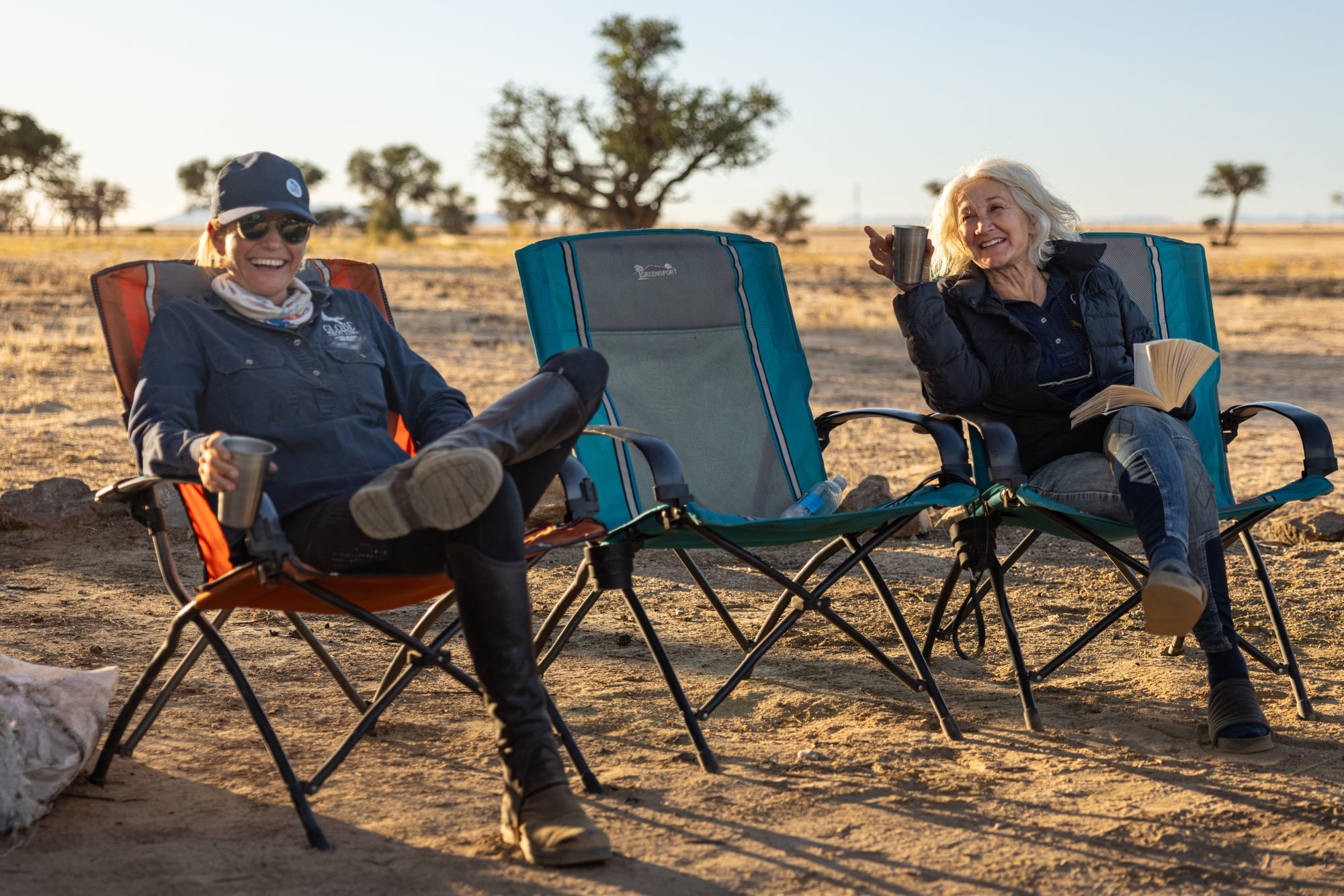
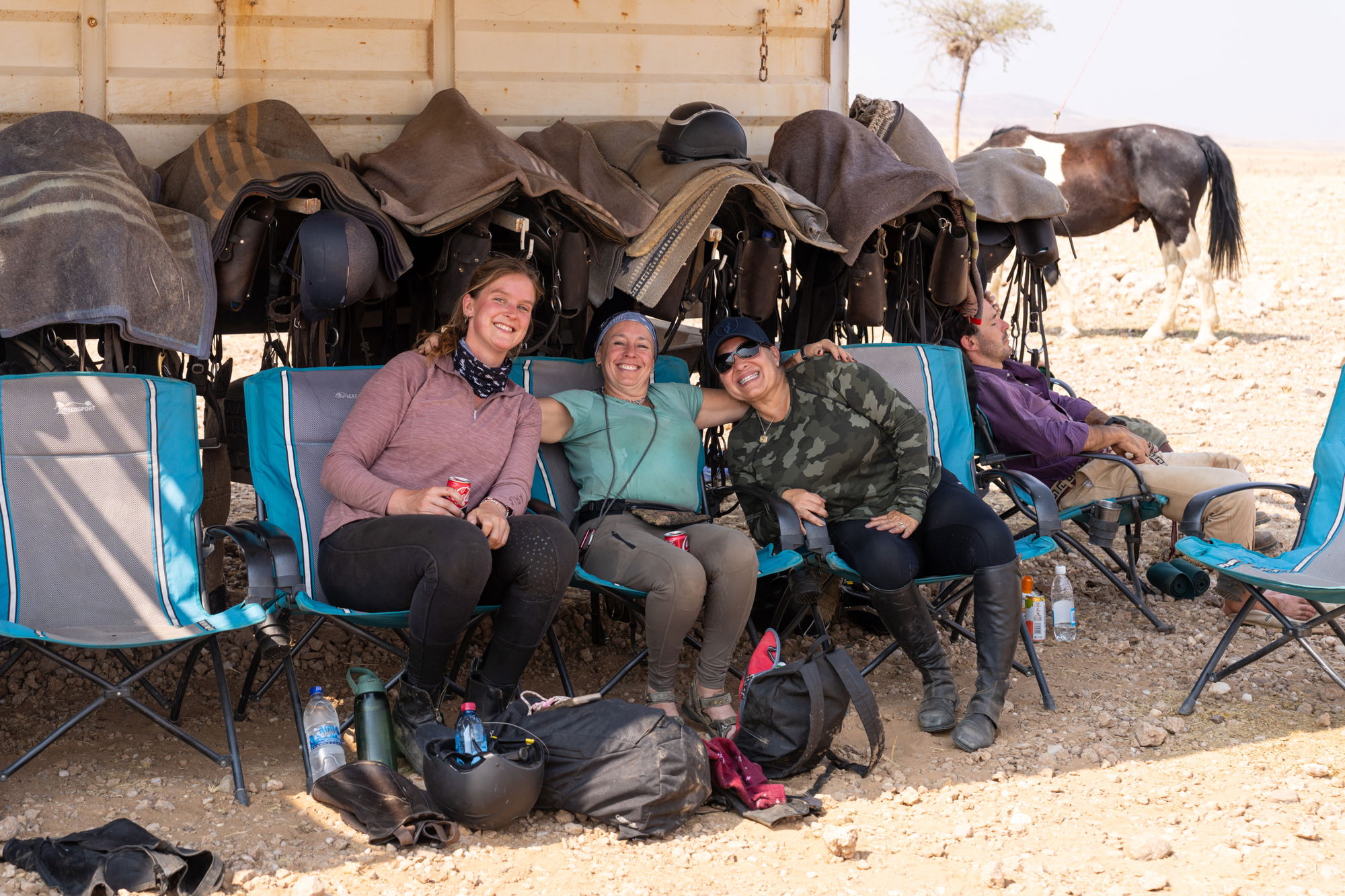
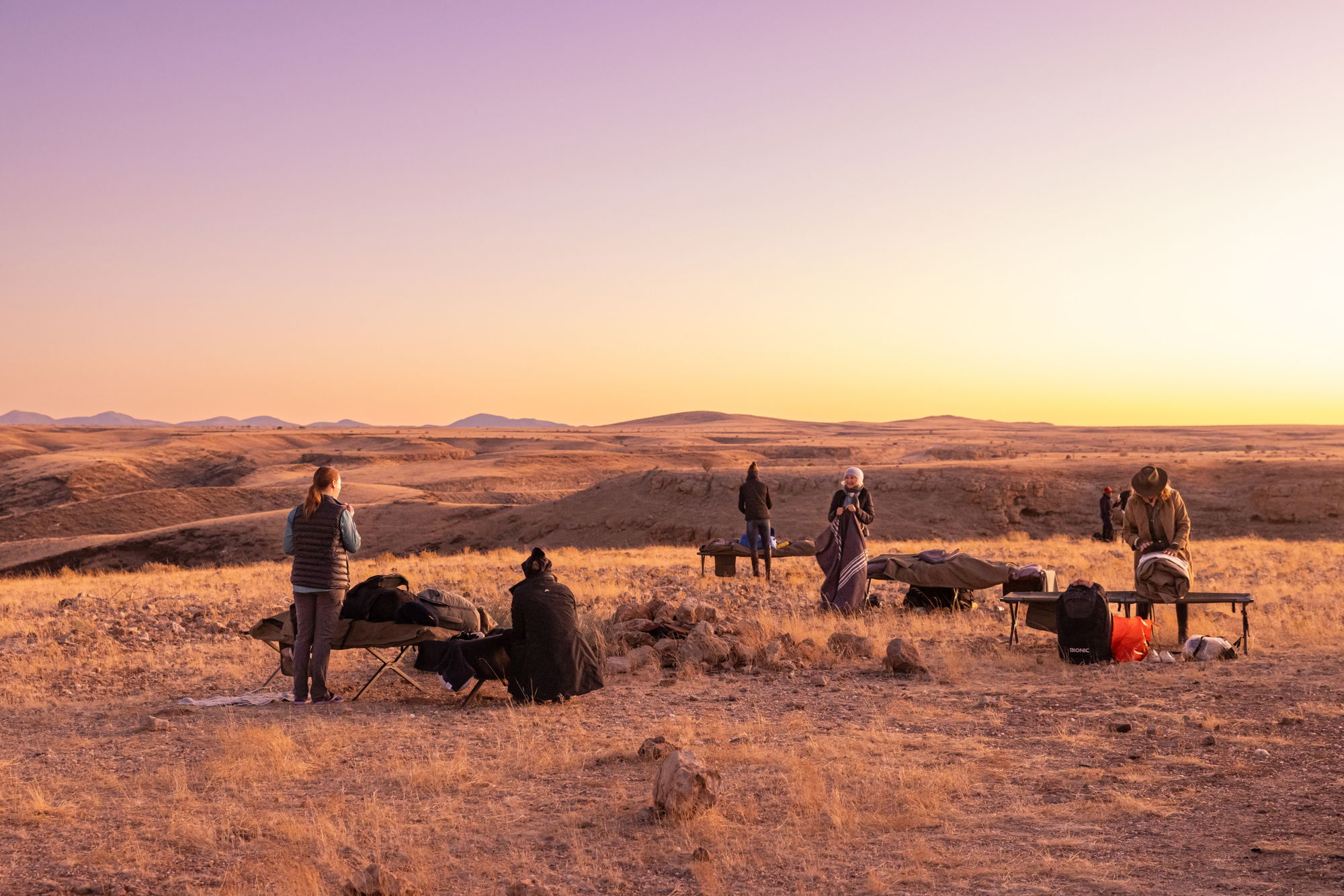
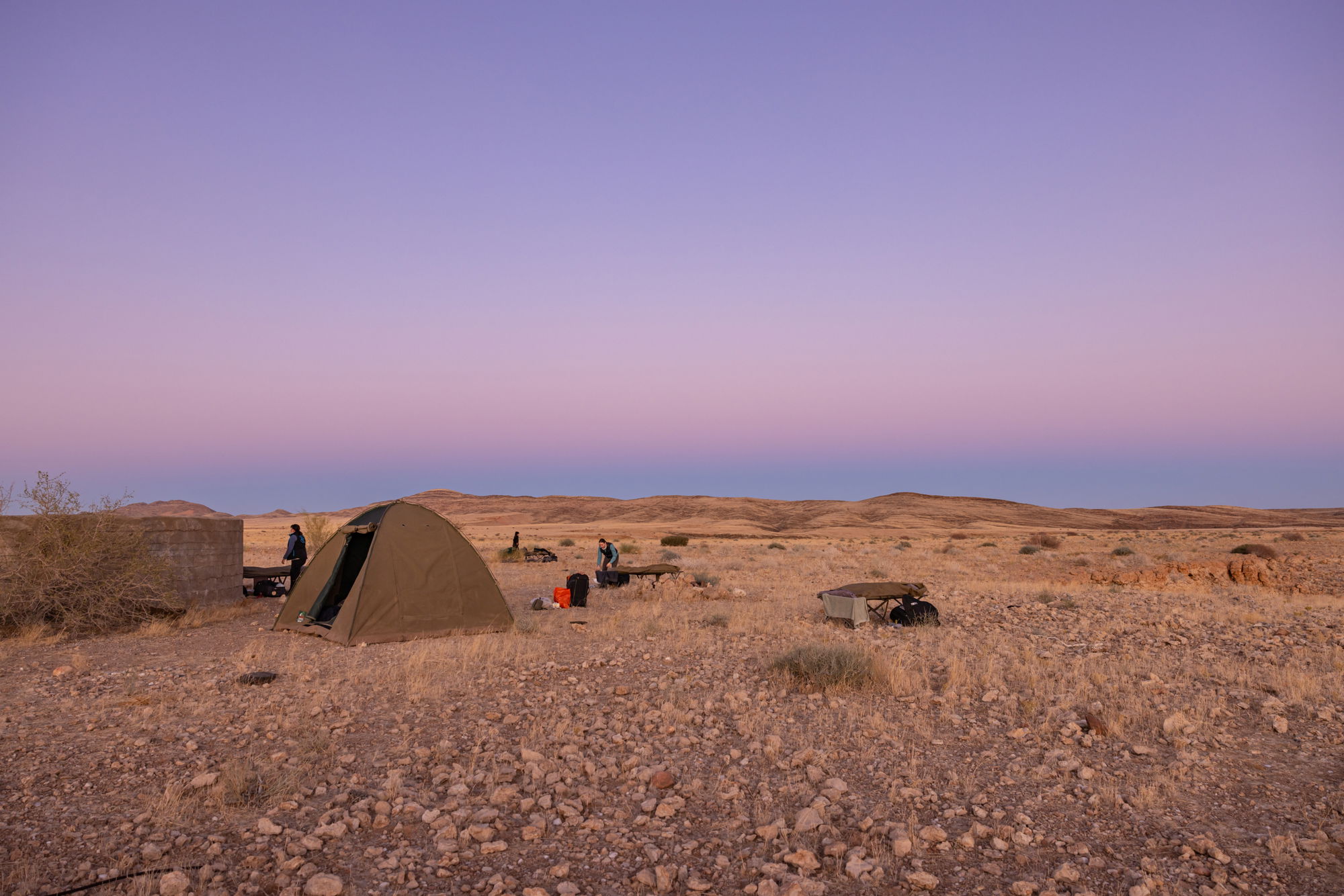
During the ride itself, you will sleep in a warm, comfortable bedroll/swag (with sheets, duvet and pillow) on a stretcher under the stars. Tents are available if required, although then you miss out on the spectacular stars overhead – few places on earth have zero light pollution…this is one of those few! Hot bucket showers are available each night off the truck, and each camp is equipped with either chemical or long-drop toilets.
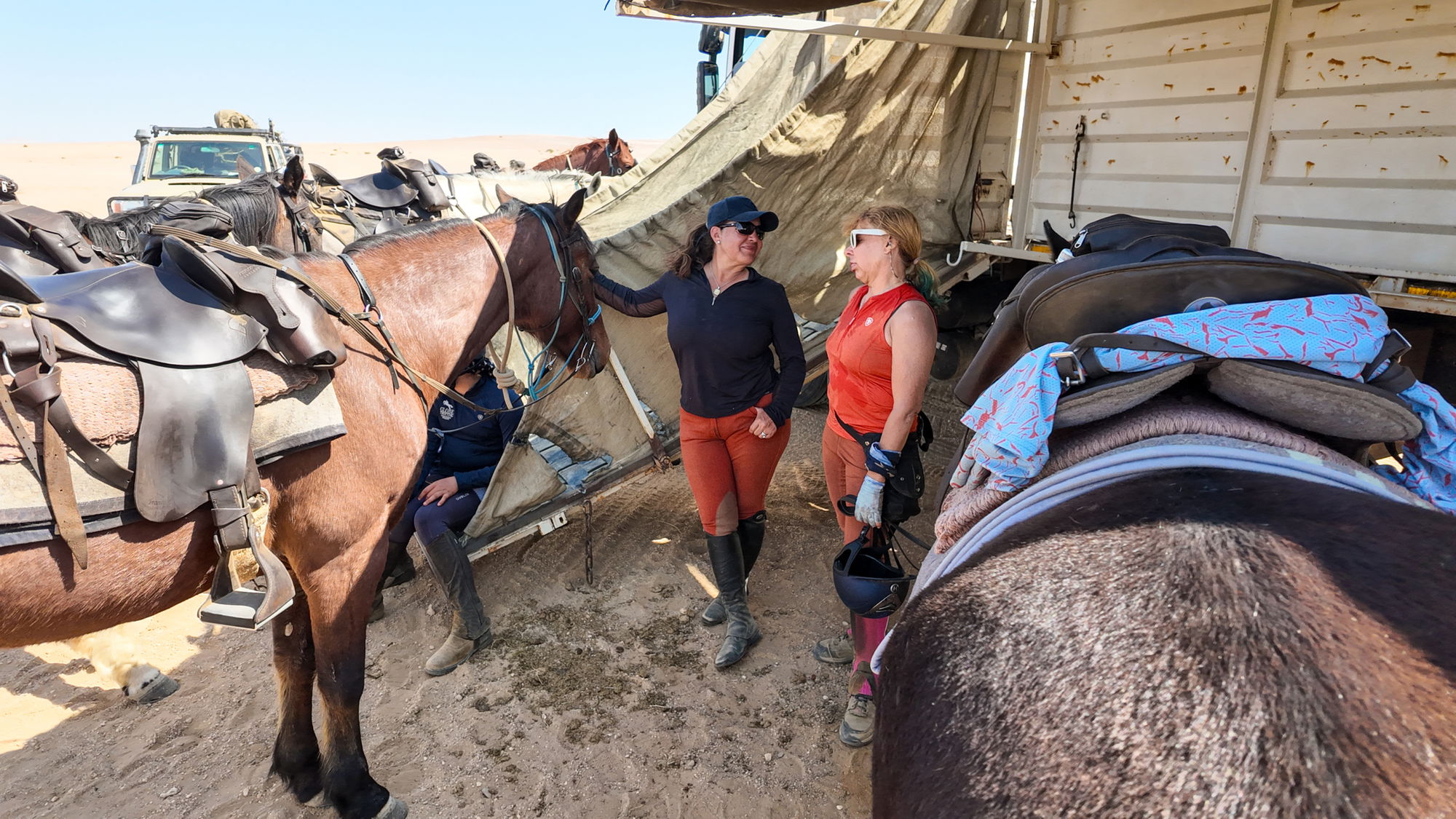
Your luggage travels ahead in the support vehicles while you ride across desert ‘as the crow flies,’ meeting the crew again each evening at a freshly pitched camp.
Food
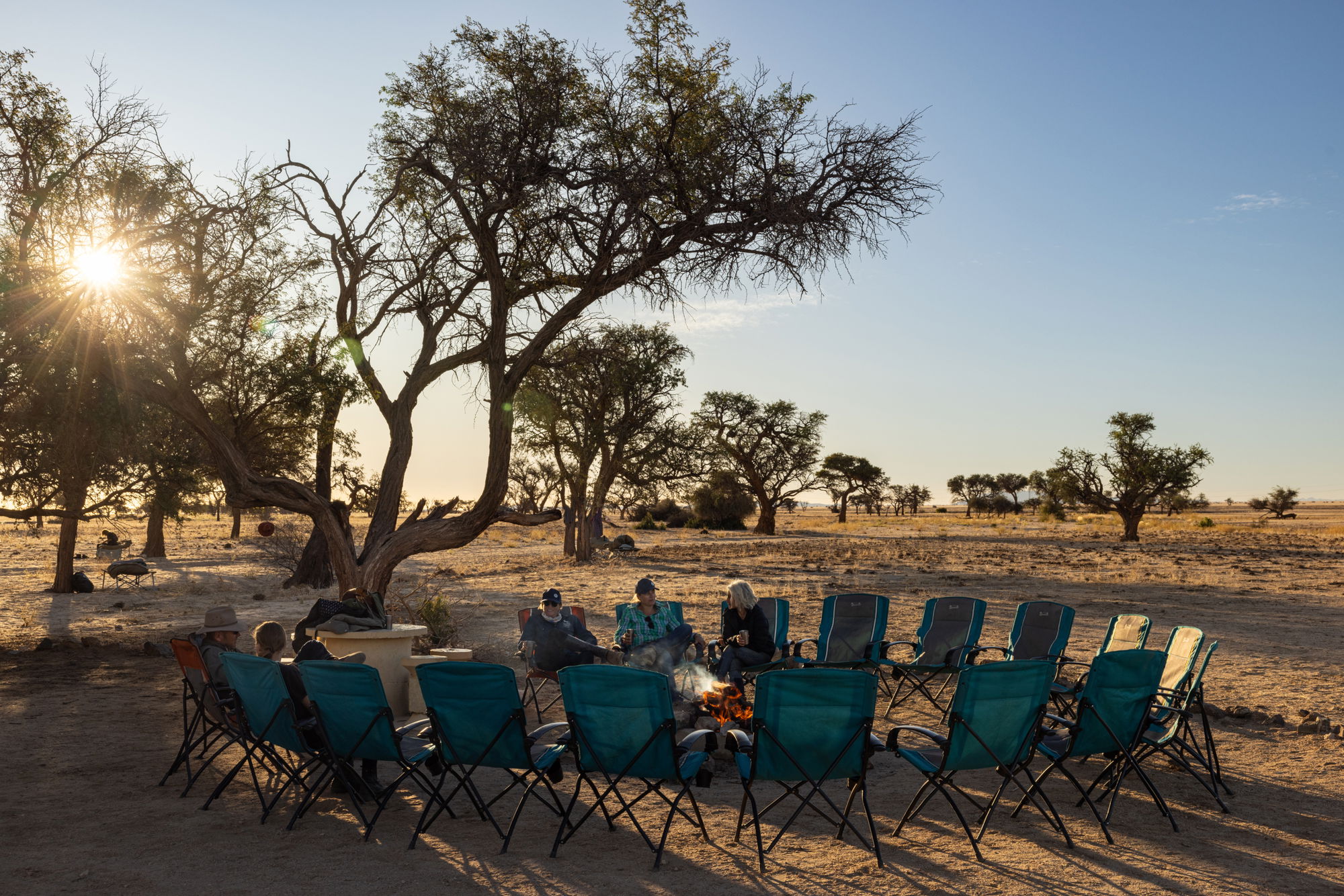
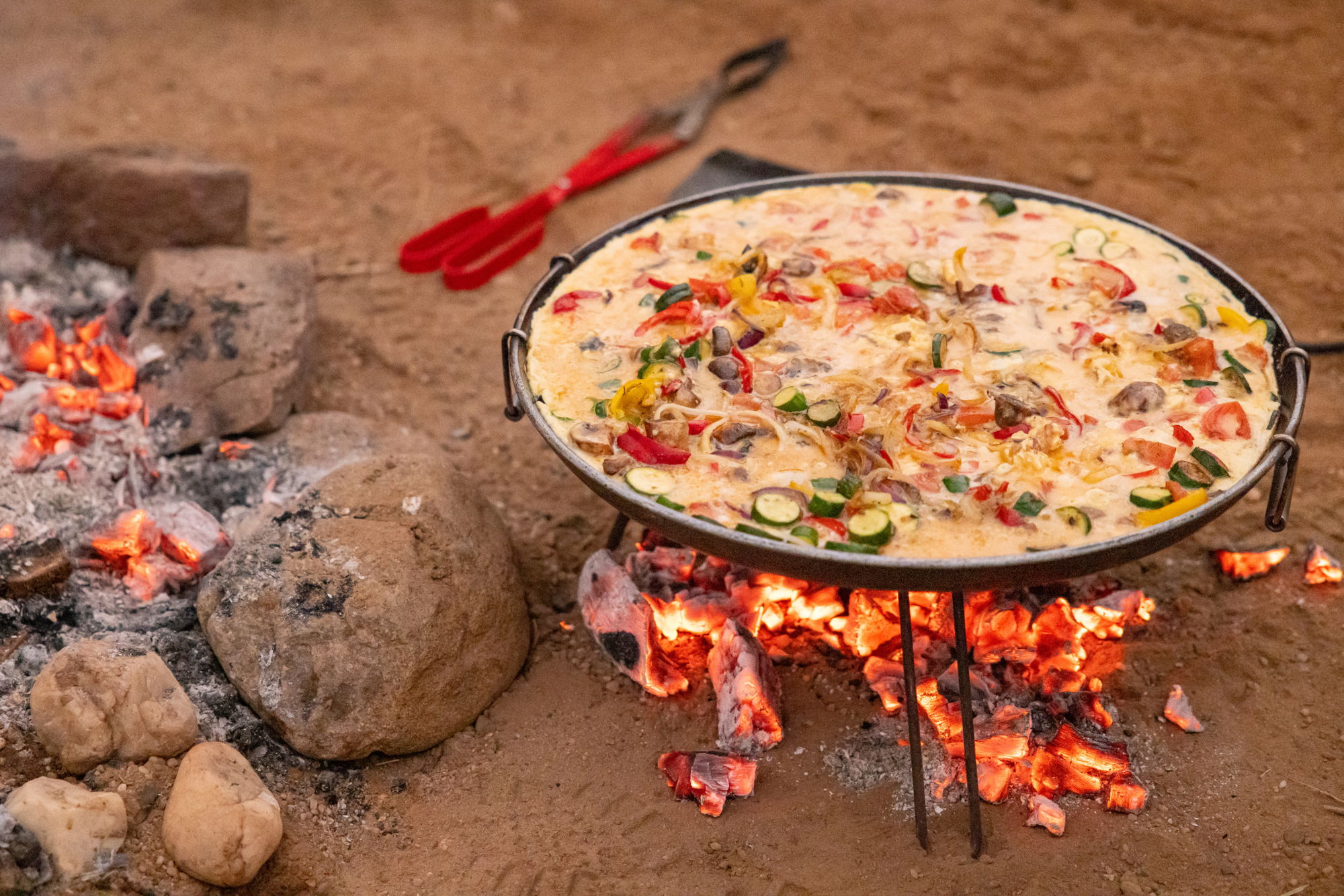
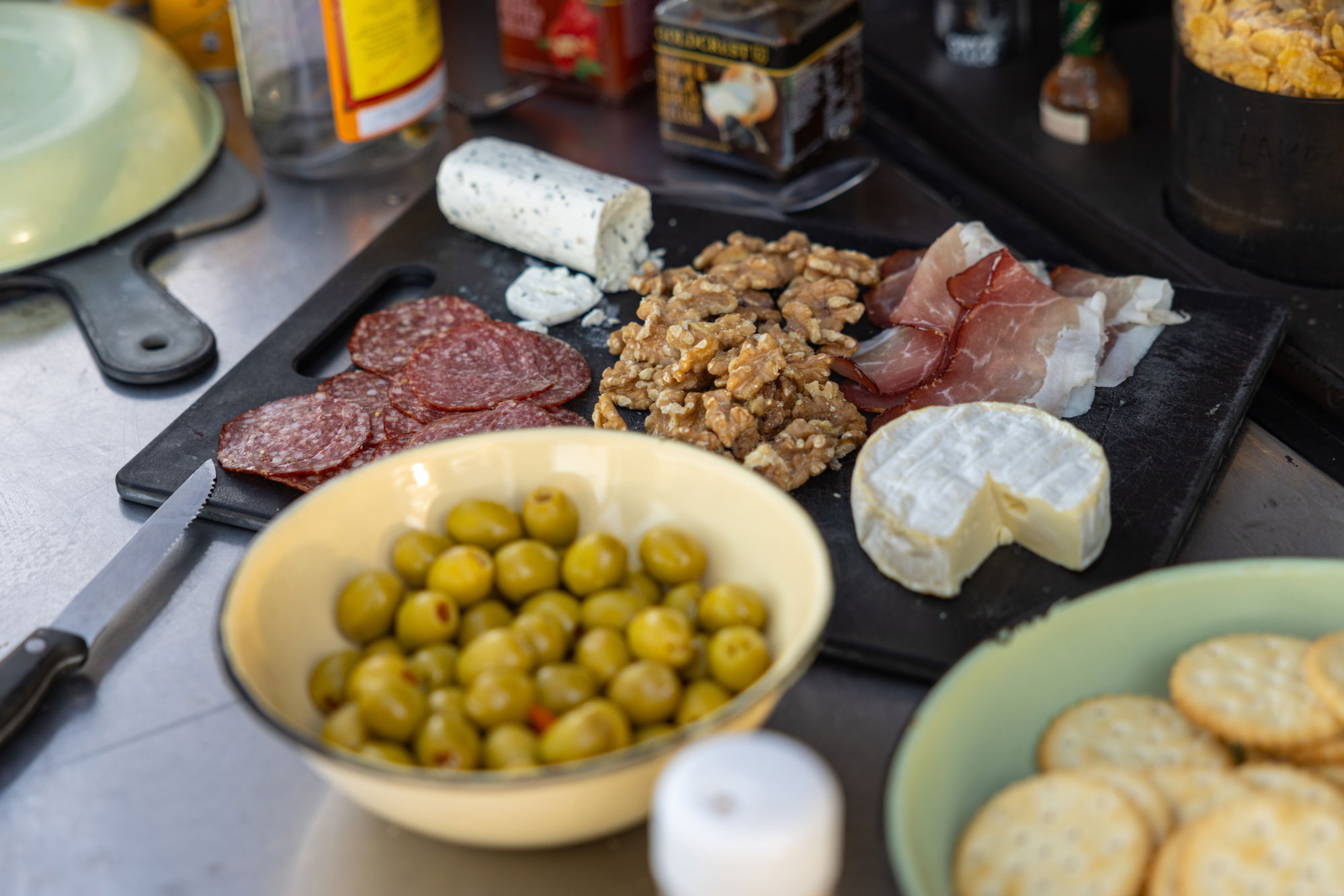
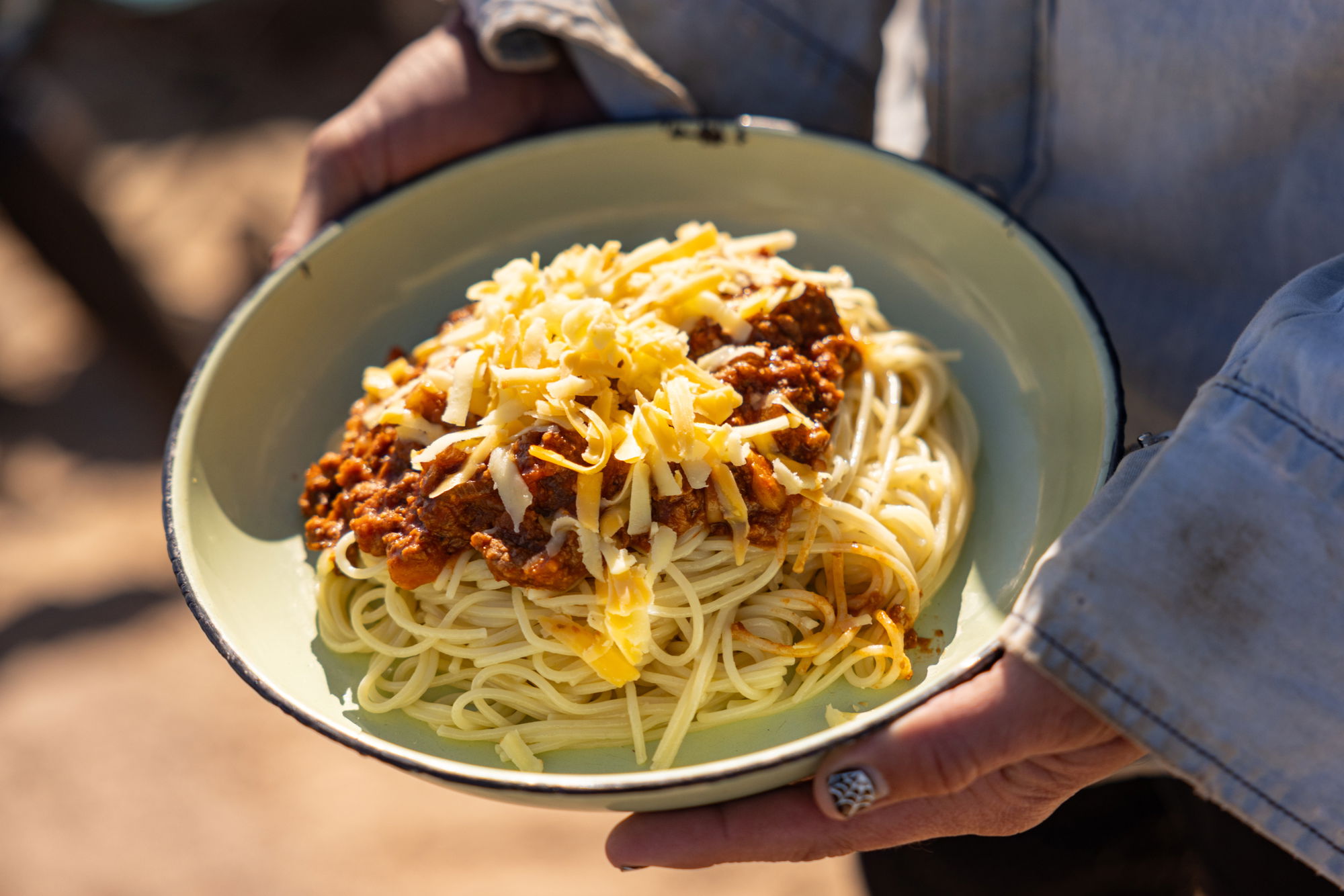
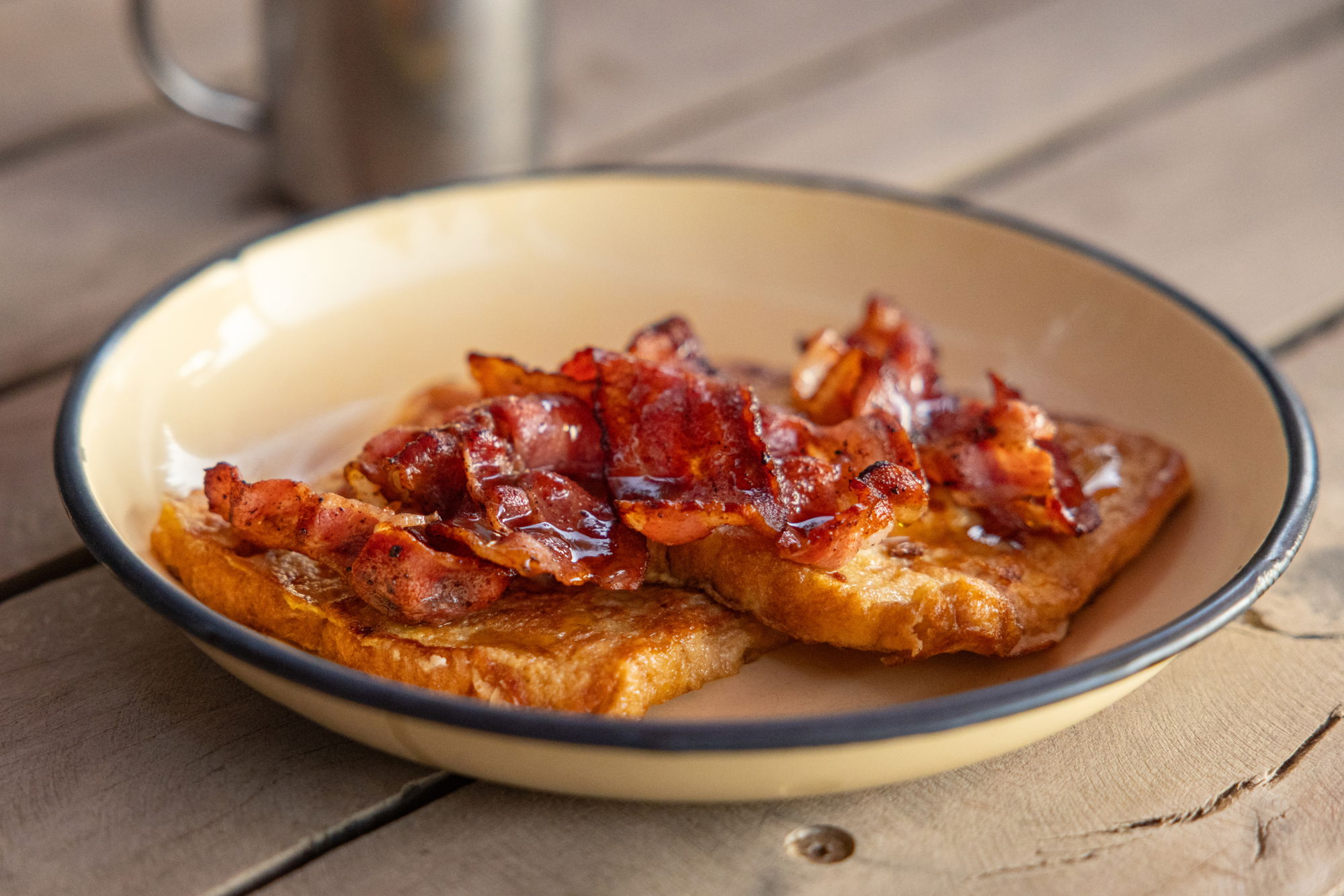
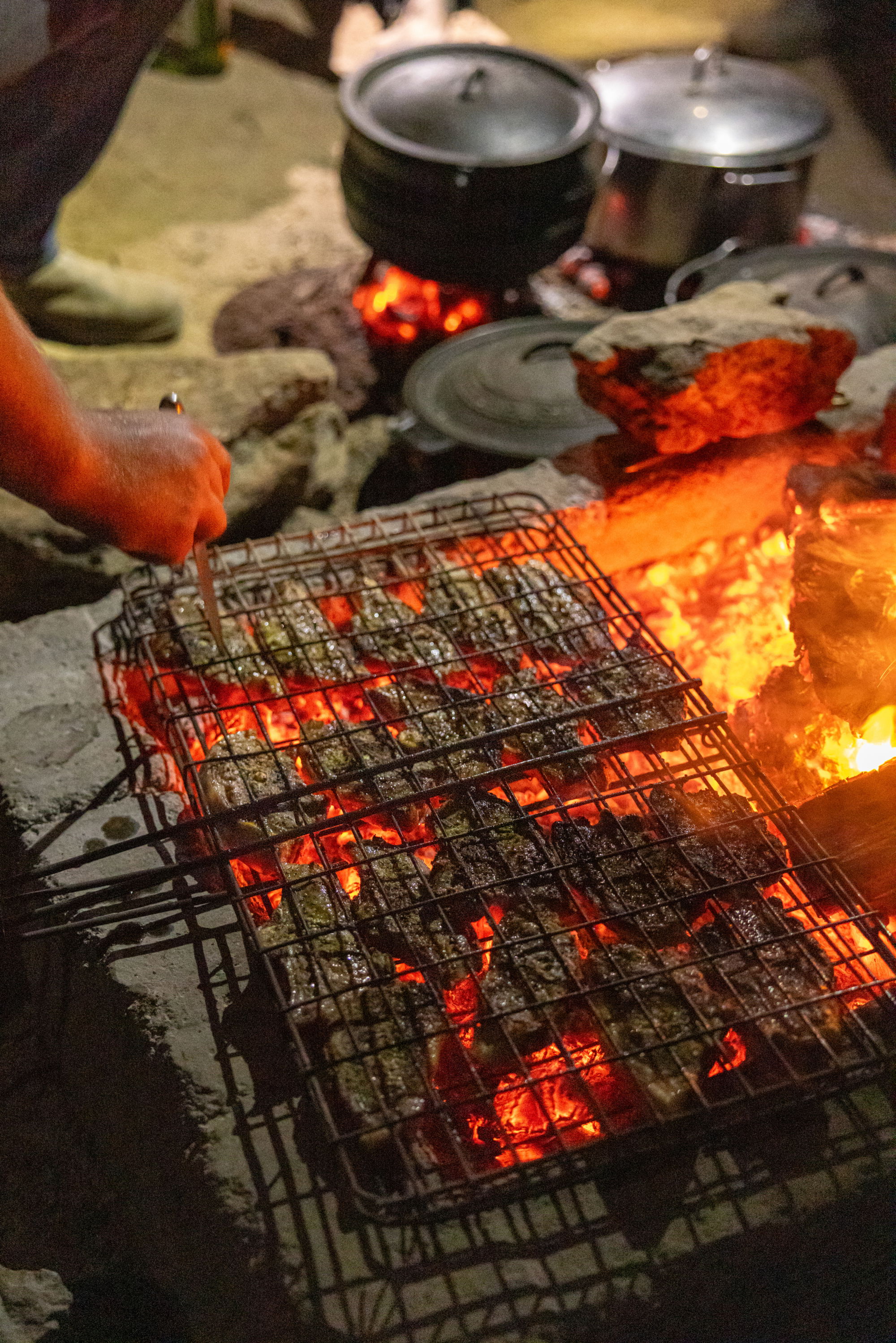
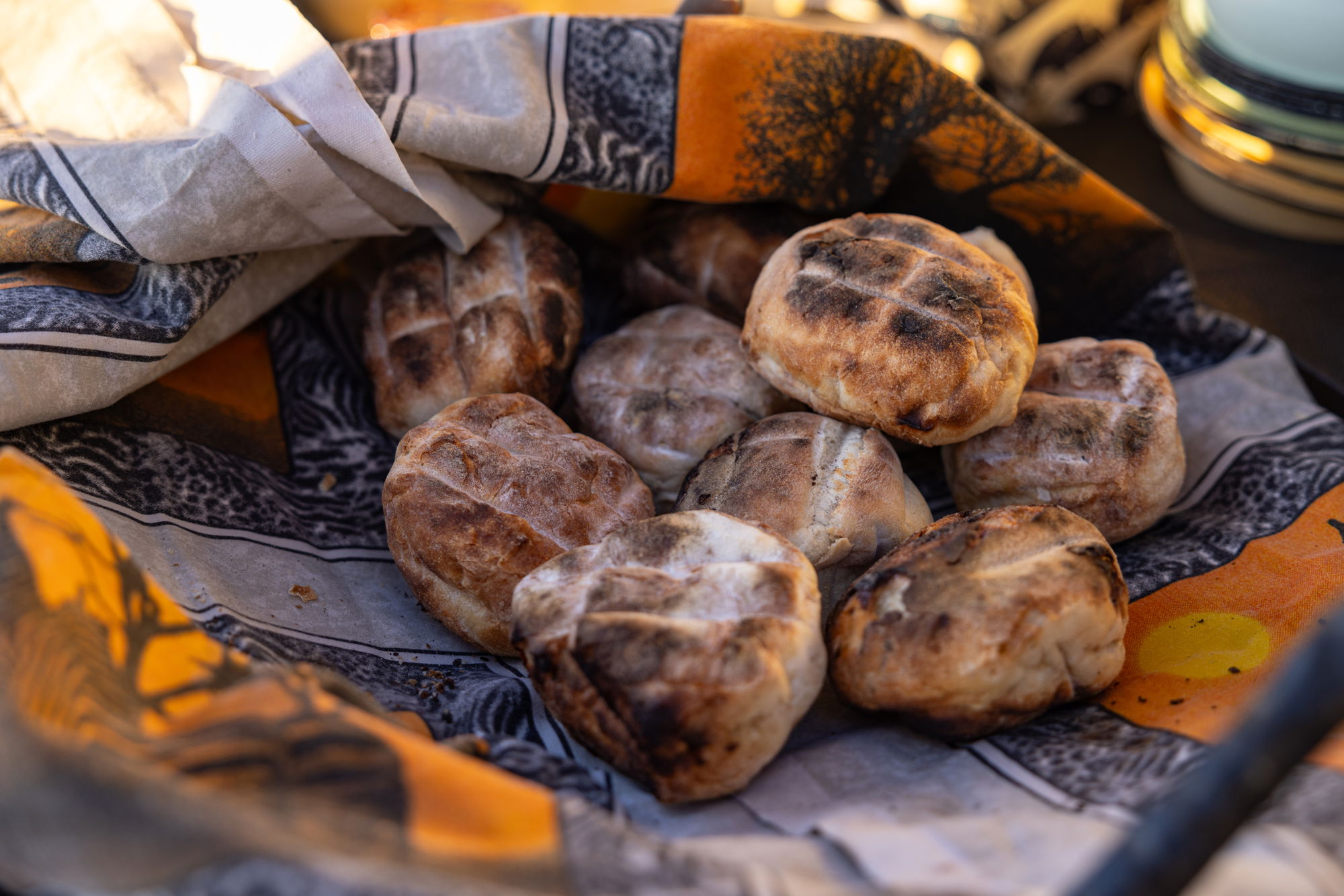
While on safari, breakfasts always include reliable staples such as cereal, muesli, toast and spreads, with occasional treats like Spanish omelettes, cold meats, eggs, bacon and porridge. Most days you’ll rendezvous with the support vehicles for a hearty lunch — anything from tuna salad and spaghetti bolognese to warm pita breads — and on the rare occasions you don’t, a tasty saddlebag sandwich will keep you going. Evenings are a highlight, with dinner cooked over the open campfire: generous helpings of traditional Namibian fare like barbecued game, beef, and rich braai or potjie casseroles. With a touch of German influence woven through the cuisine, everything pairs beautifully with local lagers and millet beers.
Reviews
Bernadette Kelly
29 rides with Globetrotting 
Kate Gordon
10 rides with Globetrotting 
Eszter H
4 rides with Globetrotting 
Sylvia K
2 rides with Globetrotting 
Lara Peake
15 rides with Globetrotting 
Desiree Charlesworth
Bronwyn Hill
What's my riding level?
Not sure what your riding level is? Watch our videos to see all our levels.
Beginner
Reasonably confident riding a horse at a walk, a rising trot, and learning to canter.
Intermediate
Confident and in control riding at all paces outside an arena, but not riding regularly. Comfortable and competent using aids {the language of your leg, seat and hands} to communicate with your horse.
Strong Intermediate
An intermediate rider who is currently riding regularly outside of an arena and is fit enough to ride for at least six hours per day. Strong intermediate riders are comfortable and competent in all three gaits; able to post or sit to the trot; have an independent seat while cantering (don’t hold onto the saddle); and can pick up the correct canter lead. They can also navigate more complex terrain, including asking a horse to sidestep and jump over a small obstacle.
Advanced
A frequent rider who is very fit, comfortable in the saddle for at least six hours per day, and has an independent seat and soft hands. Advanced riders are confident on a forward-moving horse at all paces over rough and variable ground on open terrain. They can ride over small jumps and know the techniques used to collect a horse
Not sure? Contact our team to help you figure out your riding ability.
Stories from the saddle
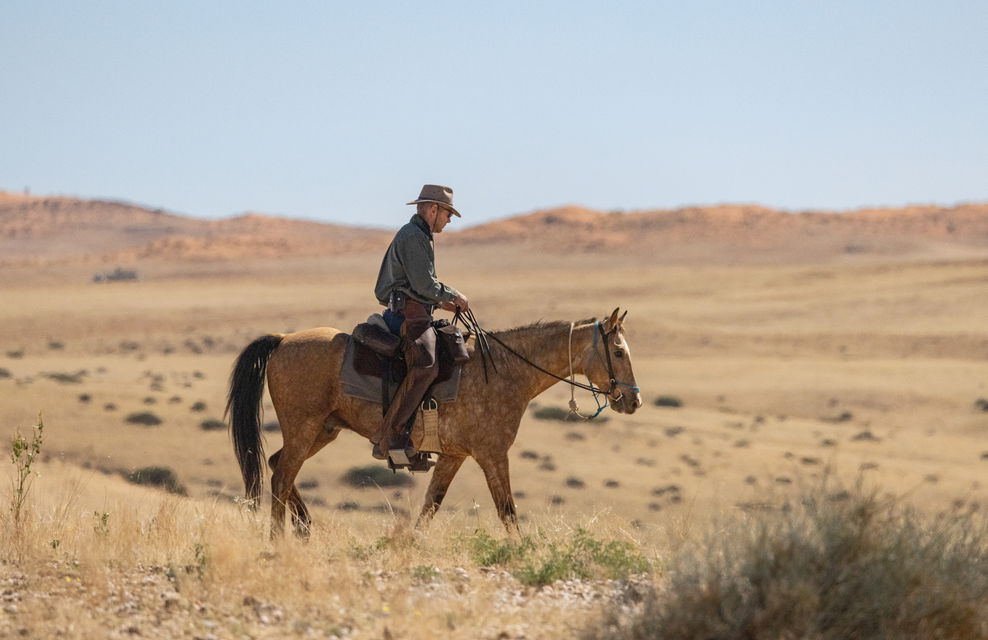
Meet Our Guide: Andrew Gilles
Andrew Gilles is the consummate professional behind our unforgettable Namib Desert horse riding holidays with Globetrotting. A natural adventurer at heart, Andrew’s passion for exploration and deep respect for the African wilderness led him to the one career that perfectly
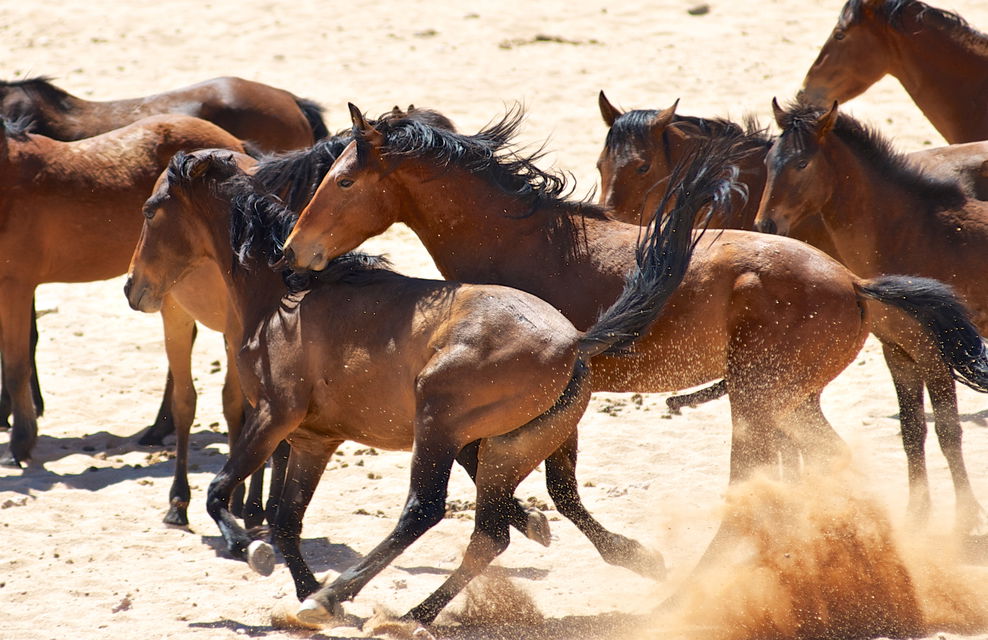
Horse Breed: Namib Desert Horse
Forged by heat, sand, and survival, the Namib Desert Horse — also known as the Namib Wild Horse — is one of the most extraordinary equine stories in the world. Found roaming free in the vast landscapes of Namibia, these
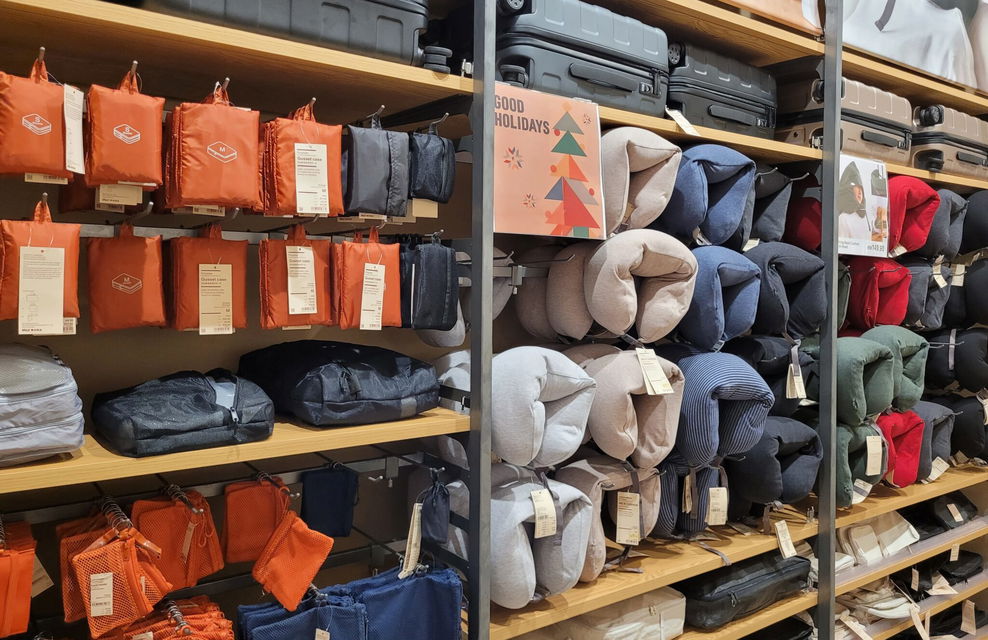
Best Travel Packing Cubes for a Globetrotting Ride
If you want to take the stress out of packing for your globetrotting adventure, making sure nothing is forgotten and that you can always find what you need when you need it, I’ve got a hot tip for you –
