
Why We Love Riding in Ponchos | Horse Riding Holidays
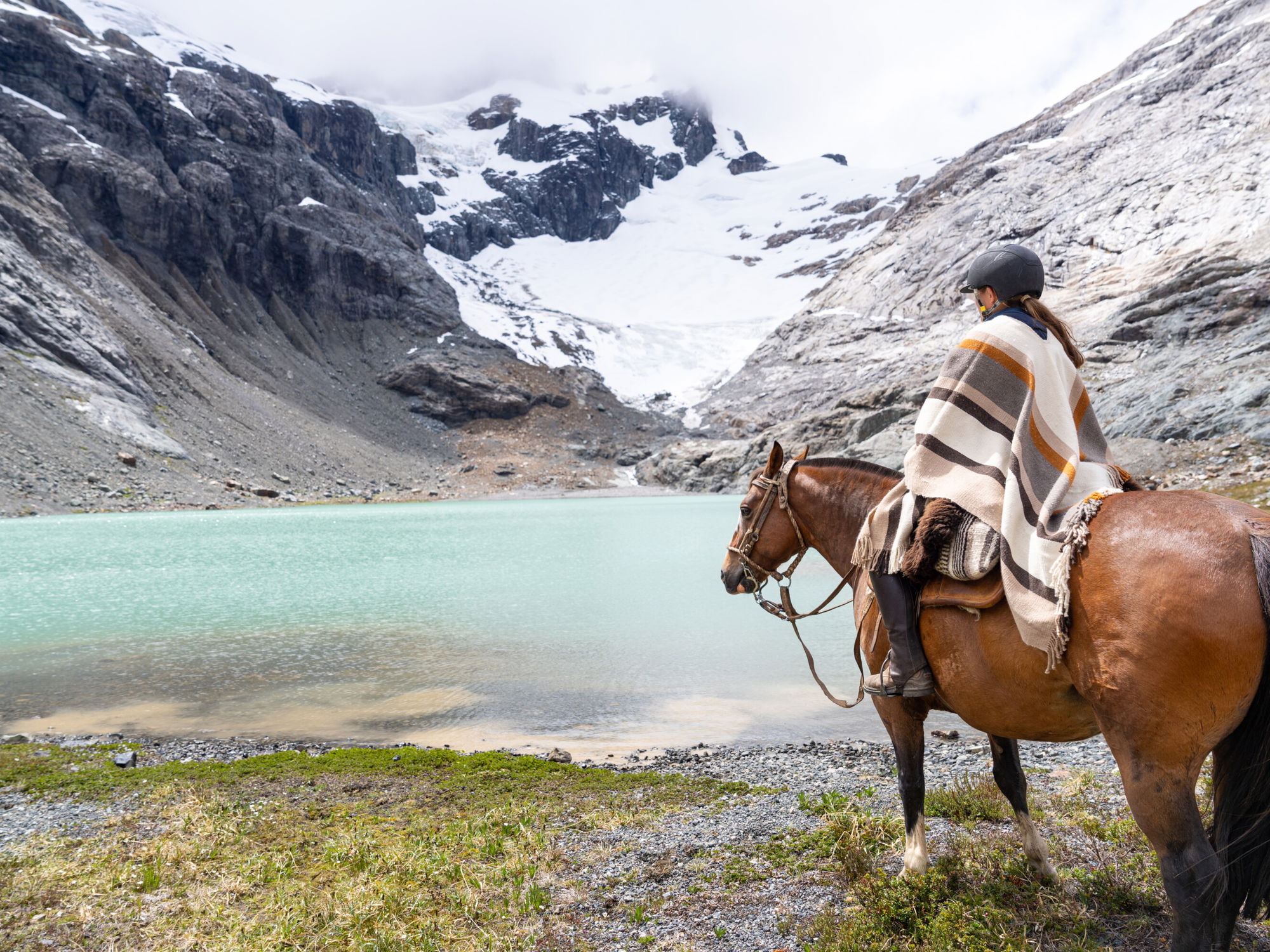
Have you ever ridden in a poncho? When I visit a new country I try to immerse myself in the horse culture choosing to ride in the traditional tack (even if a English saddle is available) and dress in the clothing that is inherent to that region. It makes sense that the horsemen have perfected their riding attire over generations based on the climate. This is why I choose to ride in a poncho when globetrotting through South America. I’m not familiar with the poncho’s history and if it originates from Chile or Argentina, needless to say its synonymous with South America and its horse people that navigate its terrain.
I first appreciated the poncho, which I might add is ridiculously simplistic – a blanket with a hole in the middle – when I was riding in Torres del Paine, Chile. This vast, remote country with cranky mountain ranges and deadly glaciers can be freezing in the summer months. I rode alongside the baqueanos, who are the pathfinders in these parts. Weather-beaten horsemen mounted on the stocky, trusty Criollo horse have been mustering sheep in these parts for generations. They work in hail, snow, sleet, rain, wind and sun, and their poncho is as essential as their horse.
So there I was – ice moustache, red nose, body shakes, dressed in my ridiculous new-age Gore-tex jacket being penetrated by the wind and rain. What a stupid gringo I was. Since that fateful trip where I was lucky to escape frostbite, I’ve had a woollen poncho strapped to my saddle ever since. A poncho makes sense, woven from the natural fibres of wool, taken from the sheep that inhabit this region. A poncho falls over your saddle, protecting your legs and arms from the rain.
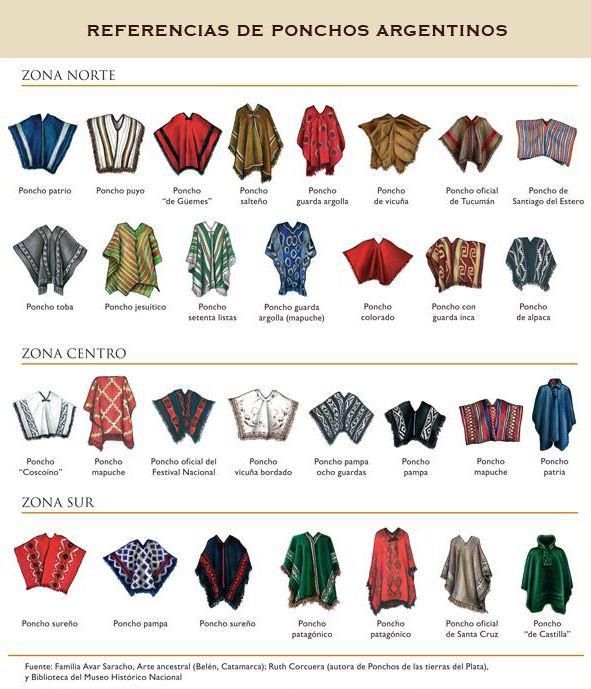
There are fifty billion types and styles of ponchos that you can purchase in Argentina and Chile. The region or province will dictate the fabric and style of the poncho, as you’ll see above.
Buy yourself one and you not only have an all-weather riding coat, but also a keepsake of your travels.
And just because I love a bullet point list, here are my favourite things about riding in a poncho:
- When you stop for your saddle-bag packed lunch you can use your poncho as a picnic blanket. Win-Win.
- At night when there is a blistering wind, you can spoon with your poncho for extra warmth.
- When the temperature rises you can easily roll up your poncho and strap it to your saddle. Lightweight and easy.
Are you sold on the humble poncho? I must say, I’m a big fan of the riding attire engineered by the uber stylish Argentineans. It’s worth mentioning if you’re booked on The Patagonia Trail, The Patagonia Glacier Ride or the Tierra del Fuego Ride in Argentina – ponchos are provided!
Discover more
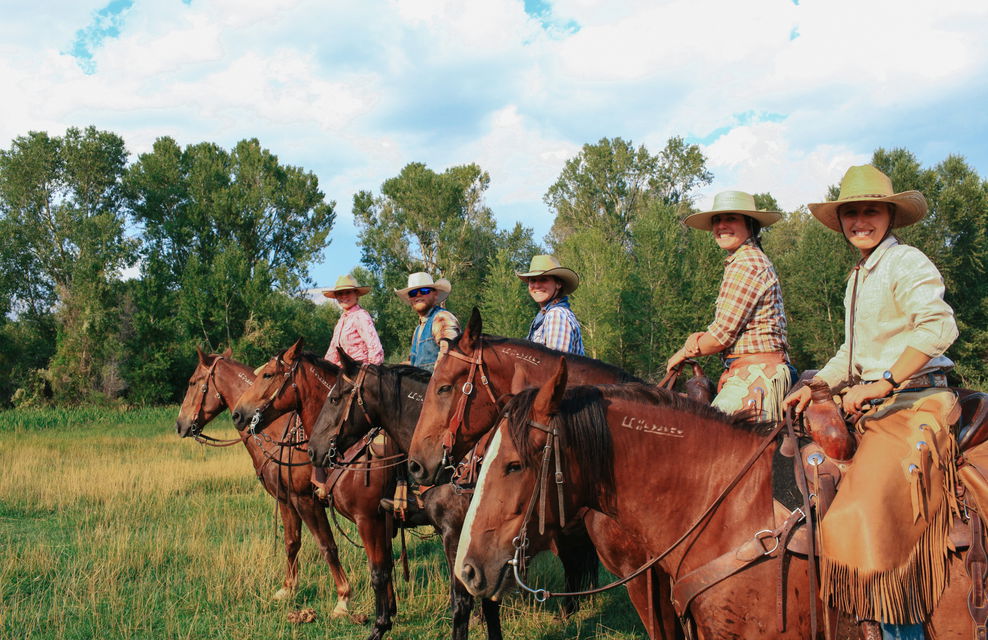
Horse Breed: Mustang
Few horses capture the spirit of the American West quite like the American Mustang. Descended from Spanish horses and shaped by life on the open range, the Mustang is known for its intelligence, stamina, and sure-footed nature. While often associated with wild herds roaming the western plains, these remarkable horses also make exceptional partners on…
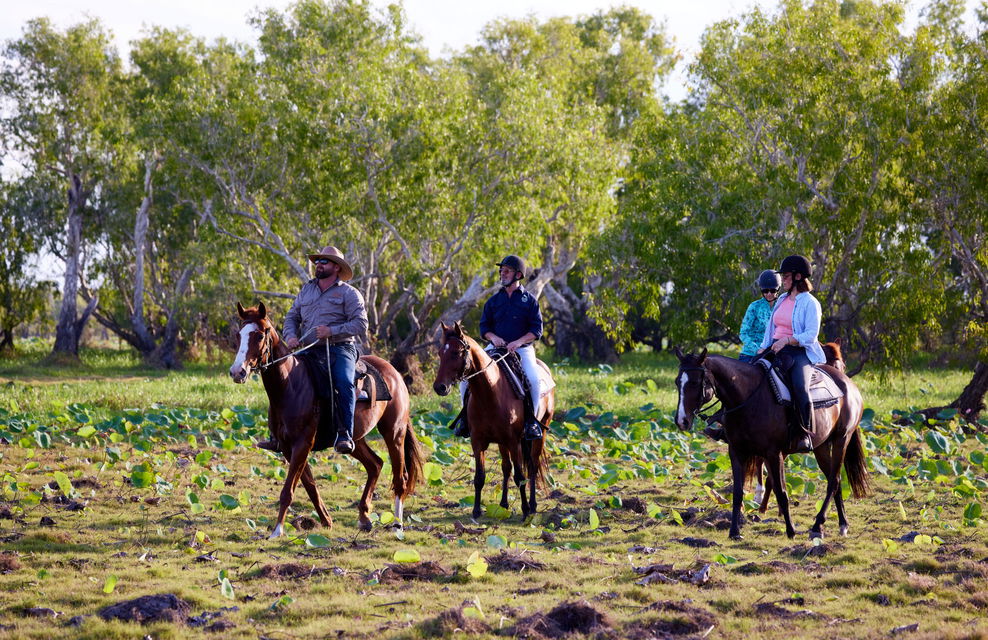
Horse Breed: Australian Stock Horse
Name of breed: Australian Stock Horse Country of origin: Australia Breed origin: The roots of the Australian Stock Horse date back to the arrival of the First Fleet in 1788, which brought nine horses of Thoroughbred and Spanish blood to the continent. These were shortly followed by more importations of Thoroughbreds, Arabians, Welsh Mountain Ponies…
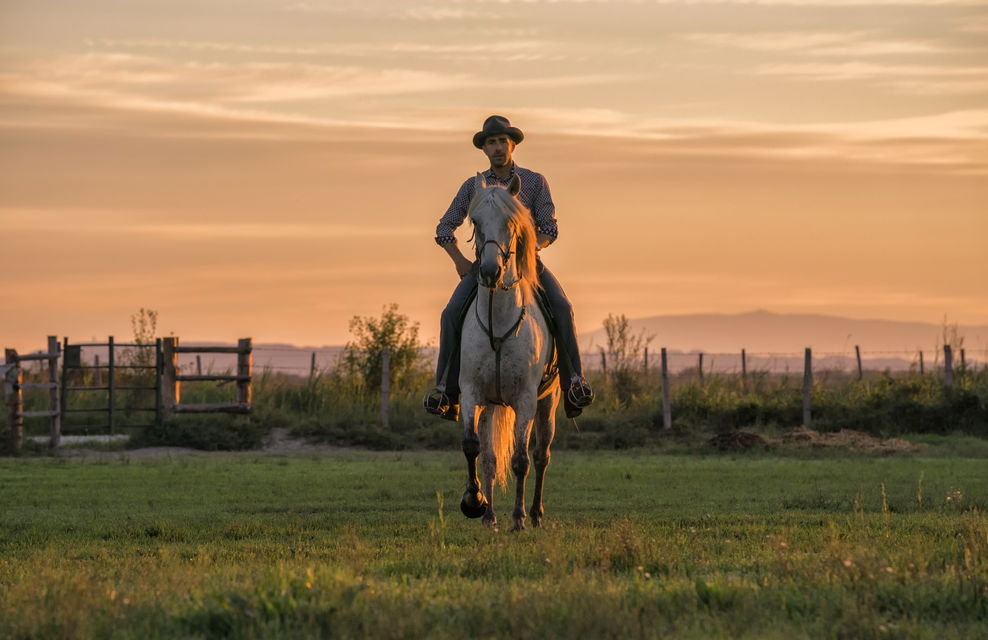
Horse Breed: Camargue
Name of breed: Camargue. Country of origin: The Camargue region in France. Breed origin: The Camargue horse’s origins remain relatively unknown, although it is generally considered one of the oldest breeds of horse in the world. For centuries, possibly thousands of years, these small horses have lived wild in the harsh environment of the Camargue marshes and…
